Chiapas Support Committee
Home of the Compañero Manuel blog on zapatistas & mexico
José Luis and César sentenced to 2 years in prison for defending their territory from militarization
This is one of several events that occurred during the El Sur Resiste | The South Resists Caravan and International Gathering and, thus delayed our reporting.
By: Yessica Morales
Both human rights defenders were repressed by state police, tortured and held incommunicado. In addition, eleven more people were injured during the peaceful demonstration.
Last April 24, 2023, began the oral trial of César Hernández Feliciano and José luis Gutiérrez Hernández, arrested October 15, 2020, for a peaceful demonstration against the construction of the National Guard (GN) barracks in San Sebastián Bachajón.
During the development of the different hearings, they tried to demonstrate the lack of solid elements to prove the crime of mutiny (rioting) for which the State Attorney General’s Office (FGE) of Chiapas has accused them since 2020.
In addition, the witnesses presented did not prove that they belonged to the State Police or their participation during the events of the October 15, 2020 protest, when the Ejidos of San Sebastián Bachajón and San Jerónimo Bachajón opposed the construction of a GN barracks in their indigenous territory without having been consulted beforehand.
Similarly, the Prosecutor’s Office did not demonstrate the quality of experts and legal experts in their field within the investigation that supported the proving of the elements of the case against the community defenders.
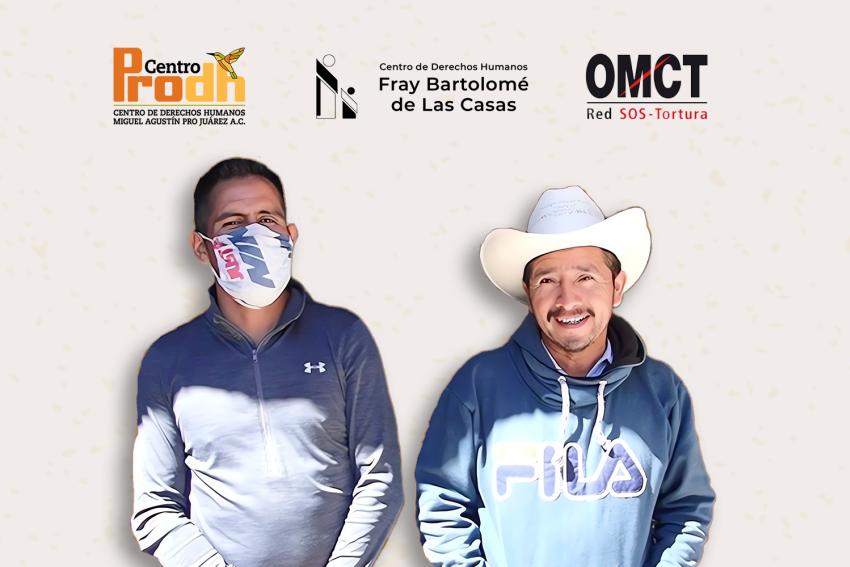
For this reason, the Miguel Agustín Pro Juárez Human Rights Center A.C. (Centro Prodh), the Fray Bartolomé de Las Casas Human Rights Center (Frayba) and the World Organization Against Torture (OMCT),expressed their solidarity and regretted the decision of Agustín López Martínez, Trial Judge of Region Three, of the Judicial District of Ocosingo.
The judge, for having issued a conviction and 2-year prison sentence that criminalizes the defense of land and territory to the detriment of the rights to autonomy and self-determination of indigenous peoples.
We call on the Government of the State of Chiapas to stop the criminalization and judicialization of human rights and life defenders, the organizations said.
Liberty and Justice
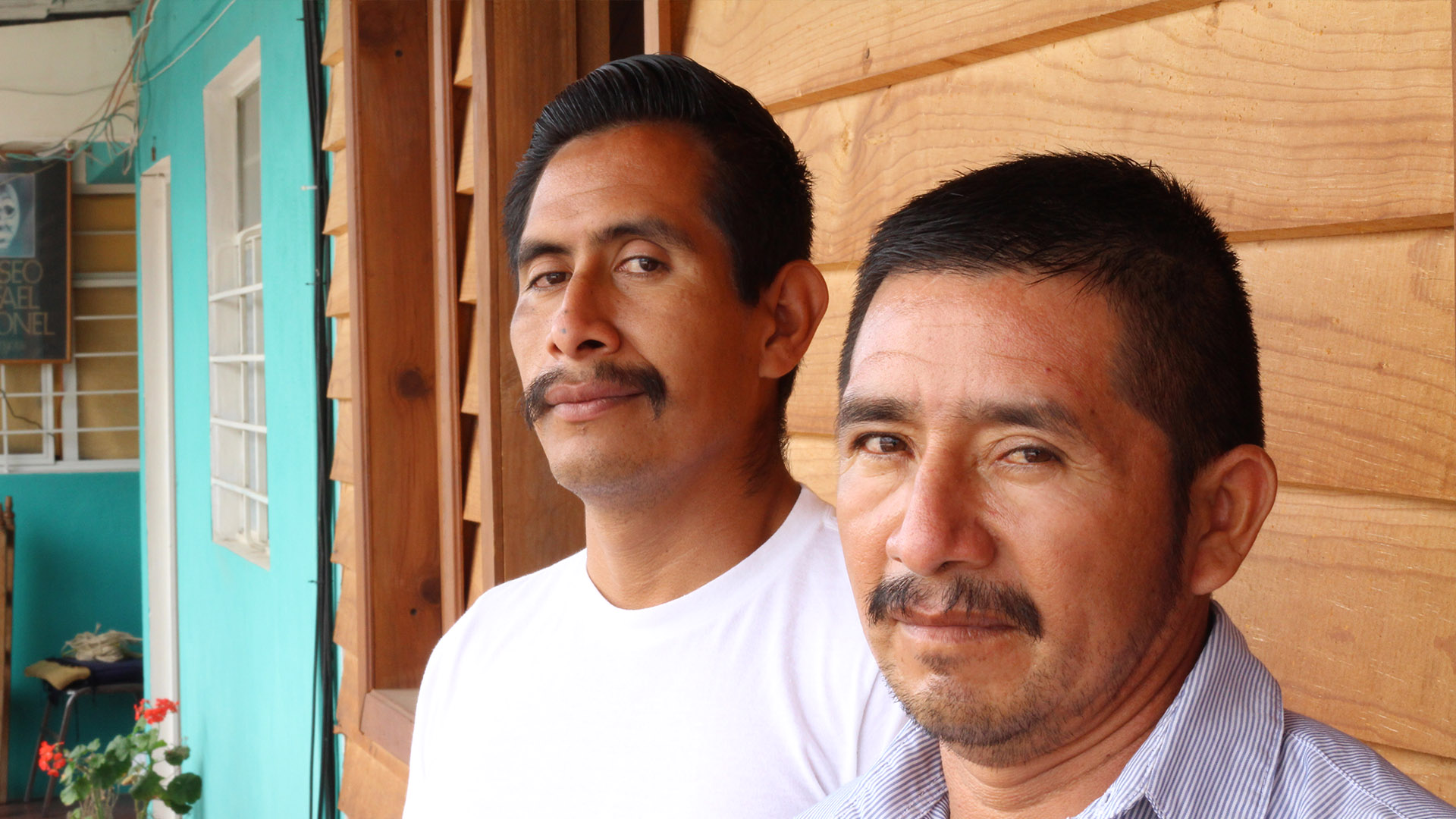
It should be recalled that on April 20, the Organization “Families United against torture and in defense of human rights“, requested support from state, national and international solidarity, human rights organizations, civil society, media and journalists, to continue demonstrating in favor of both defenders and against the perpetration of human rights violations that the Mexican State has caused them and the situation of supposed justice that occurs in Chiapas, with the permissibility of torture and fabrication of guilt.
Likewise, they mentioned that the two Tseltals faced the process under conditional freedom since 2020: which has caused a rupture of the family fabric. In addition to this, the imprisonment in Chilón has caused the families suffering, expenses to go to sign in at the Ocosingo Court for more than 2 years, where they have had to sell the fruits of their labor, such as corn and beans, [to pay for transportation].
Finally, they asked civil society, human rights and national and international solidarity organizations, media and journalists to pronounce on this case. In addition, they demanded that the Judiciary of the State of Chiapas be an entity that respects human rights of defenders.

Originally Published in Spanish by Chiapas Paralelo, Thursday, May 4, 2023, https://www.chiapasparalelo.com/noticias/chiapas/2023/05/dictan-sentencia-condenatoria-a-mayas-tseltales-por-defender-su-territorio-de-la-militarizacion/ and Re-Published with English interpretation by the Chiapas Support Committee
El Sur Resiste 2023 International Gathering begins in Chiapas, Mexico
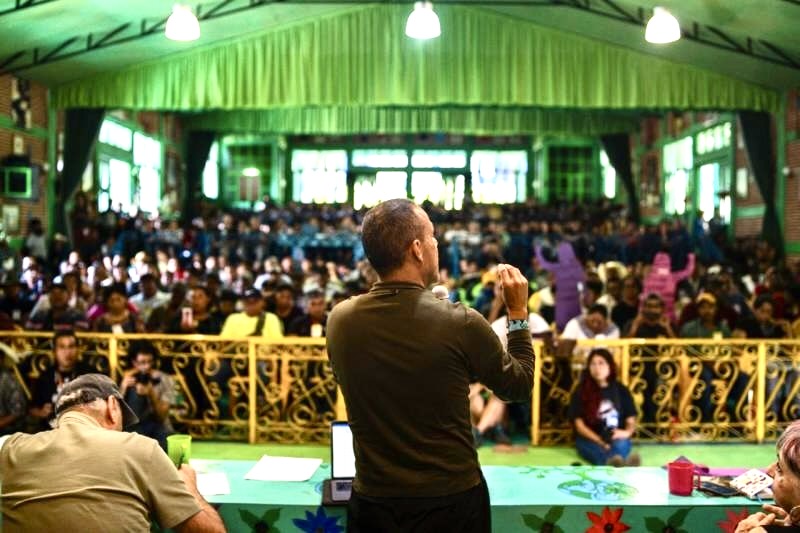
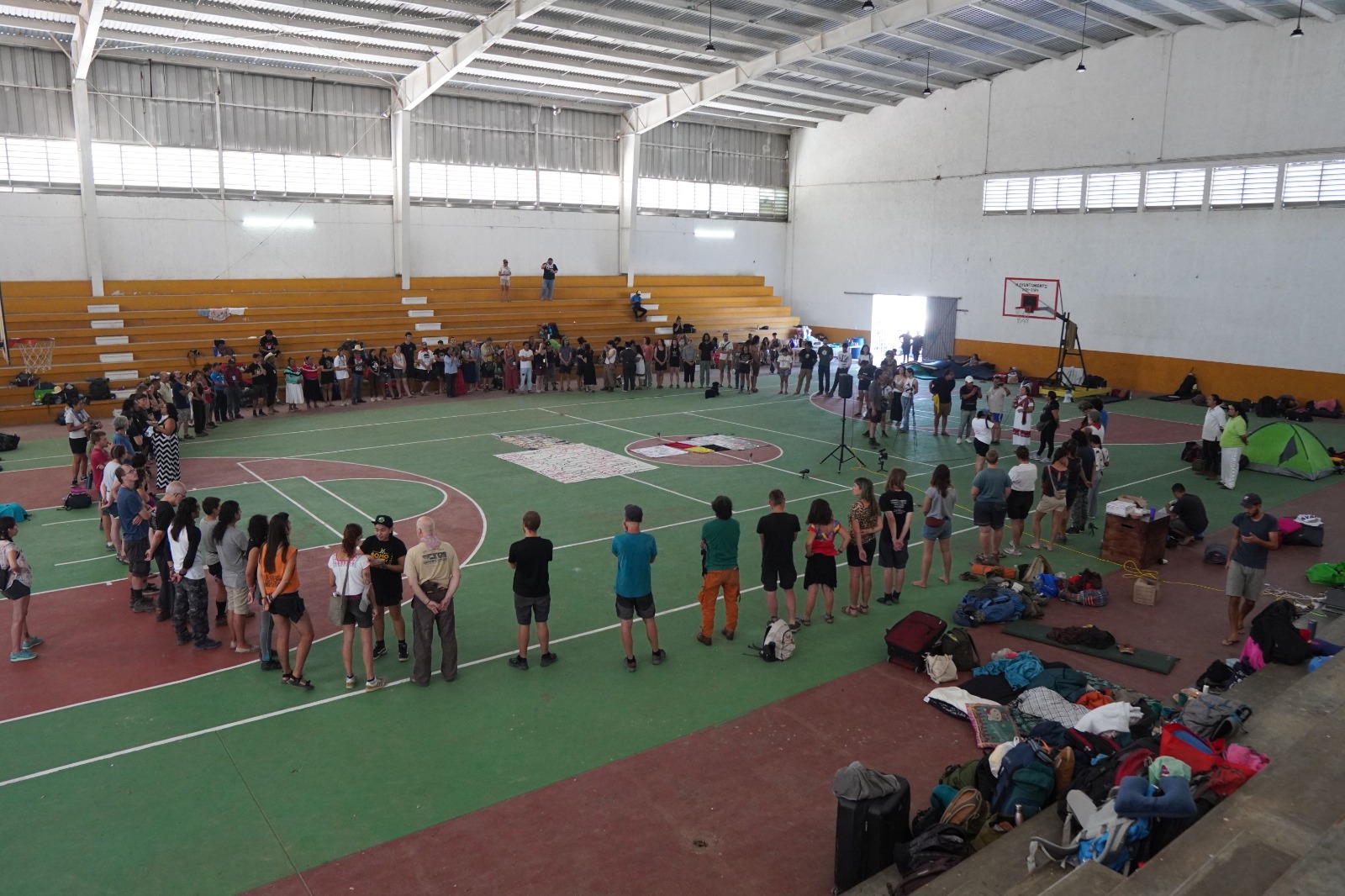
The “El Sur Resiste | The South Resists 2023” International Gathering began Saturday, May 6 in the CIDECI, University of the Earth Chiapas, where more than 700 people have met in order to make visible the dispossession of territories nationally and globally by capitalist and extractive companies and projects; the violence experienced by Indigenous Peoples, women, children as a result of wars and the violence of organized crime; and the imposition of environmentally destructive megaprojects around the world.
Members of the Indigenous Peoples, Bari; Cabécares; Chamula; Chanal; Chol; Chontal; Lenka; Masewal Maya; Peninsular Maya; Misak; Fish trap; Ayuuk; Mixtec; Nahua; Nuntayi; Ñuu Savi; Otomi; Tzotzil; Bribi; Tiouka; Tojolabal; Totonac; Zoque; Zapotec; among others, attended the gathering.
People from different countries such as El Salvador, Costa Rica, Colombia, Chile, United States, Guatemala, Honduras, Puerto Rico, Brazil, Cyprus, Bolivia, Cuba, Ecuador, Italy, France, Finland, Switzerland, Greece, Honduras, Germany Kurdistan, United Kingdom, Venezuela, and presence of collectives and organizations throughout the Mexican territory including Mexico City, Puebla, Morelos, Guerrero, Querétaro, Chiapas, Oaxaca, Veracruz, Tabasco, Campeche, Yucatán, Quintana Roo, Estado de México, among others, also attended.
The meeting began with a summary of some of the most important effects on the territories of the Indigenous Peoples that have been identified during the El Sur Resiste | The South Resists Caravan and the meetings to take stock of them, including:
1. Penetration of drug trafficking and organized crime in all the territories.
2. Recruitment of young people and children by organized crime groups.
3. Agrarian authorities and ejido members who do not have the vision of protecting and caring for the land.
4. Assistance programs such as Sembrando vida and pensions for the elderly that divide community organization.
5. Deterioration of land by monocultures, fumigation and contaminated bodies of water.
6. Water is destined for big companies and not for the communities.
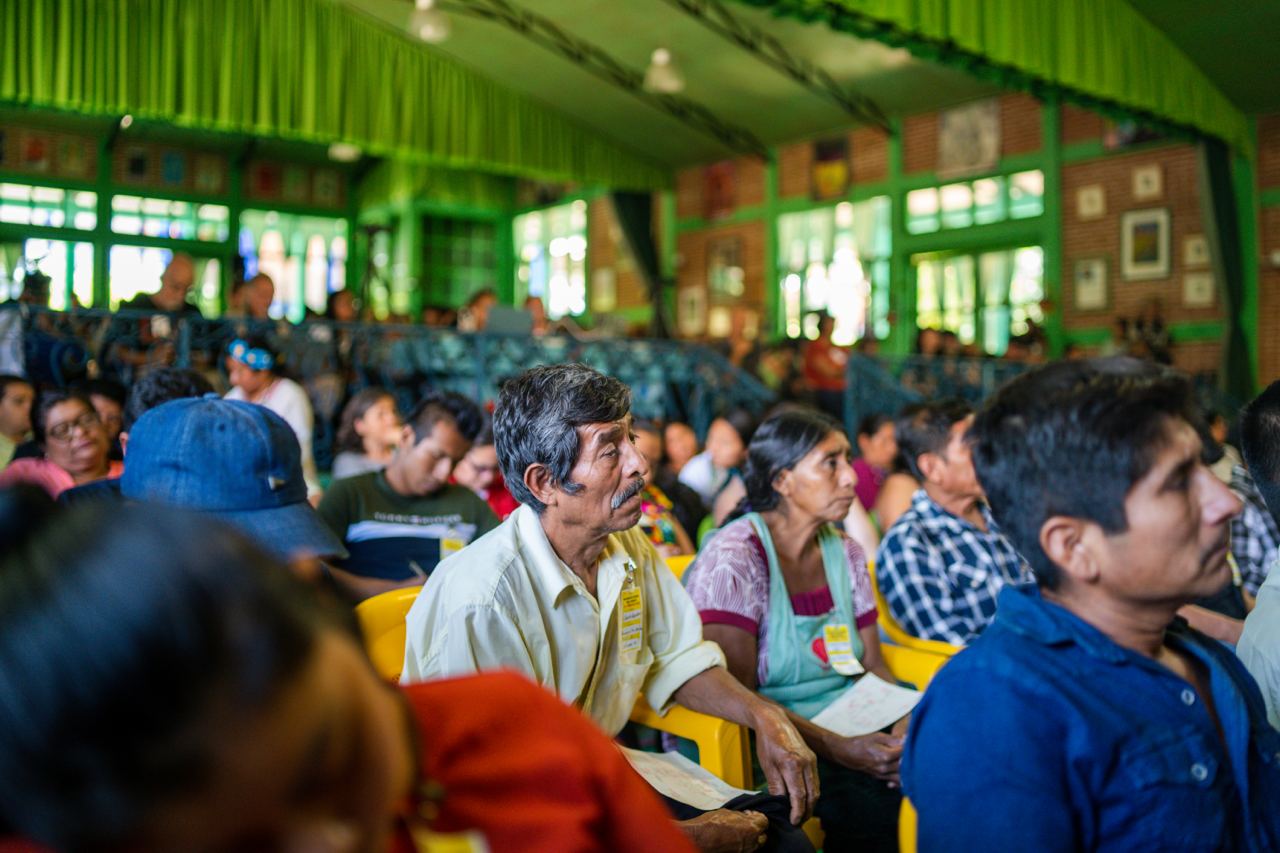
They identified the kinds of victories that have been achieved through organization among the Peoples and collectivities that must be strengthened to continue the defense of life, these types of actions include:
1. Gatherings among peoples and the hope of walking together
2. Recovering land and bringing down megaprojects
3. The struggle of women in all territories
4. Direct actions such as breaking pipes, seizing plants, legal processes and injunctions won
5. Recovery of traditional plants
6. Networks between caracoles, adherents and organizations in support of the EZLN.
7. Autonomous schools and other spaces that strengthen the processes of autonomy.
The meeting continued with presentations by comrades who have accompanied and are part of struggles for autonomy, life, justice and freedom for years. Here we include short summaries of the shared presentations.
Raúl Zibechi
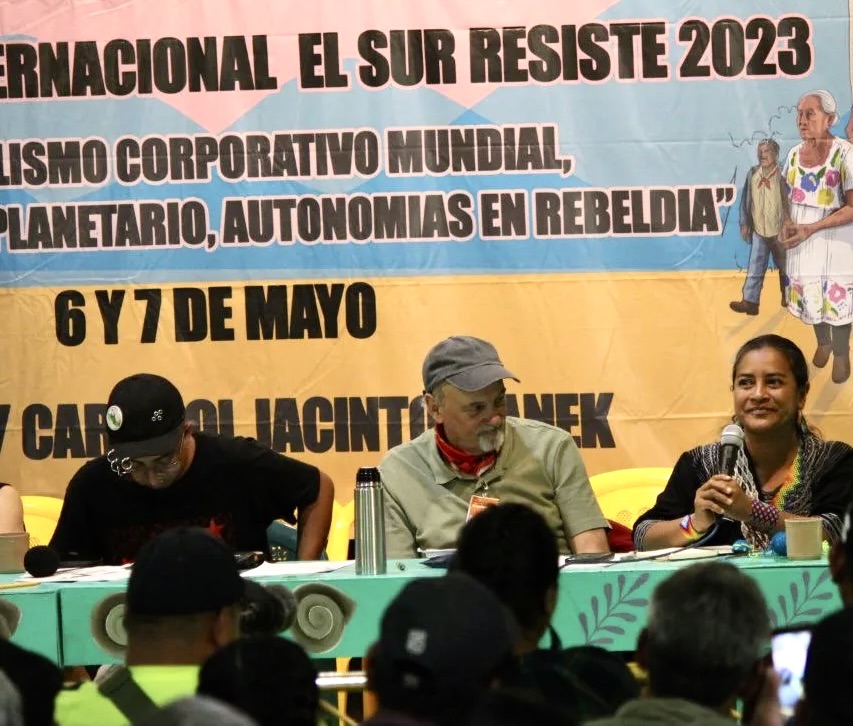
“We experience wars of dispossession, it has been revealed that 4 out of every 10 hectares are not in the hands of the oligarchy or big capital, as in Brazil that these lands belong to agrarian lands, lands in the hands of black communities, natural parks and conservation, as well as small and medium campesinos.
These are the lands in which capital is advancing, the dispossession still has a long way to go. The war for dispossession is just beginning. Today, capitalism cannot live without wars of dispossession, it cannot act without wars with violence, that is, without murdering, disappearing, displacing.
Another factor of this new present is that every government, including progressive left-wing governments, supports militarization. This is a pattern that came to stay, as in Mexico with López Obrador, as the progressive government in Argentina where extractive projects were militarized, as in Chile in the Walmapu in Mapuche territory that today there are more military than during the neoliberal governments there could even be the same number as in the Pinochet dictatorship. The analysis of the EZLN in the 4th world war made 20 years ago is more than true: we are in a war of dispossession to obtain territories for big capital.
Also, we have to look at drug trafficking as the perfect symbol of capital, what it represents: dispossession through violence, accumulation of capital. It is very difficult to draw a line on drug trafficking and power because there is an alliance between these drug trafficking groups, the oligarchies, and big business.
Faced with this panorama of dispossession, we must also recognize that there is a pattern of growth and multiplication of the Autonomies throughout Latin America. Autonomy has felt like a common goal For many peoples; this is a victory, giant steps. A common sense of the peoples, and also very rich in diversity and forms, based on their traditional ways and what they can create.
These models of autonomy also have this characteristic pillar of self-defense as a fundamental tool. Many defend themselves with community guards, others with balaclavas, others with ski masks, or with bandanas.
Finally, spirituality must be recognized as a fundamental element that sustains resistance; Spirituality is talking about women and that link of woman-life-mother- earth. Spirituality is what allows us to sustain ourselves for a long time in these struggles that have no end, because they are an eternal circle, without objectives of taking power; Spirituality around there, is a pillar to follow.”
Vilma Rocío Almendra Quiguanás from the Cauca, Colombia
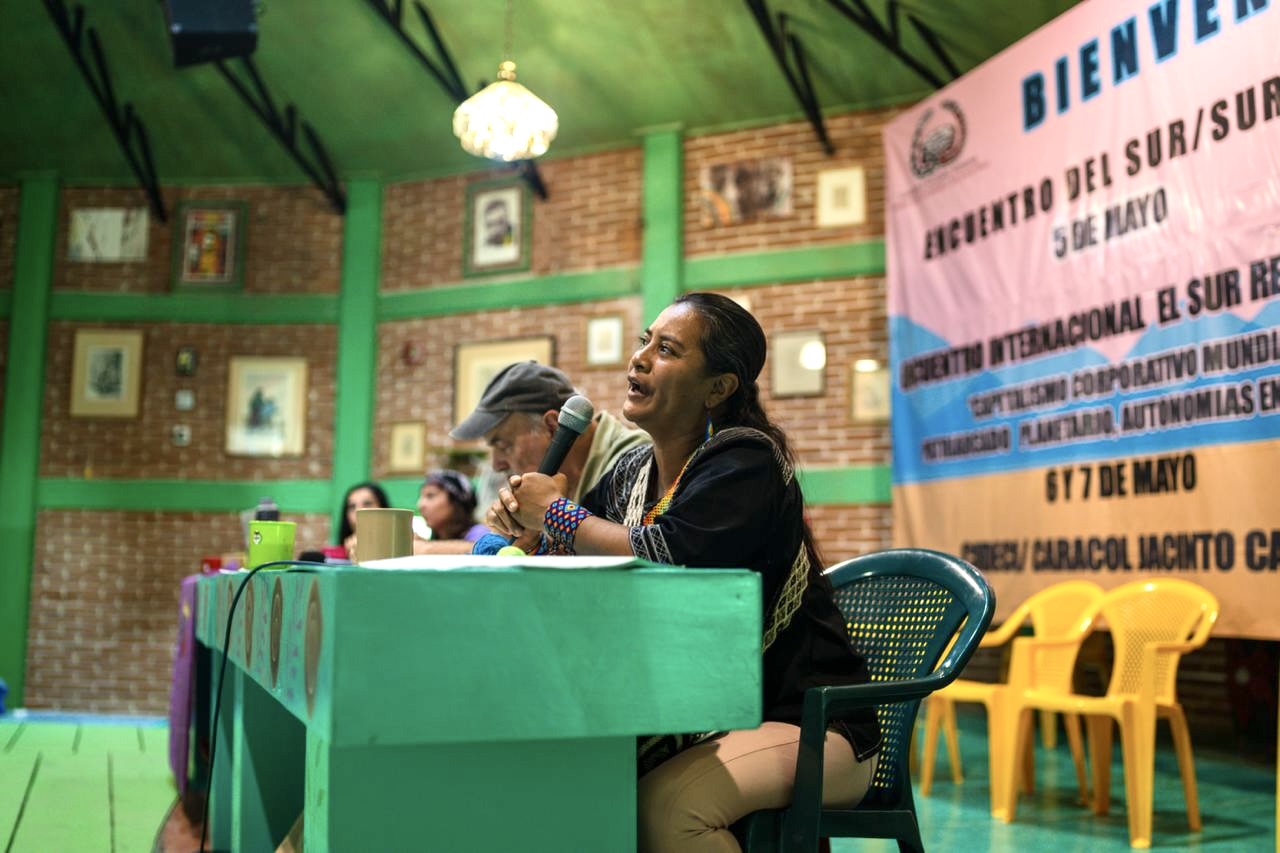
“Everywhere it’s difficult, in all the nation-states where they wanted to crush those who inhabited us, they wanted to tear away everything beautiful like spirituality.
We are critical of peace processes if they come from those who live from power, from those who have the weapons. What we said before those agreements were signed is that this was a neoliberal peace, a peace with capital that was going to allow us to enter our territories.
They deceived us with those promises of peace, while they continue to kill those who defend everything, land, water, and territory.
They have killed thousands of compañeros, the most rebellious, the most revolutionary people, they have killed those who truly believe in Mother Earth, people who know how to read birds, who know how to be in contact with the wind. The people who continue to kill are not the most visible people who are negotiating, it is those who put their chests in the territories.
It must be said that the Regional Indigenous Council of Cauca, until 2009 was the indigenous movement best known for its resistance, for its way of questioning the state. The largest Mingas became up to 80,000 people marching to Bogotá, thousands of comrades who are willing to die for the territories.
Until those years, 2008-2009 we had territorial control of Cauca, the government saw the strength of the resistance and said, “we have to break it,” that’s where this cancer that is drug trafficking began to enter the communities.
They began to co-opt leaders; today, the authorities no longer have control of the territory, the armed actors have control. They have killed 10 Indigenous authorities in the last 3 years. We see the recruitment of our youth and children who fall prey to easy money because the state structure impoverishes you.
What do young people prefer? 7 dollars as a day laborer for 10 hours of work picking coffee, or thousands of pesos for being with these drug trafficking groups: they give you a motorcycle, they give you a cell phone, they pay you well, you just have to kill and kill your own.
But it must be made clear, the narco-paramilitary states are the ones that take all the profits, this death suits them; on the other hand, those who recruit are the most enslaved and the most murdered within these crime and drug trafficking groups.
She concluded with that there are very beautiful things, such as flowers that break the cement, in Cauca we have managed to liberate mother earth, sow with the cycles of the moon, sow everything organic, we have achieved non-patriarchal, colonial, and non-state relations. If we achieve this relationship with the land, we also achieve it with the daughter, with the son, with the compañera, with the compañero.”
Dilda – Women of Kurdistan
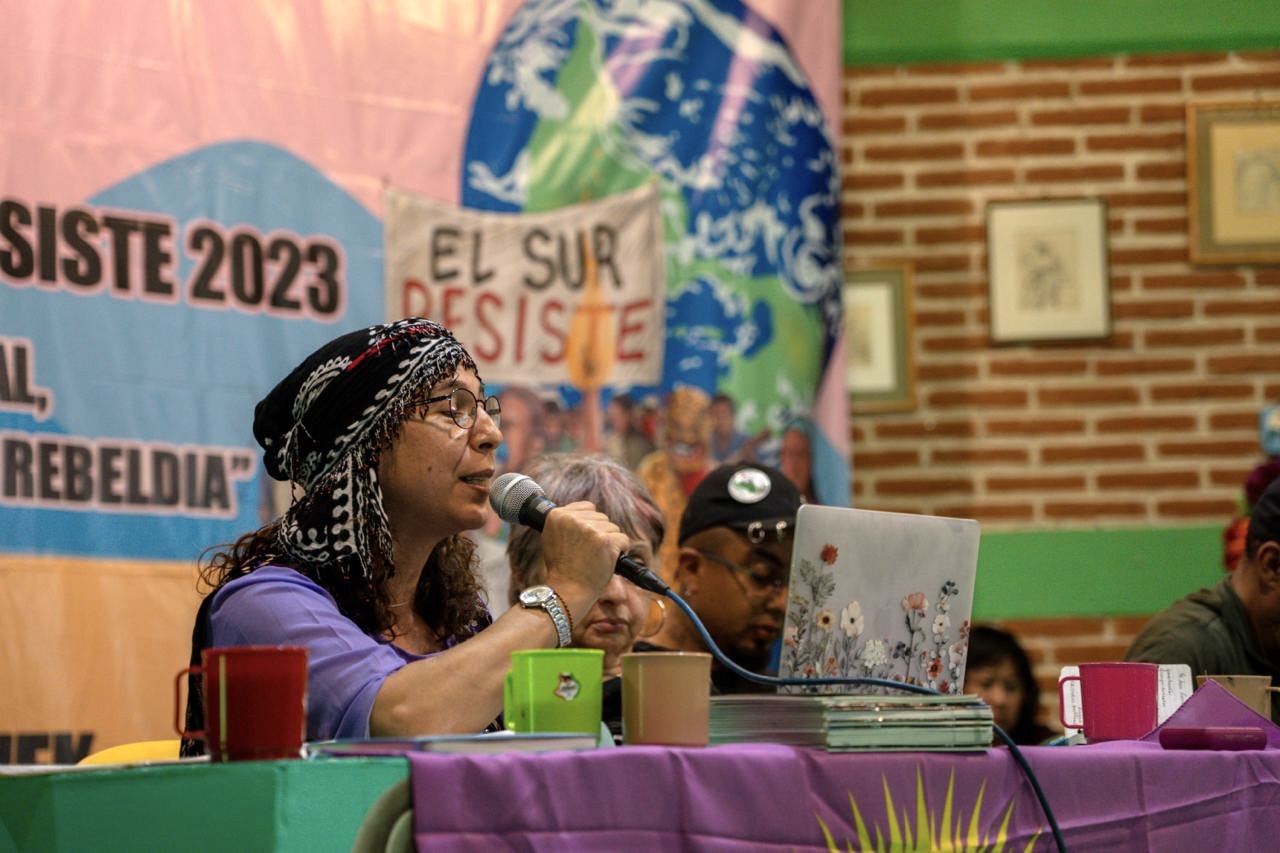
“Until women are liberated, peoples will not be liberated. Women were the first colonies.
Democratic Confederalism, is the hope for the Kurdish people and all the peoples of the world, is a way to preserve Mesopotamia and the ancient peoples of the earth. The way of creating life in Rojava shows the world that the nation state is not the only option, there is another way and it is possible to govern oneself. This is the main reason why they are afraid of us and attack us.
For us, the relationship between mother earth and mother woman is fundamental, that intimate relationship between women and nature, we seek to destroy the dominant male way of thinking. Fight with ourselves to transform ourselves to remove that system of domination of man, our motto is woman, life and freedom.
Our strength does not come from the states, but from the beautiful solidarity between the peoples, their presence strengthens us, our fellow guerrillas from the mountains of Kurdistan are generating hope.
We need to unite wisdom, hopes, dreams, experiences of peoples, women and dissidents who fight against the system. To defend the Kurdistan revolution is to defend the women’s revolution.”
Ana Esther Ceceña
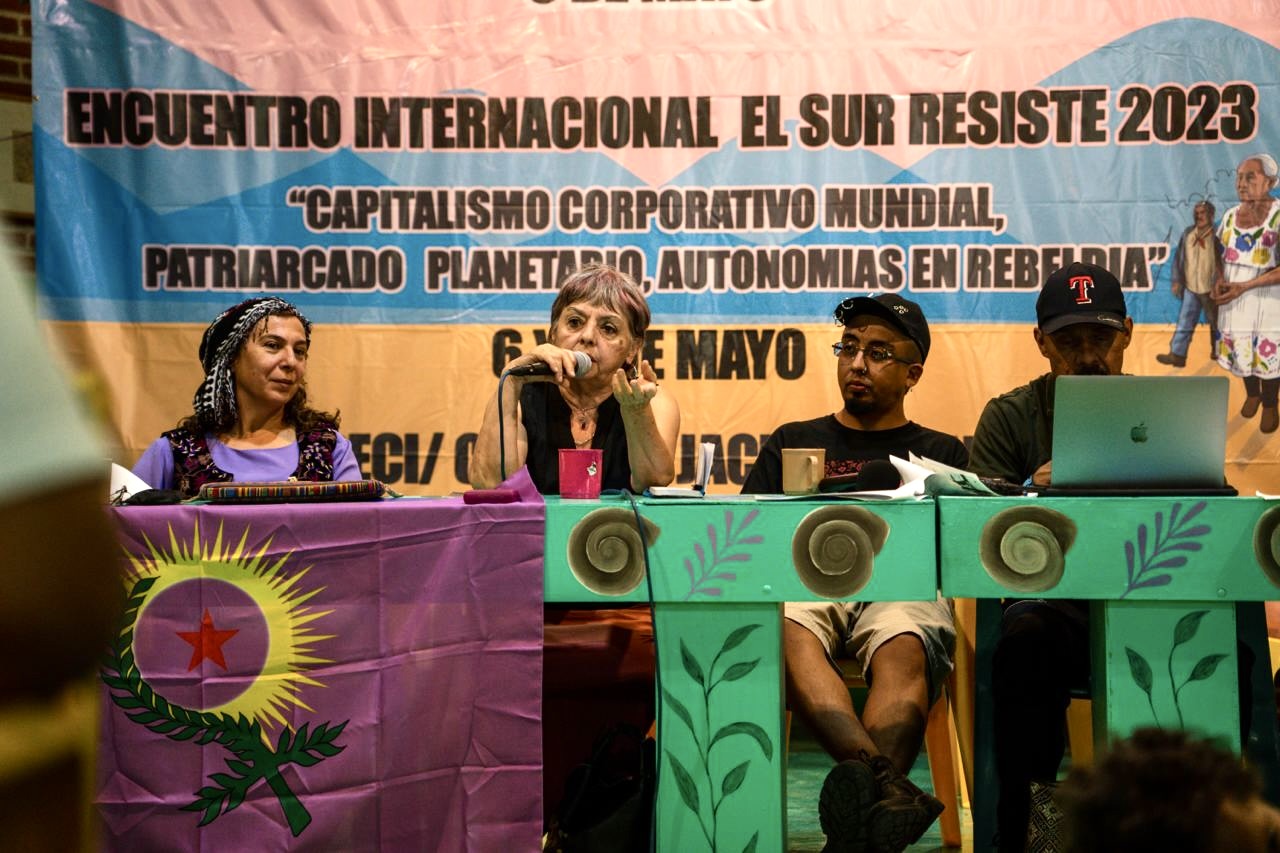
“What is at stake is seeing who gets the power in this world, the rules of the game and the way of life, the biggest dispute is between the United States and China.
The southeast of Mexico has characteristics within this geopolitical rearrangement that interests these powers that want to control territories to create competitive strength. A key piece for the United States, is the rearrangement of North America and the union of these zones, the attempt to control these territories will be stronger and stronger due to the threat of China and these alliances; It is sharpened in the economic field – they seek more supplies of productivity, territory and culture.
We see this with the United States visiting the Mexican southeast, their advocacy groups are watching, seeing. They assure their companies that their investments are safe, that they are already opening up territory.
It is not a way to be overwhelmed, it is to understand and from there start strategies, to ask ourselves how we raise these disputes for territories between powers, how we defend our lives, forms, ways and what is the one that has to prevail.
There is also a strategy of stripping everything symbolic, spiritual, cultural; An example is all this destruction of archaeological treasures on the route of these trains, the trans-excavator breaks them, destroys them and those who do not, take them, steal them. All this that is found, is history, and that’s being destroyed, for the sake of a progress that is not such.
The questions are how to rebuild the territory, how to rebuild our culture and way of life while still recognizing the roots, history and geography where we belong.”
Carlos González
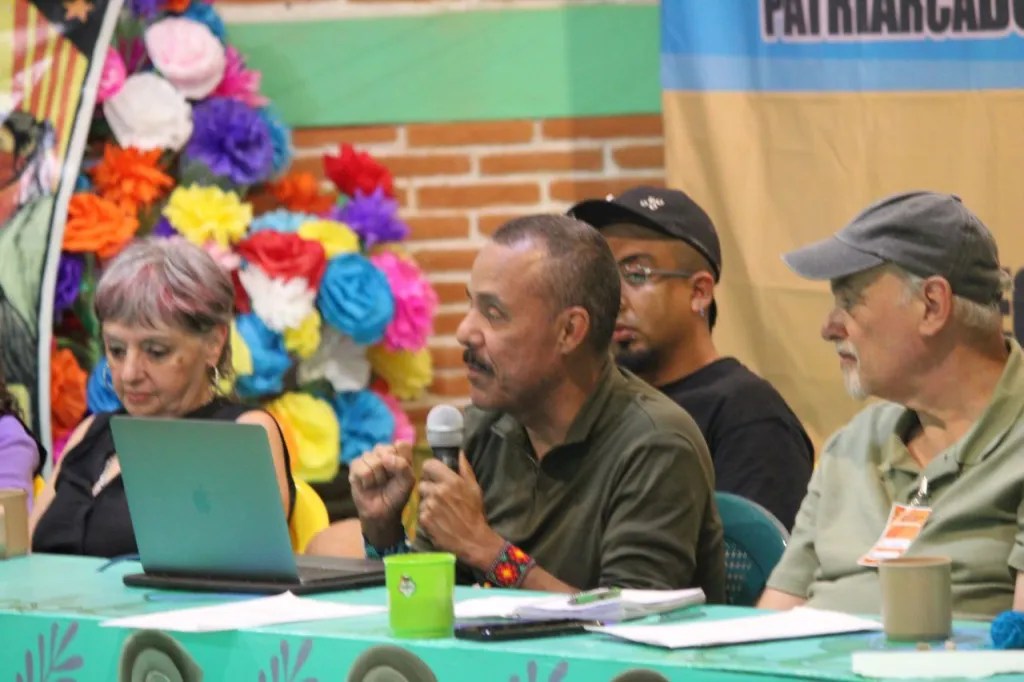
“Capitalism is experiencing a deep crisis in several ways that deepened after the pandemic, we are talking about a pre-pandemic world and a post-pandemic world. The pandemic exploited the crisis of the capitalist system: unemployment, inflation, crisis of food networks, new recession in the United States.
We are talking about a civilizational crisis worldwide that forces us to have the integrity of something not small, which is the destruction of that patriarchal and capitalist system. We can no longer propose policies, government proposals or legislative reforms that are left in the middle.
That happened with the Mining Law, the House is sent with important elements to reduce mining activity, to take away control of water, and reduce the immense wealth produced by the mining company. It reaches the Chamber of Deputies and they start negotiations with companies, with Canadian companies, and change the initiative. The president did not defend that law.
We are not served by half-measures. We need commitment, because what is at stake is life.
The Trans-Isthmus Corridor, the Maya Train, the Morelos Integral Project, and the Santa Lucia Airport are all united projects. And the final purpose of this project is to reorder borders, they will be curtains for migration, they will be projects of complete territorial development.
We must recognize two lights of current hope; The struggle of women in all its forms, although men are worried that they break glass and scratch monuments, insignificant things in the face of the violence they experience. The other light is the light of the Indigenous Peoples who fight to defend the territory; You have to feed these two lights, make them grow and put them together.”
Sharing between different struggles and movements
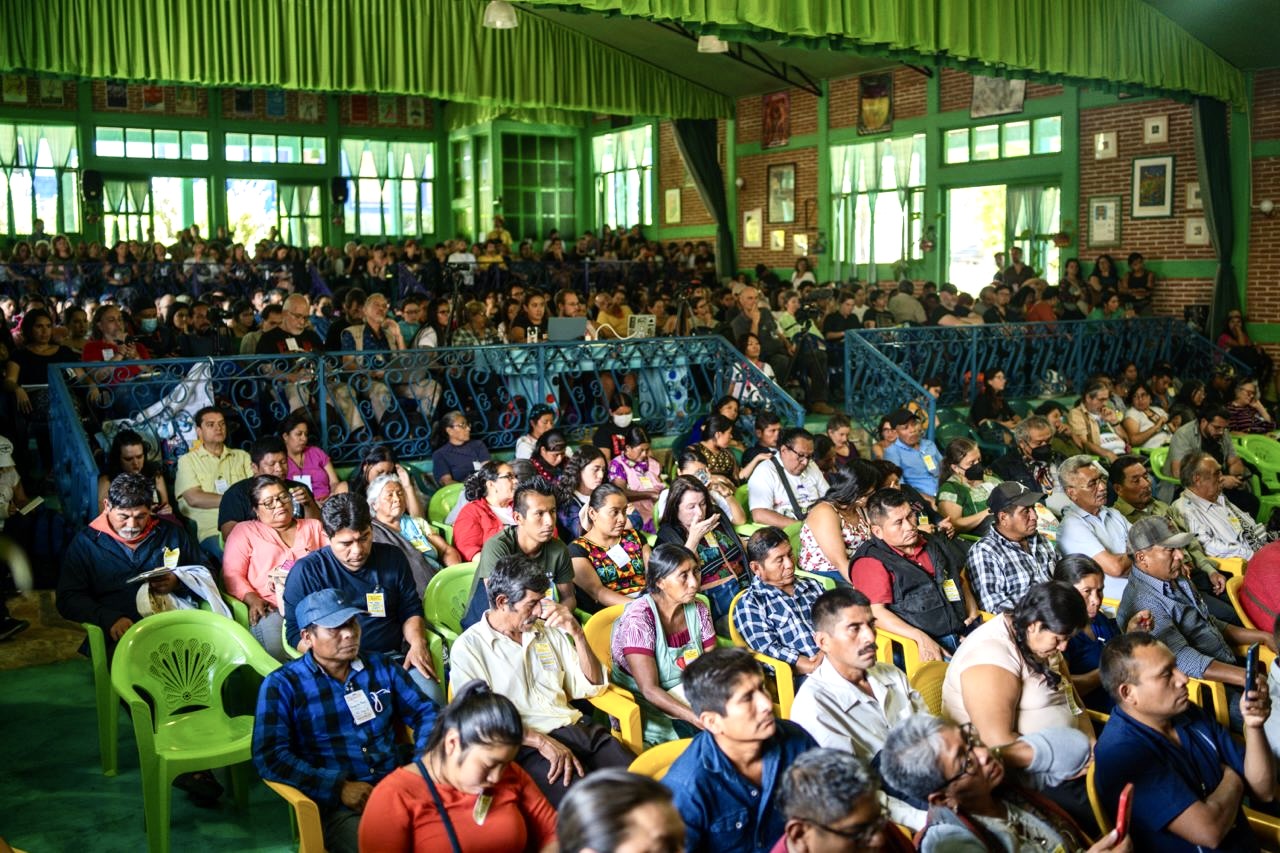
After the main presentations, the members were divided into various groups that could listen in more depth to the struggle and resistance of many other communities, collectives, as well as share experiences from autonomous organization, self-management, and art and culture to build other worlds.
These are some of the topics that were included in the meeting:
1. Report on the observation mission in Guerrero, CIPOG-EZ and La Montaña of Guerrero
2. Xenophobia and discrimination in El Salvador
3. Indigenous and tortured prisoners
4. UCIZONI Tierra y Libertad camp
5. Context in Kurdistan
6. Popular Education in Ecuador
7. Articulation in Yucatán against the “Maya” Train
8. The struggle of the Native Peoples in Colombia
9. Stop Cop City in Atlanta
10. Femicides in Mexico
11. Community economy and feminism
The gathering will continue on Sunday, May 7, in which we plan to articulate struggles in defense of life.
Photographs: Juan Valeiro

Originally Published in Spanish by El Sur Resiste, Sunday, May 7, 2023, https://www.elsurresiste.org/es/posts/inicia-encuentro-internacional-el-sur-resiste-2023-chiapas-mexico and Re-Published with English interpretation by the Chiapas Support Committee
Raúl Zibechi on the importance of the El Sur Resiste Caravan

El Sur Resiste | The South Resists
By: Raúl Zibechi
On Thursday, May 4, the tour of the El Sur Resiste | The South Resists caravan, organized by local groups of the National Indigenous Congress (CNI), concluded. After touring seven states and dozens of spaces that resist extractivism and the megaprojects of capital, listening to hundreds of voices of indigenous peoples and popular sectors, it arrives in San Cristóbal de las Casas, where an international forum will be held on the 6th and 7th of this month.
It is a huge effort by each organization to move, receive, house and feed about 300 people, some of them European, American and Latin American, in the 10 days of the caravan. It began with just over a hundred members on the coast of Chiapas, but along the way members of the organizations that support the caravan were added.
It was encouraging to see that there are still many small and medium-sized resistances with strong local roots, despite the combination of social policies and repression with which governments often weaken popular movements. Hence its importance: to make visible the resistances, to build bridges between them to overcome isolation and, above all, to strengthen them, because the arrival of hundreds of people from the most diverse geographies stimulated each of the struggles, something evident in the warm gratitude in particular of women.

The repression was both ruthless and disguised from the general public. The violent eviction of the camp in Mogroñé Viejo, which stopped construction of the interoceanic train for two months, was the most evident, with the kidnapping of several of the people who supported the protest. The stops at each checkpoint for hours and the tracking of vehicles without license plates, were modes of harassment that only managed to temper the spirits of the participants although it delayed arrival at destinations.
One of the interesting results was to see how in all geographies of the planet, both in the North and in the South, capital and states behave similarly: the voracity and violence of the accumulation of wealth have no limits; militarization is a global reality even if it manifests itself in different ways; Governments of any color merely facilitate dispossession, either by legal or military means; A vast alliance is woven between multinationals, organized crime and states for the control of territories.
I would like to highlight some aspects of the role of this and previous caravans, provisionally for further discussions.
The first is that initiatives such as El Sur Resiste | The South Resists are important to open spaces in the midst of so many difficulties, to prevent the isolation of resistance from drying them up due to fatigue and lack of perspectives. You have to put yourself in the shoes of those who live in remote rural areas, surrounded by extractivist works such as the Maya Train and the Trans-Isthmus Corridor, as well as caciques and aggressive armed herds to understand the devastating role of isolation.
The second aspect is to corroborate the place of women in the resistance and in the construction of other worlds. They were the ones who sustained the caravan, cooking, organizing, taking care of the health and spirits of those who arrived tired at each destination. Women from indigenous peoples, from popular neighborhoods and also women with studies, combined in their diversity of knowledge and working collectively.

Women and communities are realities that touch each other, that dialogue and complement each other. When a collective subject resists attacks from outside, it territorializes and becomes a community to continue being, almost naturally. These are the processes that continue to resist, that did not surrender to the logic of individual benefit proposed by social programs.
It could be heard everywhere that resistance is necessary, but that it’s not enough. Simultaneously, the collectives are building ways of life (from agroecological crops to health spaces) that allow them to live as autonomously as possible, gradually approaching the world they want to build.
There is a profound interaction between resistances and other worlds. The construction of realities different from the hegemonic ones feeds resistance, because in these spaces the peoples find oxygen and at the same time project the type of society in which they wish to live. The interesting thing is that this double dynamic of resistance and construction of the new has become common sense of the peoples.

The caravan must be inserted in the long time of the resistances from below. Nothing is going to be achieved in a short time, nor in the calendars marked by the system, such as electoral calls. The times of the peoples are similar to the cycles of nature, those that teach us the circularity of life that has no other objective than to remain alive. Today, that’s revolutionary.

Originally Published in Spanish by La Jornada, Friday, May 5, 2023, https://www.jornada.com.mx/2023/05/05/opinion/019a1pol and Re-Published with English interpretation by the Chiapas Support Committee
The Caravan arrives in San Cristóbal after touring six states
By: Elio Henríquez, Correspondent
San Cristóbal de las Casas, Chiapas
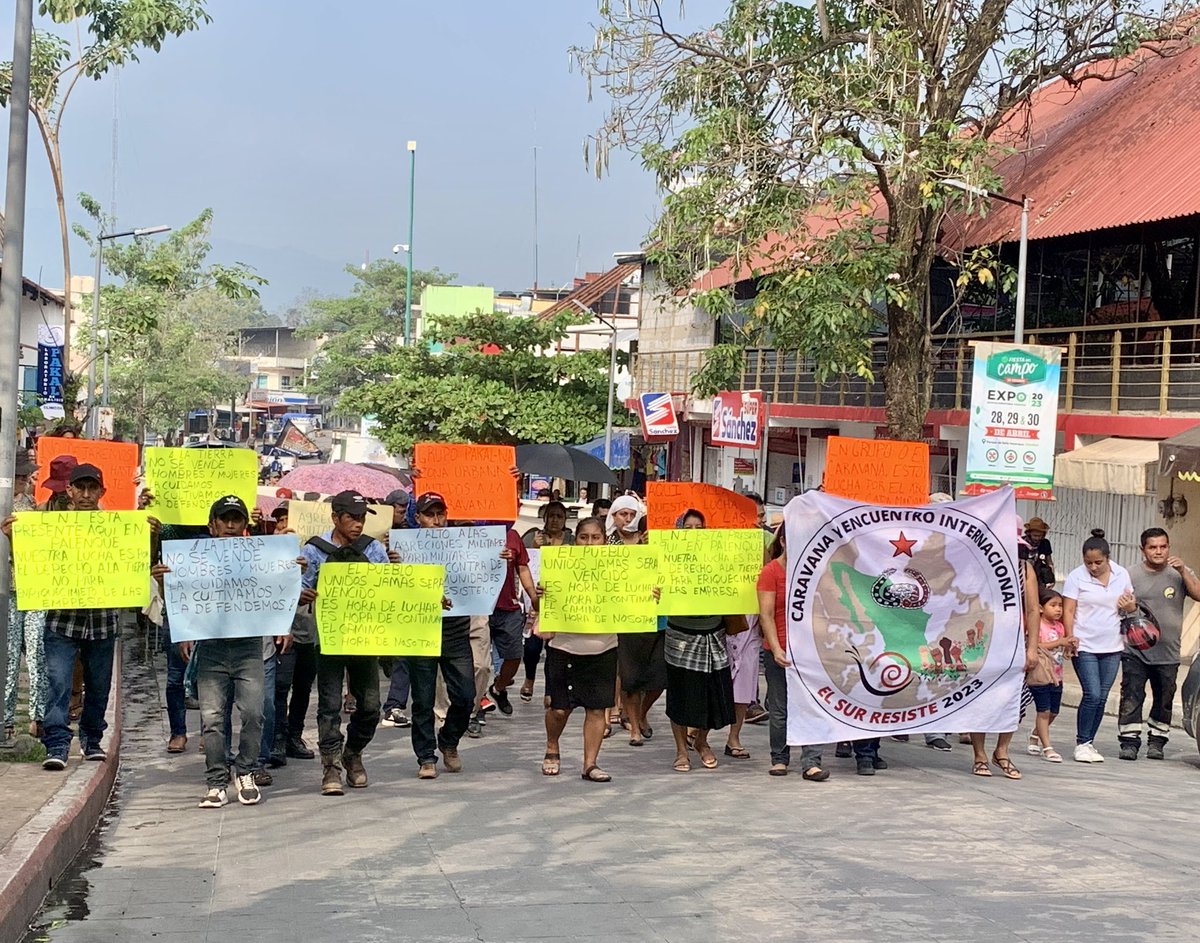
Members of the caravan called El Sur Resiste | The South Resists, organized by the National Indigenous Congress (CNI), arrived in San Cristóbal, after touring the states of Oaxaca, Veracruz, Tabasco, Quintana Roo, Campeche and Yucatán.
The group of about 250 people, which traveled in three buses, arrived on Thursday at 11 p.m. from Palenque, where in the morning they held a march and a rally in which a representative of the CNI said that “we are resisting the onslaught of capital that has declared a war of extermination of the original communities.”
He said: “We know that this traitorous government is protected as a Good Samaritan with gifts and support of the misery that it is giving to our people and so, when we walk with the caravan they turn to say: ‘Long live the Mayan Train’ and that is very serious, brothers.”
“But we also know that there are many of us who are fighting indignantly and demanding that capital get away from here, that it leaves us in peace, that the original peoples are worthy and we also defend the lives of those bastards.”
“Megaprojects don’t mean progress”
He added: “Our children are at risk of living in misery. They tell us that (projects like the Maya Train) are progress and that is a lie. They poison our land, pollute the water, plunder it and turn the territory into merchandise.”
He called on civil society to unite “because we cannot move forward alone in the face of this war declared on indigenous peoples,” while calling on the government to “stop militarization throughout the country.”
An Otomi from Querétaro who participates in the caravan, said: “we are the voice of the peoples who fight, who tell the government that we do not want to be killed (…) We want to live. “
The caravan’s journey began on April 25 in the Progreso ejido, municipality of Pijijiapan, Chiapas, and after 10 days arrived in San Cristóbal on Thursday, at 11 pm, accompanied by observers from the Fray Bartolomé de Las Casas Human Rights Center (Frayba), the International Service for Peace (Sipaz) and the Swedish Movement for Reconciliation, among other NGOs.
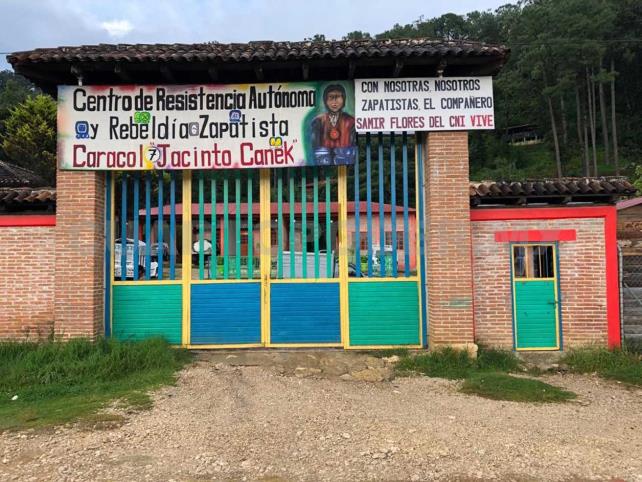
The caravan stayed at the Cideci / Zapatista Caracol Jacinto Canek, where this Saturday the international meeting El Sur Resiste 2023 will be held.

Originally Published in Spanish by La Jornada, Saturday, May 6, 2023, https://www.jornada.com.mx/2023/05/06/estados/027n3est and Re-Published with English interpretation by the Chiapas Support Committee
Day 10 – Palenque, Chiapas: First health, food and justice, not a train that is not Maya
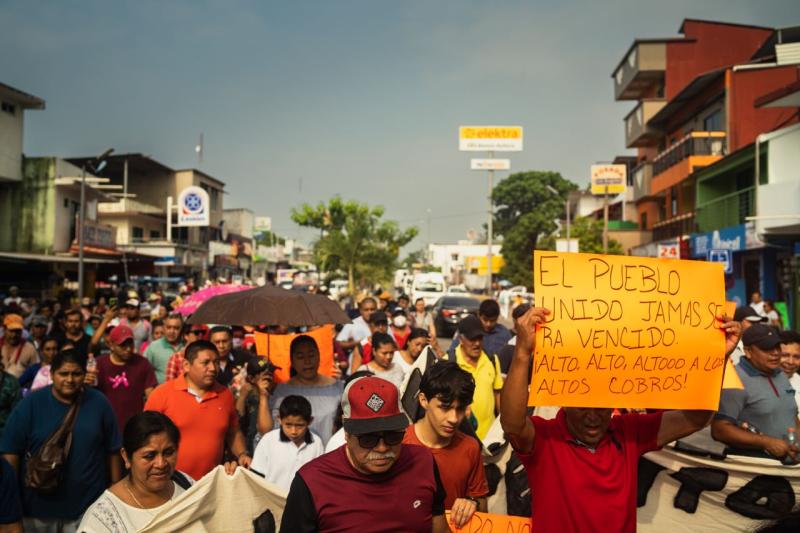
The El Sur Resiste | The South Resists Caravan arrived at its last stop, Palenque, Chiapas, before the start of the “International Gathering El Sur Resiste 2023,” which will take place on May 6 and 7 in the Jacinto Canek Caracol. In Palenque, we held a march and rally against the discrimination, criminalization, and imposition of megaprojects on the Indigenous Peoples in Chiapas.
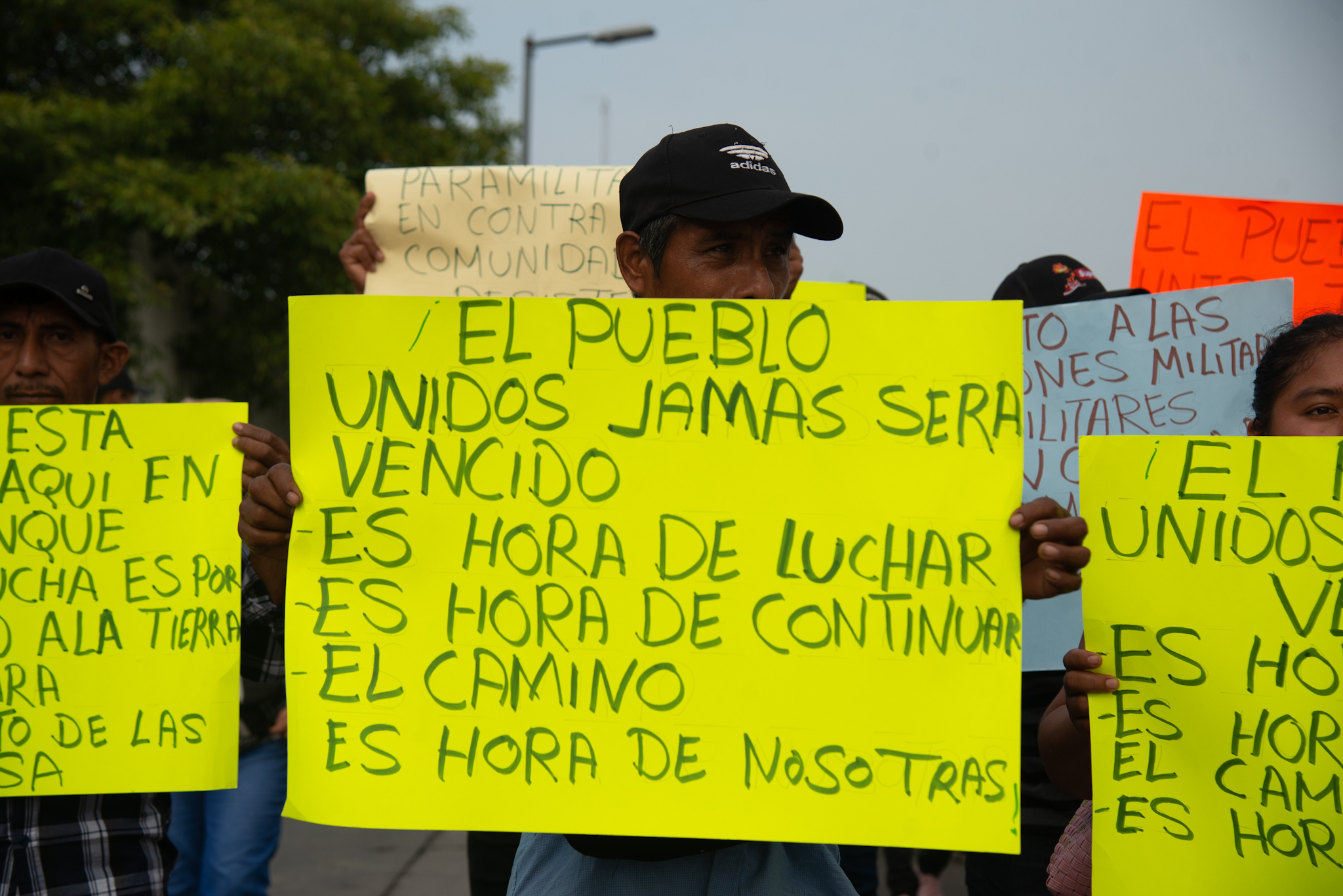
The march had the broad participation of compañeros and compañeras from several communities in the region, who carried banners and signs demanding respect for the right to land and territory of Indigenous Peoples, and denouncing the imposition of megaprojects in the region.
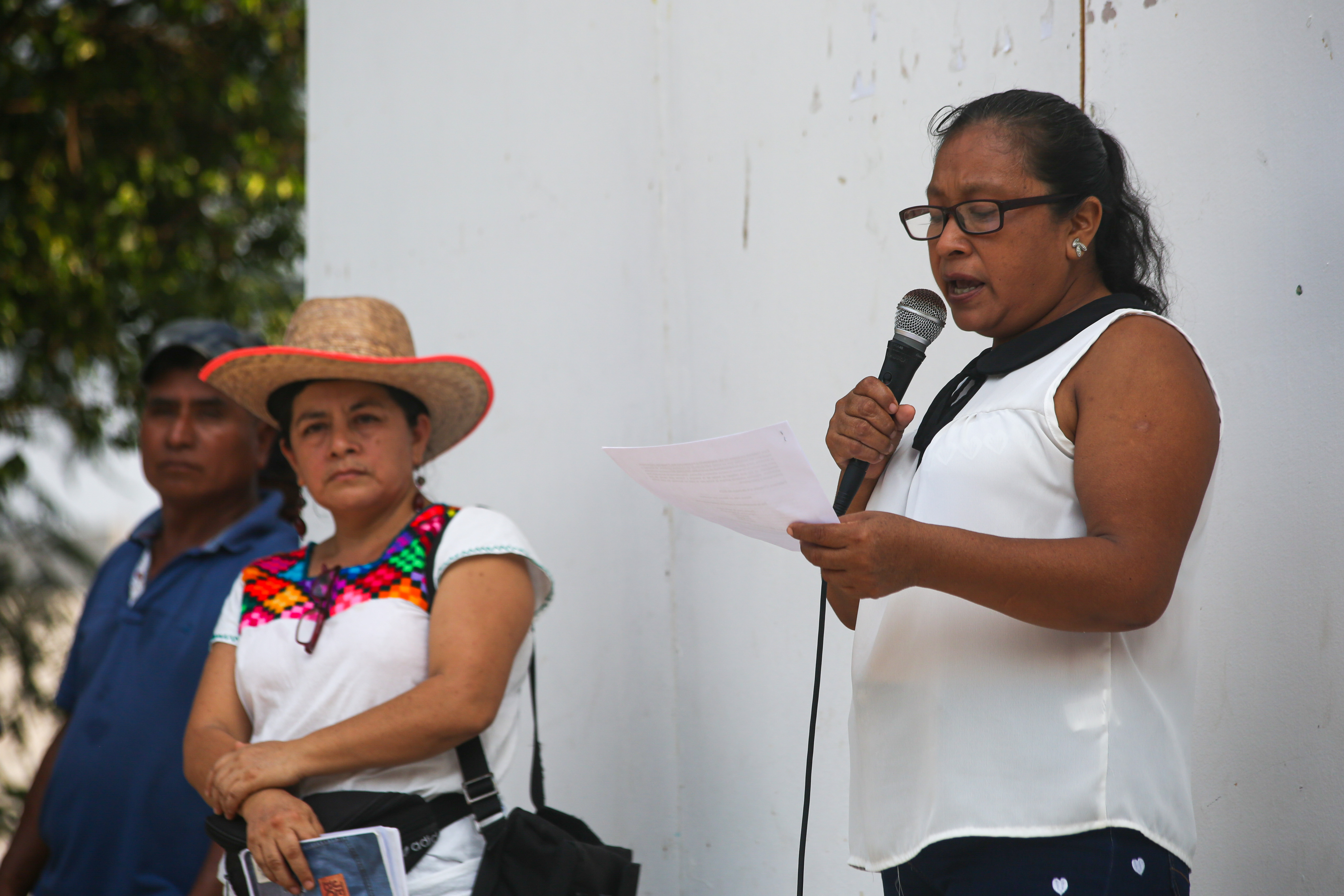
Upon arriving at the main esplanade of Palenque, the rally begins in which the organizations Coordinator of Indigenous Social Organizations CDLI-Xinich; Relatives of victims, survivors and disappeared of the Viejo Velasco massacre in the Lacandón Jungle; Toblej Yu’un Wokoltik; UCISECH; Maya Autonomous Villages “OPAM”; National Network of Civil Resistance POMACA; SADEC; CAM; CNI-Palenque; Pakal-Na National Network; IXIM Ansetik; among others, share their word and testimony about the violence and discrimination they suffer from the Mexican State, and about the resistance of their communities.
Complete impunity in the Viejo Velasco Massacre
The relatives and victims of the Viejo Velasco massacre, in the municipality of Ocosingo, which occurred in 2006, denounced that the investigations during these 16 years have been completely “inefficient and ineffective” and that two of their compañeros, Antonio Peñate López and Mariano Pérez Guzmán, remain missing to this day.
The massacre of Viejo Velasco ended in the murder of 6 people extrajudicially executed, one of them, María Núñez González was pregnant, plus 2 people disappeared and 36 forcibly displaced people.
To this day, the Government of Mexico has refused to acknowledge the massacre despite the fact that it was perpetrated by the paramilitary group Organization for the Defense of Indigenous and Campesino Rights (OPDDIC), accompanied by State Police and other public servants.
Currently, 36 people from the Viejo Velasco community are in forced displacement without any guarantee for their return and four members of the Committee for the Defense of Xinich Indigenous Freedoms have pending arrest warrants, unjustly accused of committing the massacre.
“They mercilessly killed our sisters and brothers; others took them away tied up and dragged them like animals in the middle of the night in the Lacandón Jungle.”
Resounding rejection of the Maya Train
During the rally, the organizations expressed their rejection of the works of the Maya Train that are planned in this region.
The Palenque station is part of Section 1, which will reach Escárcega, Campeche. The latest reports from the Mexican authorities in charge of construction, have announced 80% progress in this section, including the train station in Palenque and a center around it inspired by the mask of Pakal.
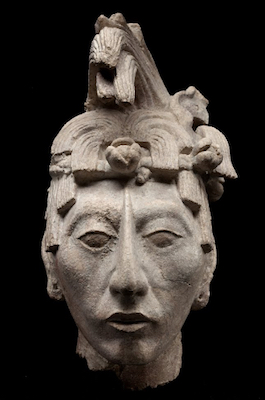
The complex will have an area of one thousand 112 meters of boulevard, which will have six lanes, a pedestrian walkway and bicycle path. It will have a new long-distance train, operated by Alstom Mexico with a capacity of 260 passengers.
During the rally, the Mayan and Zoque organizations present expressed the following reasons for rejecting the project, some of which include violations of their rights as Indigenous peoples:
- The Native Peoples were not consulted in accordance with the law, thus violating the law of consultation with Indigenous Peoples and international treaties.
- The real owners of the Maya Train are big foreign economic powers and transnational corporations.
- The Maya Train will bring poverty, dispossession of lands and territories, and when we defend our land, we end up in prison or dead.
- Because the project will make our children and grandchildren leave the villages to work in exploitive jobs, for a miserable wage and without social security.
- Because of the pollution and destruction of all living things, water, plants, forests and animals.
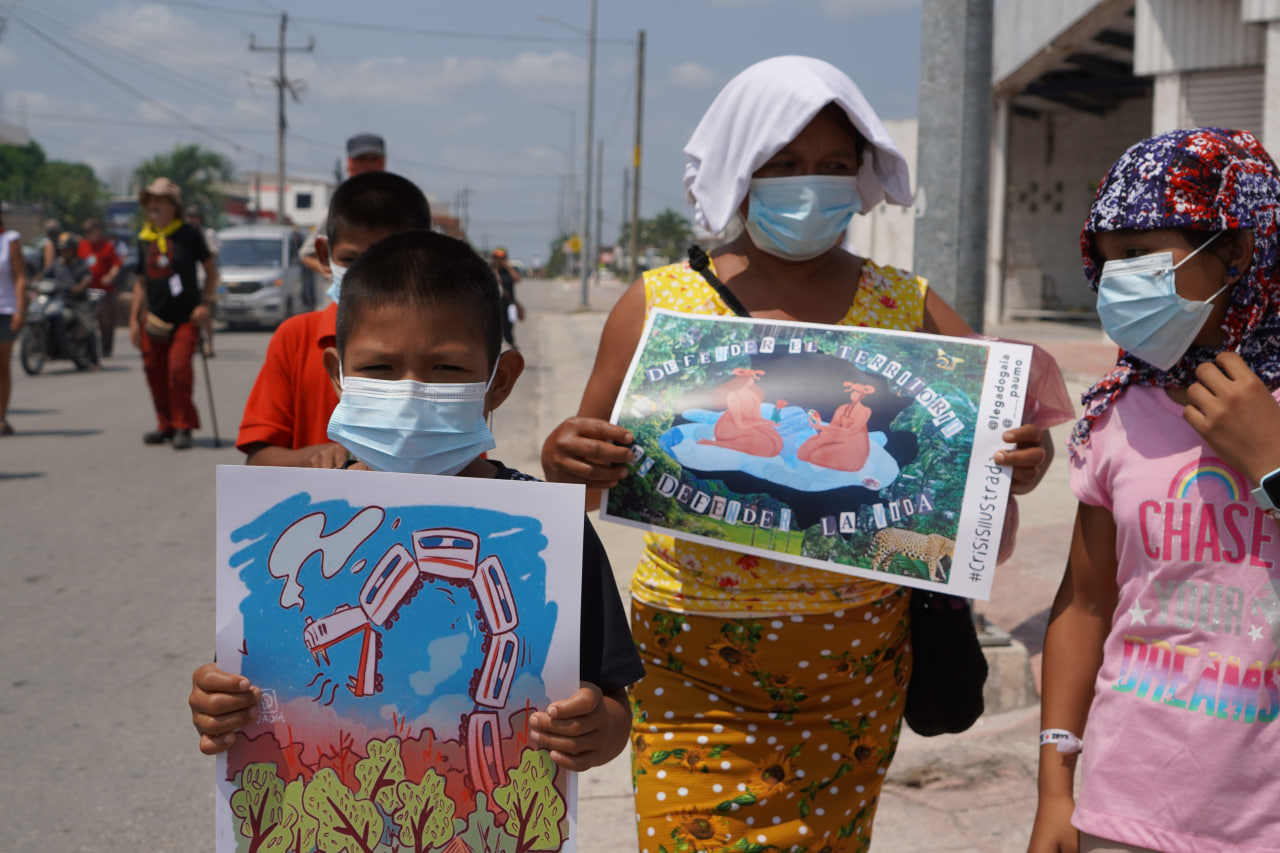
The Maya and Zoque Peoples also mentioned the lack of health services, hospitals and other services in the region. They pointed out as hypocrisy and discrimination that trains are built for tourists before health services for communities.
“Be a little ashamed Mr. President López Obrador, the only thing you could think of is a train and not a hospital for the peoples, which is a historical requirement.”
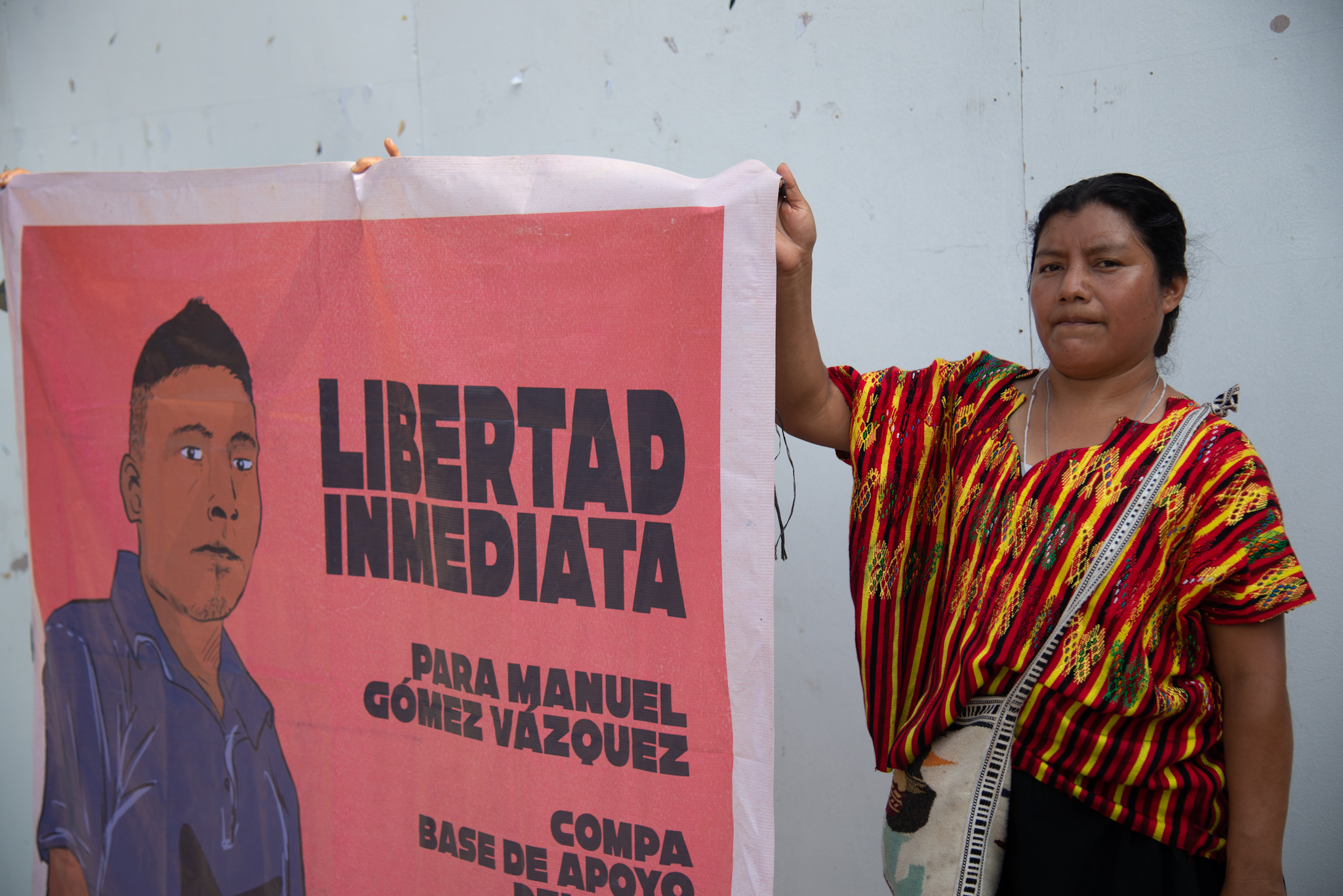
They demand Freedom for Political Prisoner of Manuel Gómez Vázquez
The Ajmaq Network of Resistances and Rebellion participated in the Palenque forum, with the reading of a statement on the situation of arbitrary deprivation of liberty of Manuel Gómez Vásquez, a young Maya-Tseltal peasant of 22 years, who was a support base of the Zapatista Army of National Liberation (EZLN, Ejército Zapatista de Liberación Nacional).
On December 4, 2020, Manuel was arrested by an armed civilian group, which tortured him physically and psychologically to deliver him the next day to the Prosecutor’s Office to incriminate him for a crime he did not commit, to date he has been deprived of his liberty for 2 years and 3 months, without a sentence or a fair process.
Manuel is originally from the Ricardo Flores Magón Autonomous Rebel Zapatista Municipality, Caracol IX, in Ocosingo, Chiapas. He is currently being held at the State Center for the Social Reintegration of Sentenced Persons No. 16.
The Good Government Junta and the Fray Bartolomé de las Casas Human Rights Center have indicated that his imprisonment is due to his work as a Zapatista support base, since the Prosecutor’s Office lacks evidence to accuse him.
In a public complaint, the Good Government Junta stated the following:
“For bad governments, being Zapatista is a crime punishable by slander, persecution, jail and death.”
The call is for national and international solidarity to join the demand for freedom for Manuel Gómez Vázquez.
At the end of the day, we leave for San Cristóbal de las Casas to prepare the “International Gathering El Sur Resiste | The South Resists 2023”, where communities from all over the Mexican southeast and throughout the country, as well as independent media, civil society and human rights organizations, will take stock of all the testimonies, evidence and information obtained during the El Sur Resiste | The South Resists Caravan. The objective will be to articulate actions and strengthen networks to confront the policy of death and megaprojects of the bad Mexican government.

Originally Published in Spanish by El Sur Resiste, Friday, May 5, 2023, https://www.elsurresiste.org/es/posts/dia-10-palenque-chiapas-primero-salud-alimentacion-y-justicia-no-un-tren-que-no-es-maya and Re-Published with English interpretation by the Chiapas Support Committee
Day 9: Xpujil, Campeche – The Army reconfigures Maya territory illegally
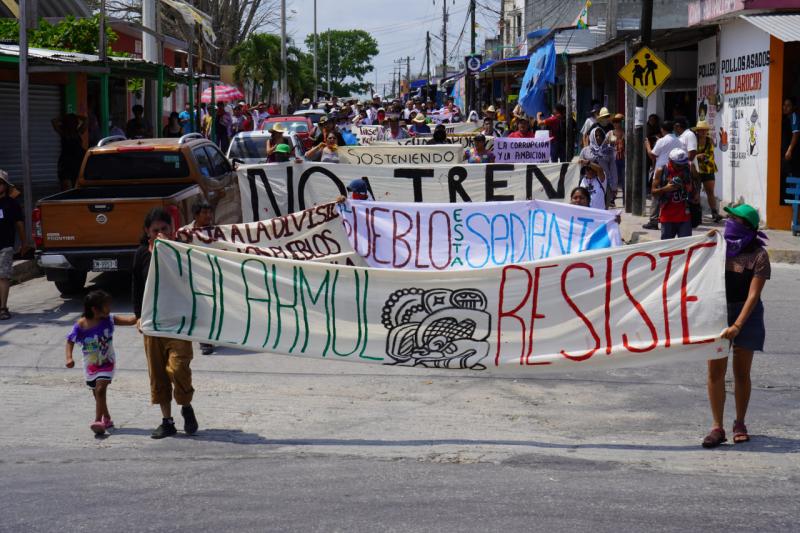
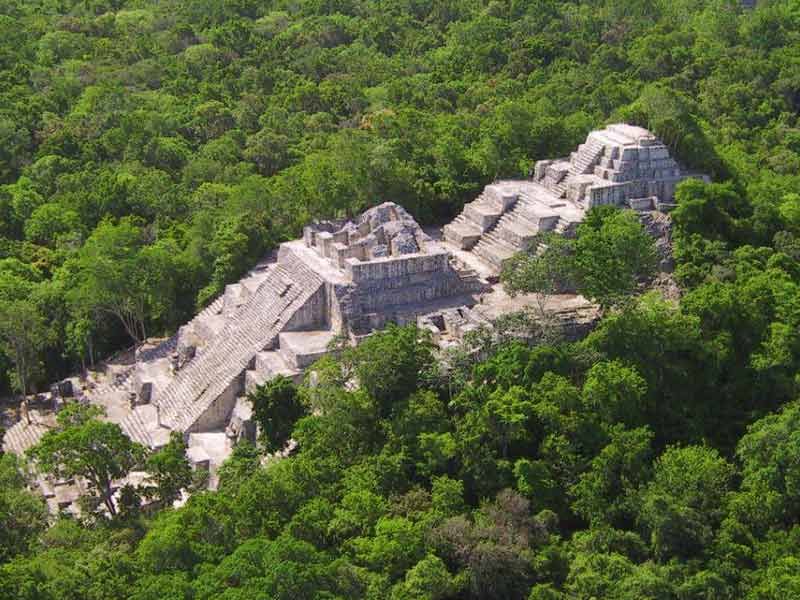
On day 9 of the El Sur Resiste | The South Resists caravan, we visited the Xpujil [1] community, Calakmul, Campeche; one of the places where section 7 of the Maya Train project is being built and has one of the development poles that includes the train station, a military base, nine military barracks, six material banks, a hotel, a casino and a deep well.
The day begins with a ritual of gratitude to Mother Earth in the center of the Regional Indigenous Council of Xpujil (CRIPX), in which words of gratitude for the lives of all those present are shared and the call is made to continue fighting for life.
After the ritual, we start the march along the road, the sun burns the skin, you can feel the lack of trees and the drought that this generates. After more than 20 minutes, we arrive at the construction zone of a casino that is planned to be built together with the station and the train tracks.
The work is controlled by the Mexican Army, which also has a base in that area. The construction is monstrous, thousands of trees have been cut down in this area turning it into a desert area full of dust and stones; Bulldozers and trailers with material work non-stop while dozens of soldiers guard the construction.
Later, in the heart of the Maya jungle and the Calakmul biosphere reserve, it has been announced that the Mexican Army will build a hotel with more than 100 rooms. Activities in that area have begun without any kind of legal permit, environmental impact statement, or any consultation with the native peoples of the area.
An illegal project
Faced with the mega construction that is being carried out, colleagues from the community of Xpujil, begin to talk about the illegality of the project since the community of Xpujil has a definitive order of suspension issued by the Collegiate Court.
The amparo (suspension) was entered in 2019, first a provisional suspension was received, and then the order was ratified by a Collegiate Court, thus granting the definitive suspension that indicates that only research and administrative work can be done in the area.
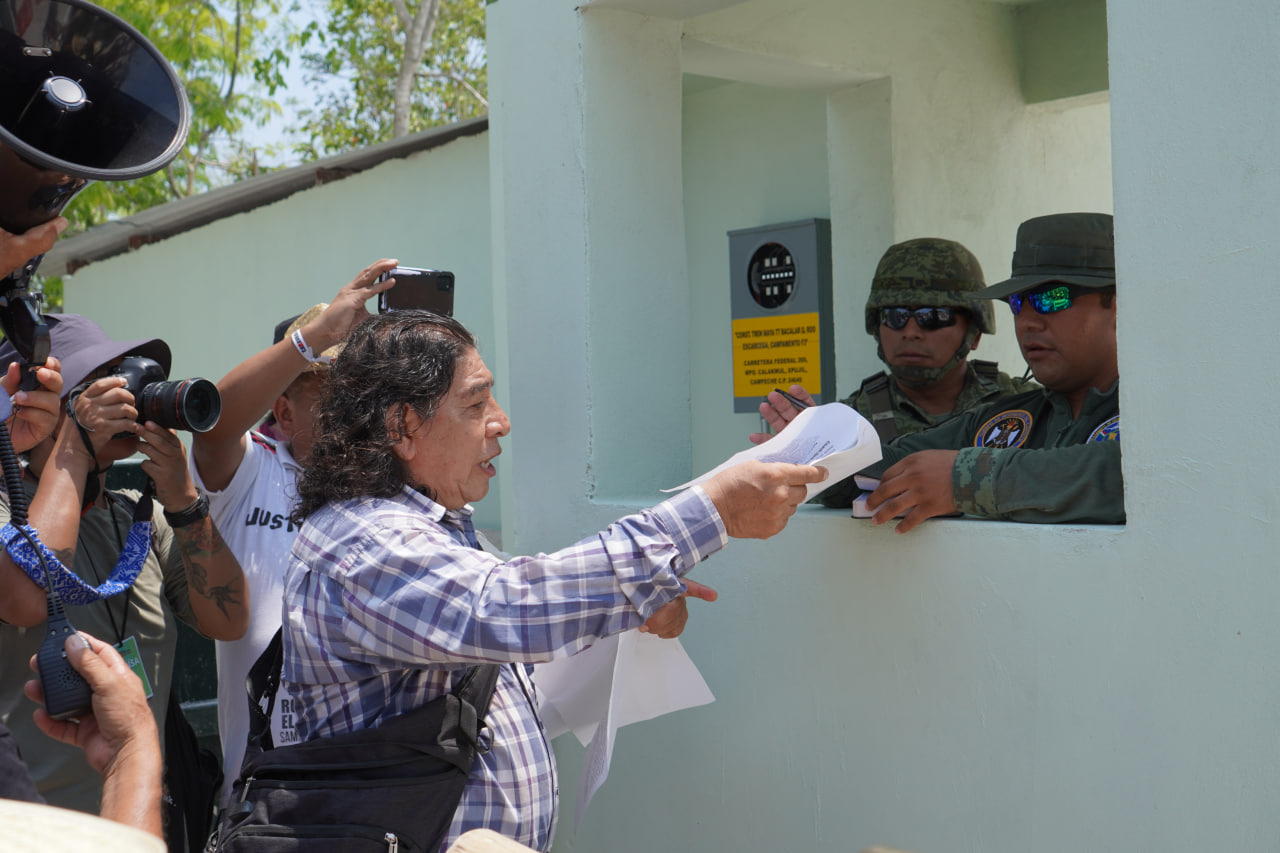
Although the judge’s order was ratified after the Mexican Army challenged the order, the federal government has ignored the judge’s order, and the destruction of this part of the Maya jungle has continued totally unpunished.
After explaining the legal process that they have carried out and how the judicial sentence has been disregarded, the compañero proceeds to deliver the judge’s order to one of the military commanders in charge of the construction.
“FONATUR and you, SEDENA, are committing a disregard and should be prepared to face legal charges, and we have the right to stop the work. You’re violating a court order, that’s a felony, a federal crime.”
The compañero indicated that the community will return with an actuary so that the work stops immediately.
We will defend the territory with our lives
The march returns to the center of the Xpujil community, where one of the main roads is closed for a political and cultural rally. There, the compañeros of the Regional Indigenous Council of Xpujil explain how the Maya Train project has deepened colonization in the more than 89 indigenous communities with more than 10 languages that inhabit this part of the territory, since they impose ways of life alien to the communities, thus violating laws and international treaties on the right of Indigenous Peoples to self-determination.
The compañeros also exposed then discrimination to which they are subjected by the three levels of government, since, while the original communities have been denied the right to land with the argument of reclassifying their territory as a nature reserve; They open the door to the army to do all kinds of constructions.
During the rally, the testimony of comrades of the El Sur Resiste Caravan was also presented. They spoke about how in other communities, assemblies have been illegally and illegitimately held to sell land rights to the Maya Train.

On the Nicolás Bravo stretch in Quintana Roo alone, the government has denied all the ejido members the right to make collective agreements. The 35,000 hectares of virgin forest that the ejido had voluntarily allocated to conservation were privatized in order to hand them over to big capital such as the Cancun hotel consortium and the Azcárraga family of the Televisa group.
A member of the Emiliano Zapata indigenous community in Candelaria, Campeche, a Chol speaker and member of the Regional Civil Resistance Organization, denounced the threats they have suffered about being evicted from their home and their territory.
According to the testimony, a person named Fernando Humberto Oropeza has promoted the eviction order and presented himself to the inhabitants of these lands where families have cultivated for years. Faced with this situation, the member of the Emiliano Zapata community made it clear that the peoples will defend their territory against this policy of dispossession.
“As Indigenous people we need a piece of land in order to support our families and we are going to defend it at all costs, whatever the cost. We are tired of so many injustices on the part of the state and federal government. If they touch one they touch all, we are not going to die at the foot of the government; we will die fighting.”
After the rally, we returned to the center of the Indigenous Regional Council of Xpujil (CRIPX) to share food and start our journey to Palenque, Chiapas, the last stop of the Sur Resiste caravan before starting the International Gathering of Resistances of the Mexican Southeast, which will be held at CIDECI on May 5 and 6. and in which indigenous peoples from all over the country, as well as organizations, collectives and activists, will unite to work on unified responses to the war machine of the Mexican State and its megaprojects of death.
Translator’s Note
[1] Xpujil – The pronunciation is Shpooheel, a community near the Calakmiul archaeological site and protected UNESCO Biosphere Reserve in the Mexican state of Campeche.

Originally Published in Spanish by El Sur Resiste, Thursday, May 4, 2023, https://www.elsurresiste.org/es/posts/dia-9-xpujil-campeche-ejercito-reconfigura-el-territorio-maya-de-manera-ilegal and Re-Published with English interpretation by the Chiapas Support Committee
Day 8 – Felipe Carrillo Puerto, Quintana Roo: Maya Jungle leveled by Maya Train
On the 8th day of the El Sur Resiste | The South Resists Caravan arrived in the city of Felipe Carillo Puerto where we marched through the streets of the city making visible the problems caused by the Maya Train project.
After the march, we depart for Xpujil, Campeche, however, we stop at the stop on the crossroad to Laguna Ocom.
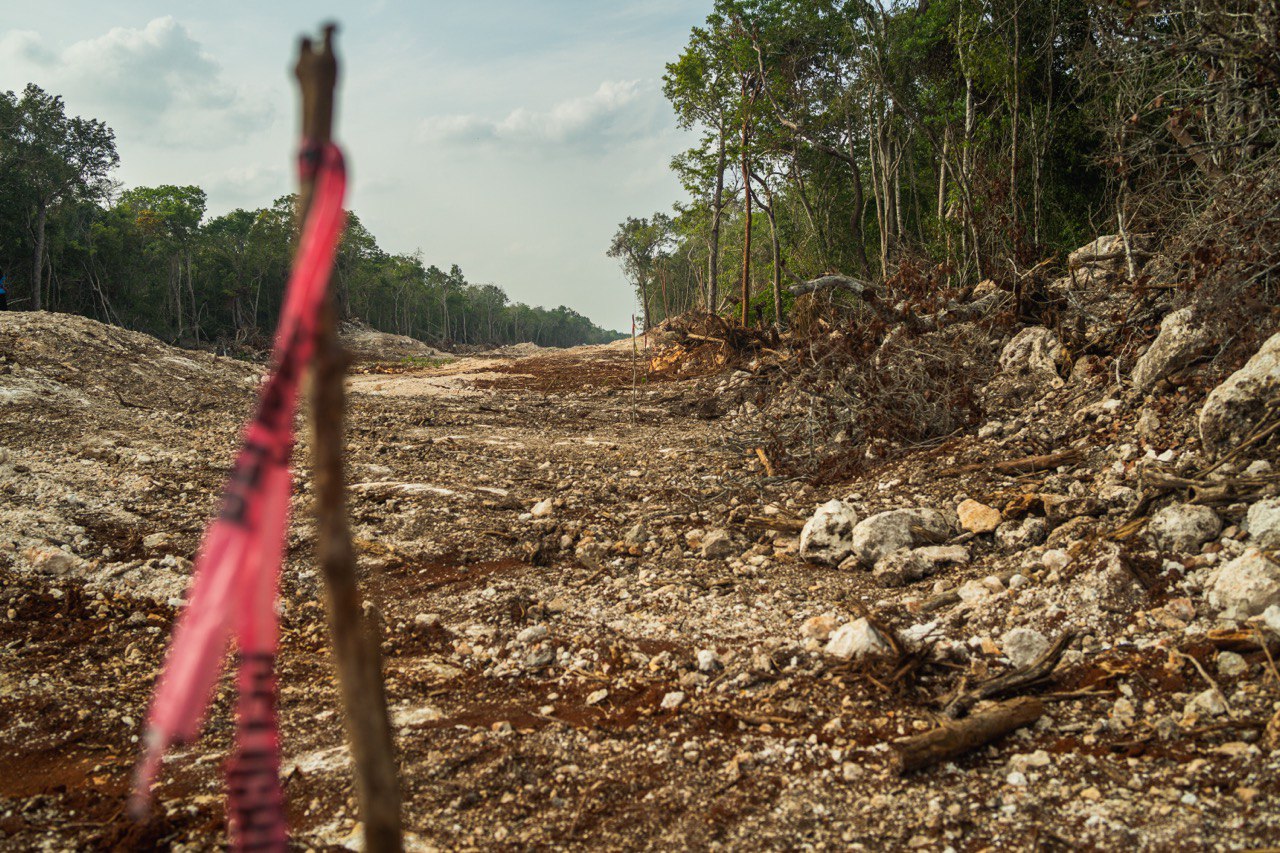
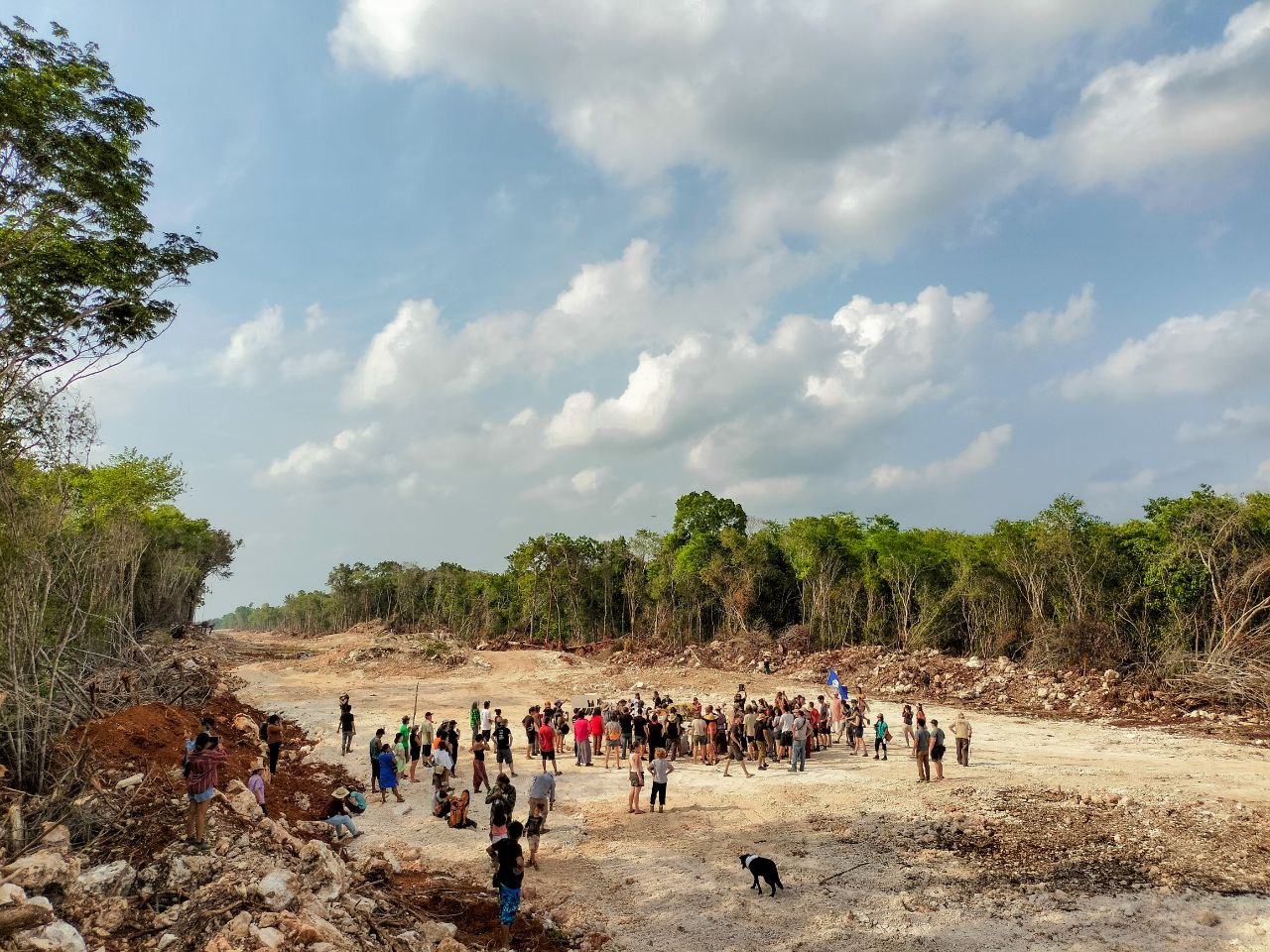
As soon as we arrive, the outlook is bleak. In this place, section 6 of the misnamed Maya Train has already taken the lives of thousands of trees; Cedars and mahogany have been cut down without any consideration for all that is lost with each tree that is felled. Home to hundreds of species, they have been uprooted from the earth in order to hand over these lands to American, Canadian, and German companies.
The Maya jungle, once full of life, flora and fauna, is now a space split in half where there are only stones and all the trees have been killed. Where life has been destroyed, the heat gives no respite, drought is felt in the environment, dust is felt floating in the air.
Although photographs of this crime have been seen on the internet, being in the midst of destruction and death is painful for everyone present. The person responsible for this ecocide has a name: Andrés Manuel López Obrador.
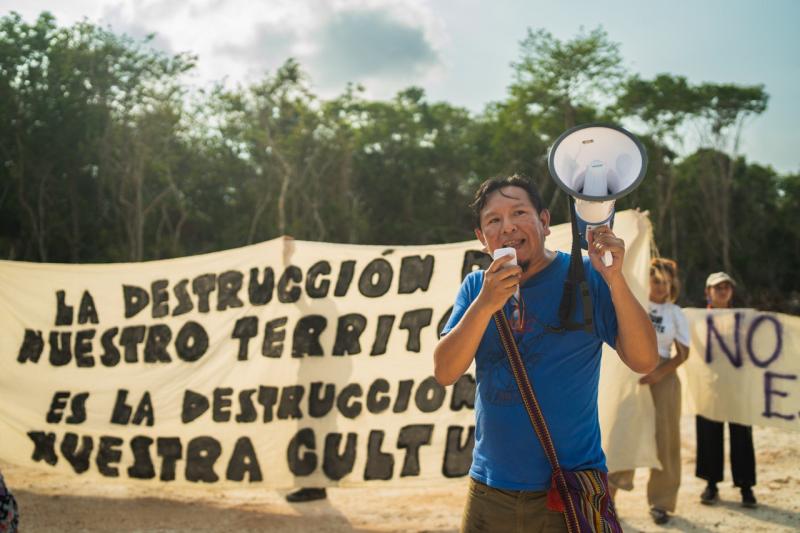
Compañero Angel Sulub, from the Maya community of Noj Kaj Santa Cruz Xáalam Naj K’ampokolche’, talks about what this disaster means for his people, the Mayas who have inhabited and defended this jungle for millennia:
“With a lot of courage, with a lot of anger in the middle of a sacred territory, the jungle that our ancestors have bequeathed to us, a territory for which our grandfathers and grandmothers fought to take care of and to guarantee that we and our granddaughters can enjoy the well-being that the territory gives us. This Maya jungle is being dispossessed; this Maya jungle is being brutally murdered. Here, where we are now, there were cedars, mahogany, chicozapotes, the deer walked here, the jaguars walked here.
Right now, we are looking at a desolate place.We are seeing the beginning of what they, those at the top, want: the looting, the most voracious extractivism of the peoples. Sacred waters that come from the state of Campeche and go to the coast travel through this territory. We are not only seeing the devastation of these ecosystems, we are seeing the destruction of the way of life of the peoples.”
Two compañeros perform a ritual in this place of destruction, they offer water and honey to the wounded earth, they tell Mother Earth to resist, that we are here, and that we feel her pain.
A Model of Destruction and Death
At the site of the devastation, we spoke with Sergio Madrid and Sara Cuervo of the Mexican Civil Forestry Council about the destruction of the Maya rainforest on the Yucatan Peninsula as a result of the progress of the Maya Train project.
Sergio Madrid and Sara Cuervo explain that this region and the Yucatan Peninsula is one of the regions with the largest forest area in the country along with Chiapas, and the second most important forest system in America recognized as the Maya Jungle. They also talk about the variety of endemic species in this region such as the jaguar, the tapir and many others.
Sergio Madrid talks about how the model of extractive tourism, the environmental and social destruction of Cancun, wants to be replicated throughout the Peninsula.
“That model has been about removing people’s access to the beach. The territory has been taken by large tourism capital, what FONATUR [1] wants is to take this scheme of large investment of entrepreneurs, and the government is the one that opens the way for these entrepreneurs to enter. The environment, the organization in defense of the territory, human rights, are a hindrance to this scheme.”
Sara Cuervo also talks about the need to not only see the terrible devastation of the train tracks, but also, all the ecocide in other areas such as the filling of cenotes and aguadas. [2] Also look at the violence that has been provoked from the implementation of this project and that has been generated with the arrival of the Army and National Guard to the places where the project is going to be built.
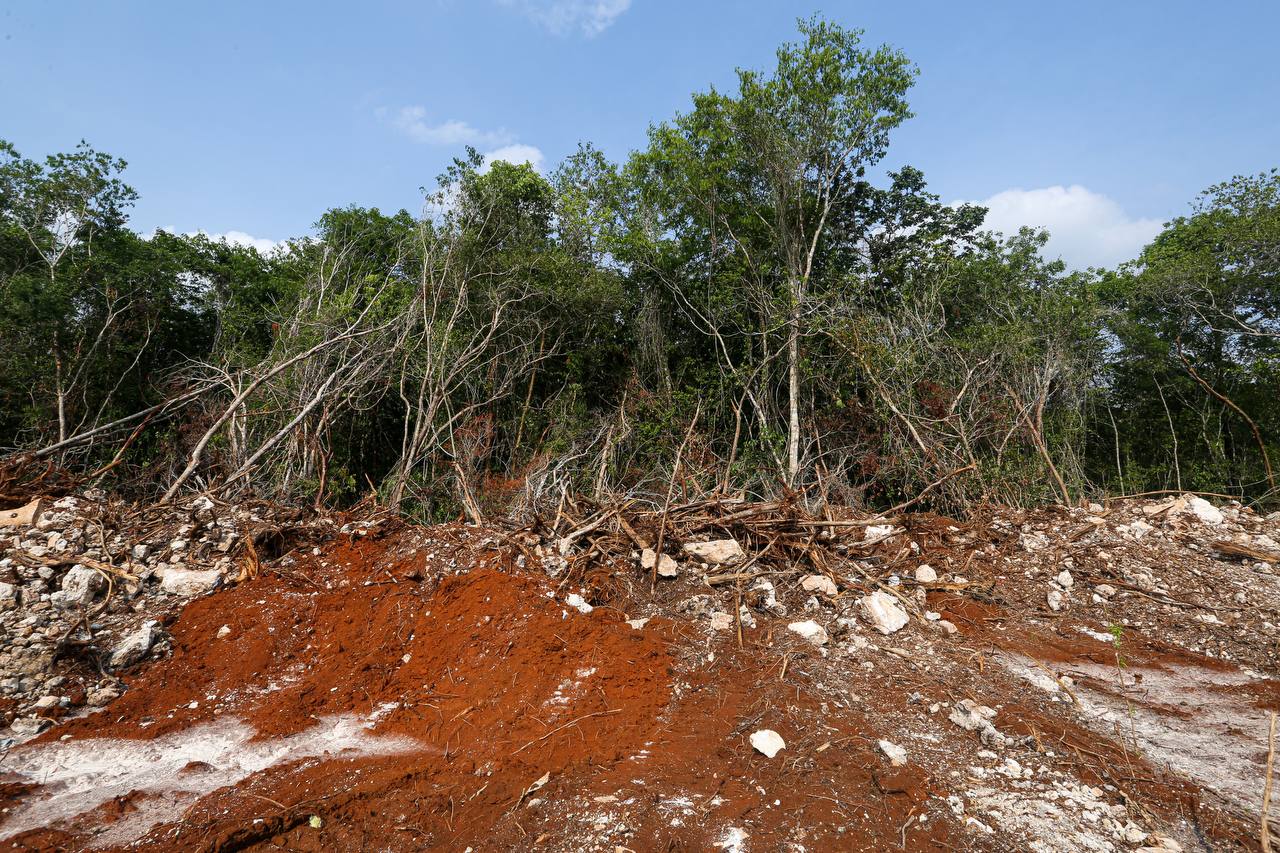
“Despite more than 500 years of resistance, we live in a historic moment of seeing communities crossed by a genocidal and ecocidal project. There is terror and fear of militarization and the arrival of these bodies; there is also this ignorance of everything that is being woven with this project, and how it is connected to the Interoceanic Corridor and all the geopolitical interest in the region.”
Sergio Madrid speaks specifically about the deforestation process, and about the lack of public policies of the Mexican State to address and stop deforestation in the states of Chiapas and the Yucatan Peninsula. Instead, the Government of Mexico has encouraged this massive deforestation by not implementing any type of environmental regulation to cut down thousands of hectares and plant monocultures such as sugar cane, sorghum, and soy in an agro-industrial way or under the assistance and clientelist project Sembrando Vida, which has been commented on during the Caravan as one of the main promoters of community division.
Finally, Sara Cuervo talks about the arrival of other exploitative industries in the region along with the arrival of the Maya Train, including real estate for luxury constructions and tourism projects for foreigners with high purchasing power, trafficking of women and children as has happened in the Cancun area and in other areas impacted by megaprojects of death.
Before leaving, we took a photograph in a pile of stones and construction material, with our fists raised, the El Sur Resiste Caravan shouts: “The Jungle is not for Sale, it is loved and defended!”
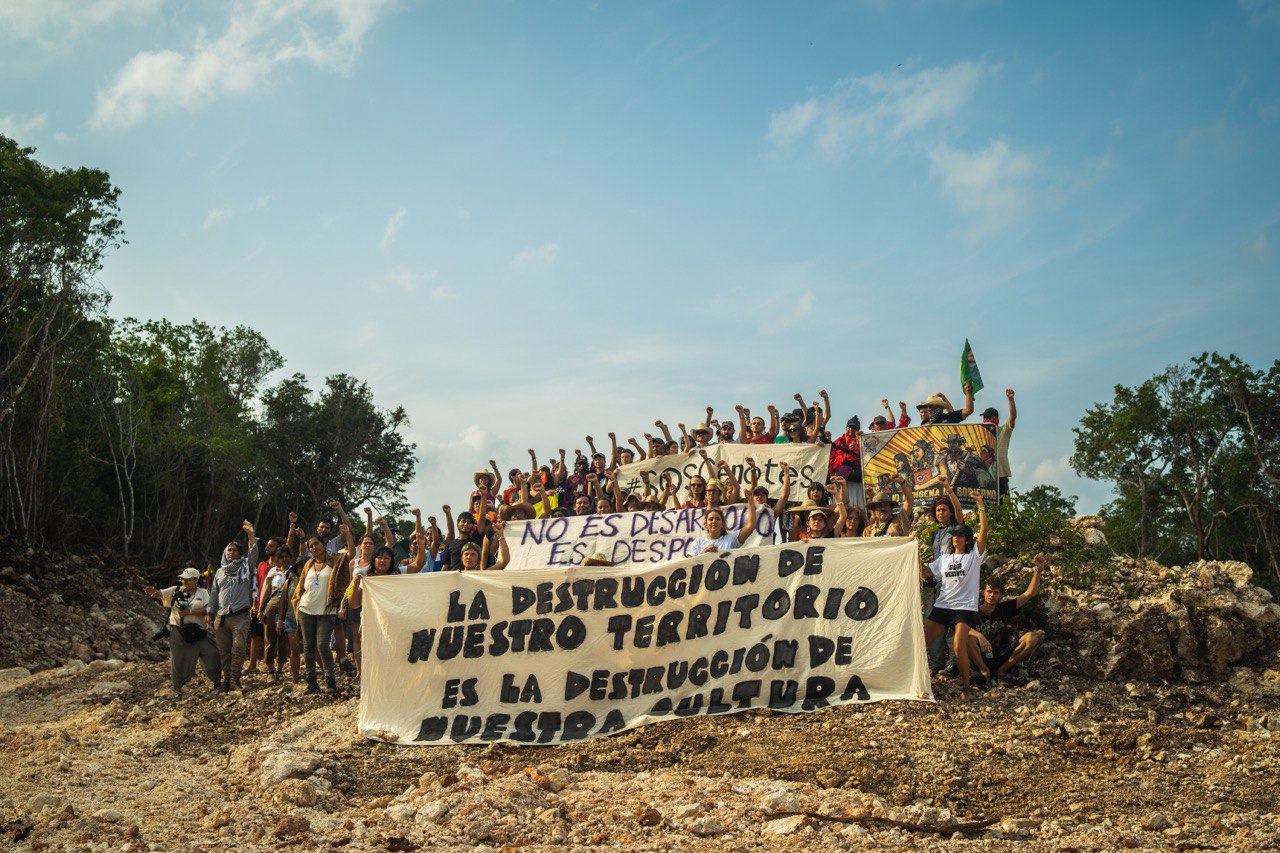
We leave with a heavy heart to see the cruelest form of murderous and voracious capitalism, but we also carry our hearts full of rage promising Mother Earth to fight to defend her, to defend us, today more than ever we need to understand that this struggle is for life.
Translator’s Notes
[1] FONATUR is the Spanish acronym for the Fondo Nacional de Fomento al Turismo (National Fund for the Promotion of Tourism).
[2] cenotes and aguadas – sink holes and water holes filled with potable water
Originally Published in Spanish by El Sur Resiste, Wednesday, May 3, 2023, https://www.elsurresiste.org/es/posts/dia-8-felipe-carrillo-puerto-quintana-roo-selva-maya-arrasada-por-el-tren-maya and Re-Published with English interpretation by the Chiapas Support Committee
Frontera Comalapa: A new armed group rises against the CJNJ and an Update
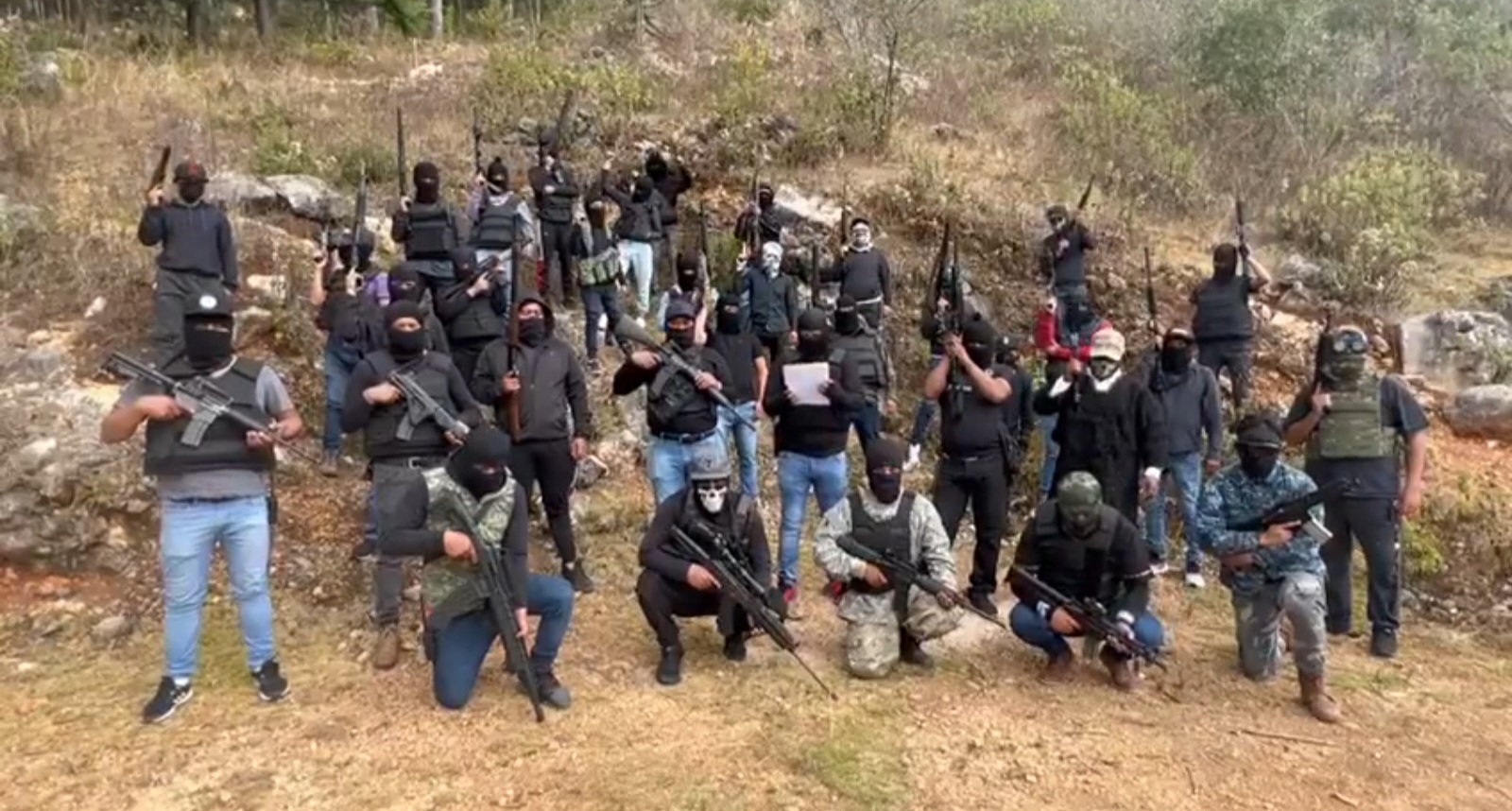
According to a video translated by Borderland Beat, “a new armed group has emerged in a video in the Chiapas municipality of Frontera Comalapa, Chiapas. Within this broadcast they claim to defend indigenous citizens from extortion by an opposing cartel. Their direct attack is against the Jalisco New Generation Cartel. The following video was recorded near Frontera Comalapa, Chiapas:” https://www.youtube.com/watch?v=IJVAQ9p-OP0
Borderland Beat translates the video as follows:
“To all authorities, communities and indigenous representatives. We’ve gathered today, Sunday, January 22, 2023. To announce the group called “Consejo Indígena” (Indigenous Council). The reason for this council is to defend our communities from extortionists, kidnappers of the so-called Jalisco New Generation Cartel. We know that they are extorting our communities under the command of Juan Valdovinos Mendoza aka “El Señor de los Caballos” (The Lord of the Horses) or Vladimir Lopez Orantes.
Let it be clear that we the indigenous brothers and sisters will not allow these rats to enter. We will defend our communities and our indigenous people. Any person who mentions these names in the communities we will bring order in our ways and customs. We also address the indigenous brothers and sisters of Chicomuselo. We will support them and not allow for them to fend for themselves because they are being harassed by the organization called El Maíz.
They are dedicated to extortion and have disappeared many of our indigenous brothers and sisters. We are publicly fighting against this organization called El Maíz. Vladimir Lopez Orantes aka El Ruso is the main boss ordering executions, disappearances, fee collections, and extortions here. He is originally from the town of Santa Teresa Llano Grande, municipality of Frontera Comalapa, Chiapas. Juan Valdovinos Mendoza aka Don Juan, is the leader of the Jalisco New Generation Cartel in Chiapas. He’s a compadre of Vladimir López …”
Source: http://www.borderlandbeat.com/2023/01/frontera-comalapa-chiapas-consejo.html
UPDATE
The whereabouts of 2 Chiapas ejido leaders, missing since March, are still unknown
By: Elio Henríquez, Correspondent
San Cristóbal de las Casas, Chiapas
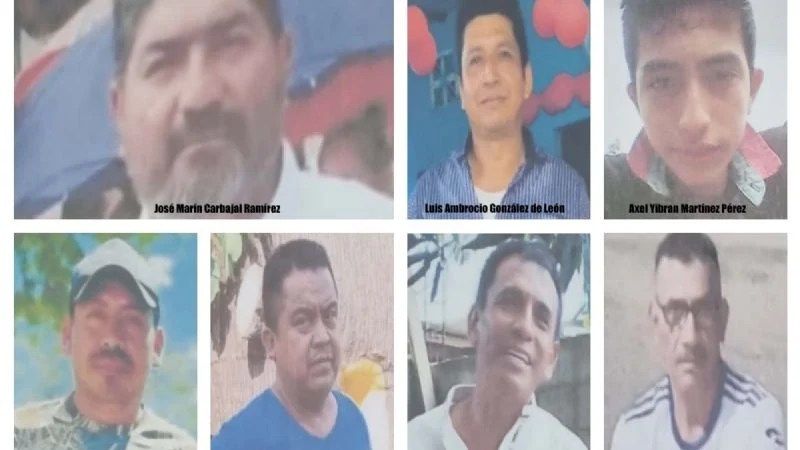
Yesterday, one month after the disappearance of Jordán Gordillo Genovez and José Marín Carvajal Méndez, president and secretary, respectively, of the Nueva Libertad ejido commission, in the municipality of Frontera Comalapa, residents claimed that “nothing is known about their whereabouts.”
“We have no indication of where they are, or who has them; We no longer know what to do or to whom we can turn to look for them,” said the locals, who requested anonymity.
“People in the community are very worried; Everyone wants to do something, but we don’t know what to do. Today (Saturday) marked a month since they disappeared and nothing is known about them,” they stressed.
They added that on Sundays and every night, the inhabitants of the town make prayer chains to ask that Gordillo Genovez and Carvajal Méndez return safely.
They recalled that the whereabouts of both have been unknown since March 22 after they crossed through the Center for Integral Attention to Border Transit (CAITF), located 10 kilometers from Comitán, which is permanently guarded by federal security forces.
They added that in total “seven members of the Nueva Libertad ejido and communal property directorate, where about 750 families live, disappeared, but five of them returned alive, little by little, safe and sound. The first of these was the secretary of the supervisory board, Axel Yibrán Martínez Pérez, 22, on March 25; four days later, treasurer Hernán Aguilar Morales, 57, and member Raymundo Sandoval Córdova, 51, arrived in the community on their own.
On April 2, the chairman of the supervisory board Luis Ambrosio González León, 53, and the treasurer Yobani Vázquez Méndez, 43, returned.
The villagers consulted explained that none of them wanted to give details of what happened “due to fear.” They also did not provide data on what happened to the managers who have not returned because, they said, they do not even know where they had them.
The seven men left Nueva Libertad on March 22, between 7:30 and 8 a.m., heading to Palenque for a tourist trip. However, once they passed through the CAITF, contact with them was lost.
Originally Published in Spanish by La Jornada, Sunday, April 23, 2023, https://www.jornada.com.mx/2023/04/23/estados/024n2est and Re-Published with English interpretation by the Chiapas Support Committee
Day 7: Valladolid, Yucatán, The people, like the jungle, always sprout
Mar, 05/02/2023
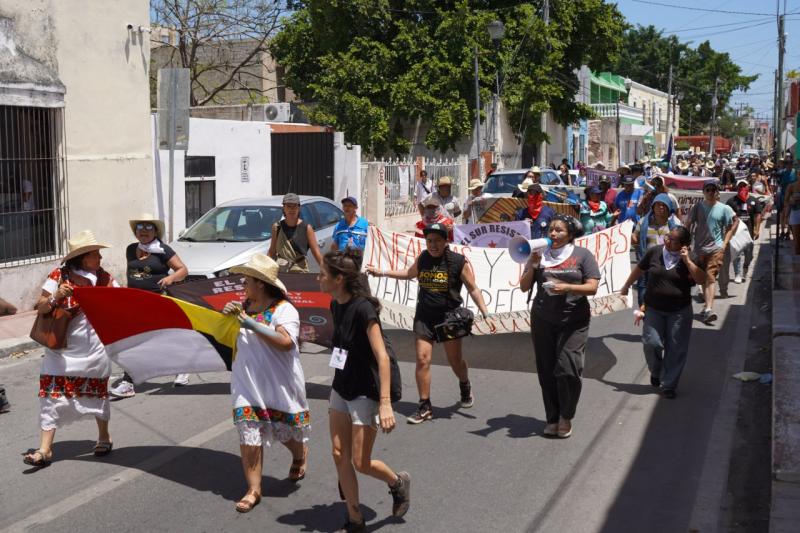
Day 7 of the El Sur Resiste |The South Resists Caravan begins with a ritual among all those who make it up: women and small children, youth and babies, as well as elderly people. Many come from other states of the Republic and also from other countries, but in this caravan we have walked together for the purpose listening to the pain of the Native Peoples and also to give voice to their resistance.
In the ritual, the compañeros of Casa Colibrí talk about remembering all the people and compañeros who have transcended this life, and the defenders of land who have been killed defending the territory. The need to remember that children and adolescents are the reason to fight to leave a better world in every way, including the right of children to a healthy environment, was also emphasized.
“Today I pledge that my actions as an adult will make a difference for children, where the value of our land and our culture is priceless, it is simply not for sale.”
Finishing the ritual, we set off towards the center of Valladolid. During the walk the compañeros and compañeras of the native peoples and all the collectives that accompany them shout loudly, Jungle yes, train No! Water yes, train No! Cenotes are not sold, they love and defend themselves!, That train is not Maya, that train is military!
Members of the caravan hand out flyers with information about the effects of the Mayan Train to the people of Valladolid who watch the march with interest, many recording with their phones and looking through the windows of their businesses, homes, and cars.
Violence and environmental destruction in Yucatan due to the imposition of megaprojects.
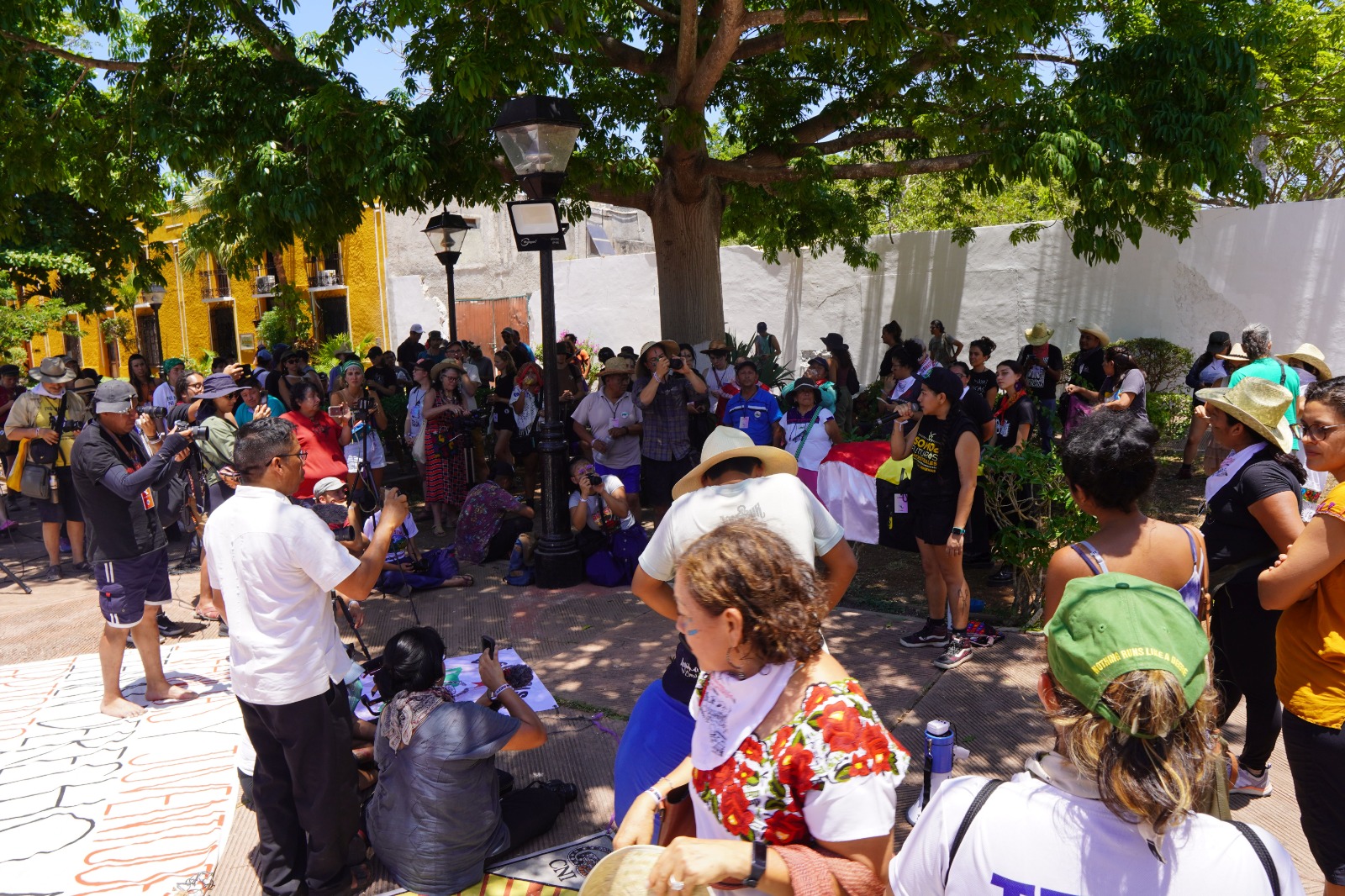
At the end of the march, a rally is held with people from different communities of Yucatan and other areas of the Peninsula. The compañeros and compañeras talk about the dispossession, environmental pollution, and violence they experience in their communities.
Valladolid: It talks about the city’s gentrification, and how for youth and new generations it is practically impossible to buy or acquire land in the city, thus violating the right to have a decent home. This has been caused by the arrival of tourism that sets aside the well-being of the people who are originally from this territory. Despite the critical situation of the state with respect to the destruction of the environment, the comrades who speak highlight the hope they have in continuing to work to change the situation and leave a better world for the next generations.
Xpujil Council, Calakmul: The council talks about the protection they have standing and with which they have tried to stop the construction of the Maya Train in their territory. The compañero talks about the use of the National Guard and the Army and especially the construction of a hotel that may have 162 rooms. This hotel is being built in the heart of the Calakmul reserve and has also been awarded to the Mexican Army like the rest of the Maya Train Project. This construction set off alarms because, if carried out, it would destroy one of the last preserved forests on the entire continent.
Cancún and Playa del Carmen: the compañero talks about all the destruction that the Maya Train Project is already causing in this area, such as the felling of 9 million trees just between Mérida and Xpujil. There is also talk of all the violence that the tourism model that has been promoted in Cancun and Playa del Carmen has generated (same model that will be applied with the construction of the Maya Train throughout the Yucatan Peninsula and in each of the territories it crosses). Forced disappearances, femicides and violence generated by drug cartels are three phenomena that have been shown to be interrelated with the arrival of megaprojects such as the Maya Train.
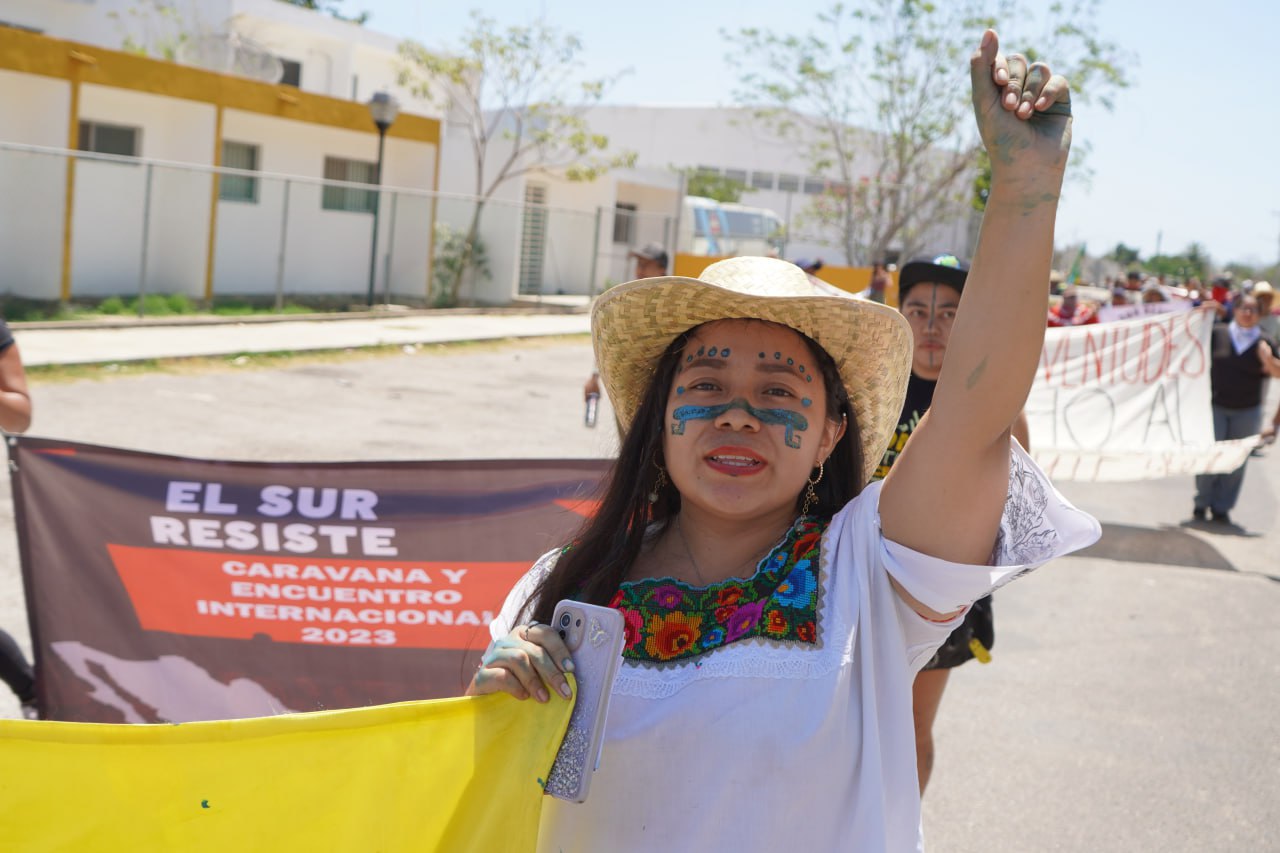
“We have over 9 million trees cut down after it was said that none were going to be cut down, because we have 9 million lies, lies spread out there as if they were anything.”
“We have the results of that development, we have Cancun as one of the most violent, most dangerous cities, thus hiding figures all the time, presenting beautiful figures of hotels, how many hotel rooms we have, how many jobs are generated, but they do not tell us at what cost “
Siltepech: The compañeras talk about their struggle in defense of the water in their territory that is at risk due to the increasing presence of mega pig farms, which have been shown to be highly contaminated by the waste they generate. It also mentions the criminalization of which Maya inhabitants of Siltepech have been victims, currently 8 members face criminal proceedings for defense of their territory. It also recalls the acts of police brutality and arbitrary detentions that took place against several participants after a march in support of the community of Siltepech in the city of Mérida, Yucatán.
“We want clean water; the water is ours.”
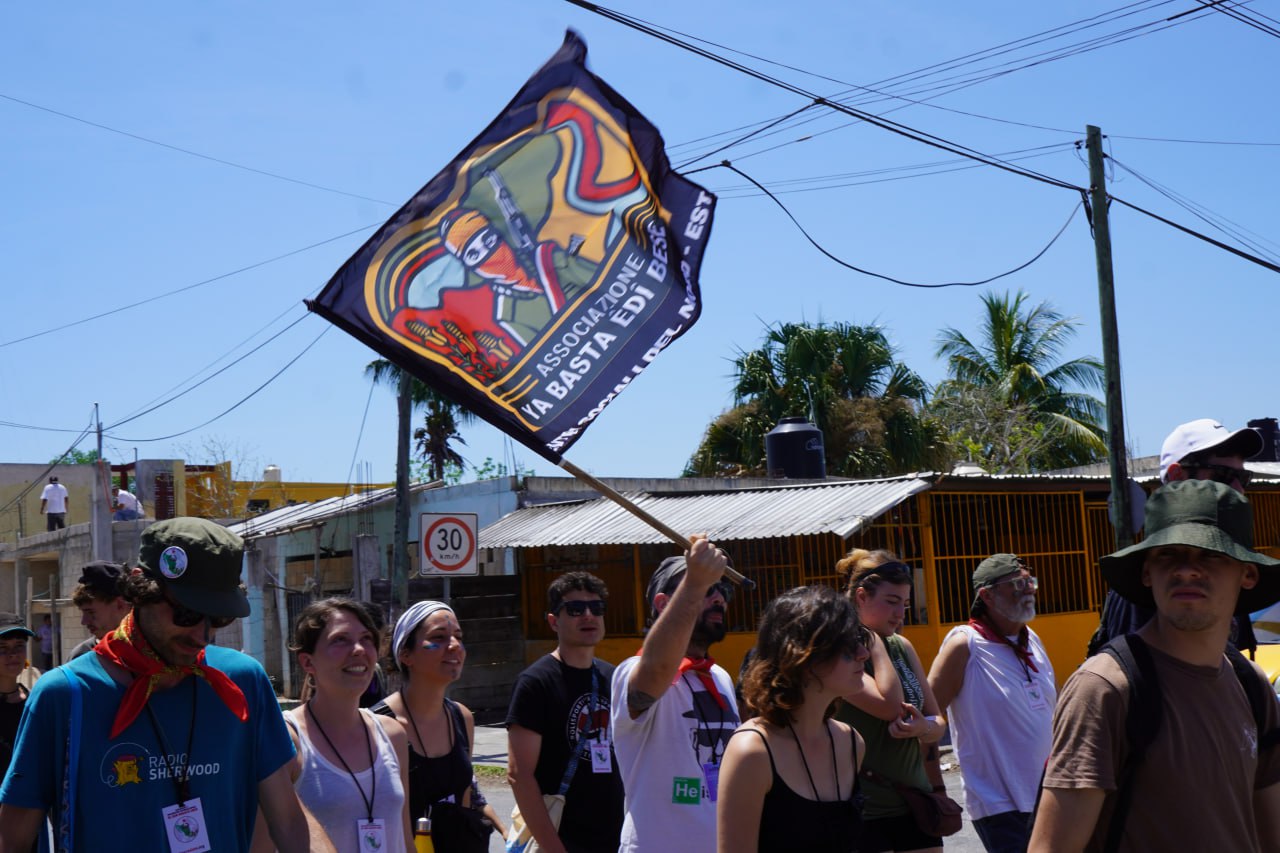
The voice of hope of young people
Chirro, a young man from the indigenous community of Oteapan, Veracruz – which was visited by Carava El Sur Resiste – spoke on behalf of his community with a hopeful message, full of vitality and strength.
Their participation makes it clear that young people are not the future, but the present; That in order to continue with this struggle we must listen to them, integrate them, share their vision, listen to their word, and understand that this struggle needs everyone.
Here’s part of his message:
“If we don’t have the territory, we’re not going to be able to take care of it. But I come to tell you, do not despair, as a people you have to resist because the jungle always sprouts. Because beetles and all the little animals seek their life in dry logs. They may want to fill us with concrete, but nature always defends itself and the peoples are that nature defending itself.
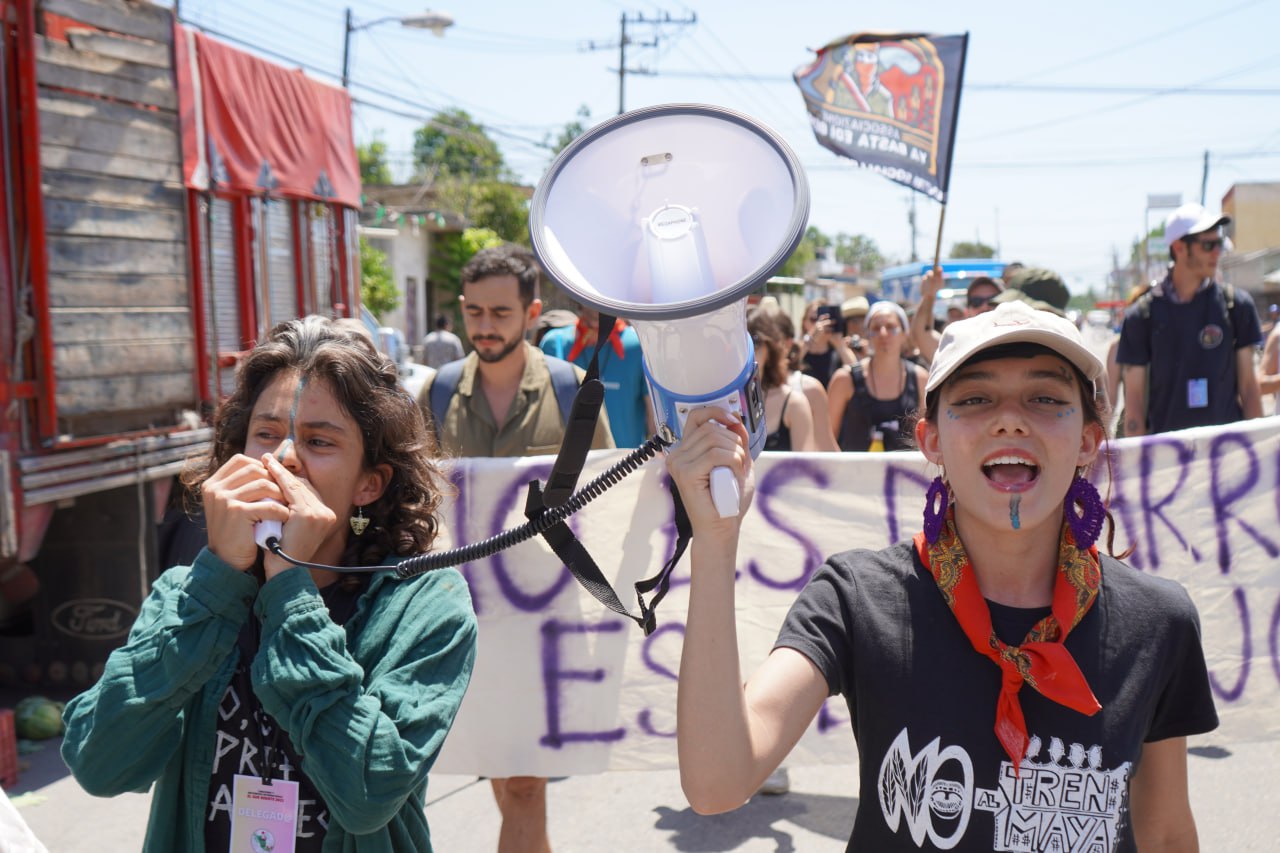
We are the mountain, we are the water, we are the animals. We can be the voice of bees, the jungle and everything that inhabits it.
We are focused on talking to other young people, we do it through music, video capsules, radio.
From the south of Veracruz we continue to resist, and that we must continue resisting because we are the mountain. Long live the Maya jungle”
The day in Valladolid ends by sharing “cochinita pibil” [1] that the compañeras prepare affectionately for the caravan. We leave for Felipe Carillo Puerto, Quintana Roo where they are already waiting for us with a cultural act in the center of the community. With music, theater, and poems we begin this day, because art is also resistance.
Translator’s Note
[1] A famous pork dish in Yucatan.
Originally Published in Spanish by El Sur Resiste, Tuesday, May 2, 2023, https://www.elsurresiste.org/es/posts/dia-7-valladolid-yucatan-el-pueblo-como-la-selva-siempre-retona and Re-Published with English interpretation by the Chiapas Support Committee
Day 6: Candelaria, Campeche: The Maya Train devastates the Candelaria River
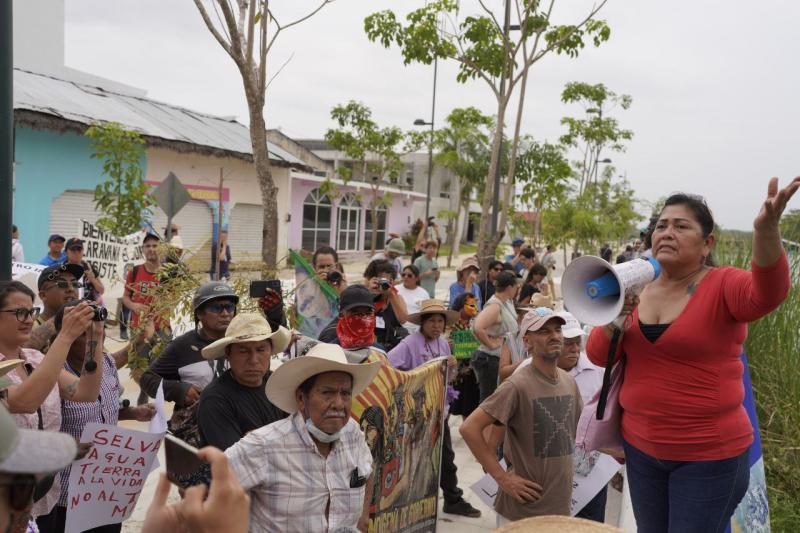
On day 6 of the El Sur Resiste Caravan, we arrived in the town of Candelaria, Campeche, one of the communities where the Maya Train project will pass and have a station; and where construction of new tracks is already underway.
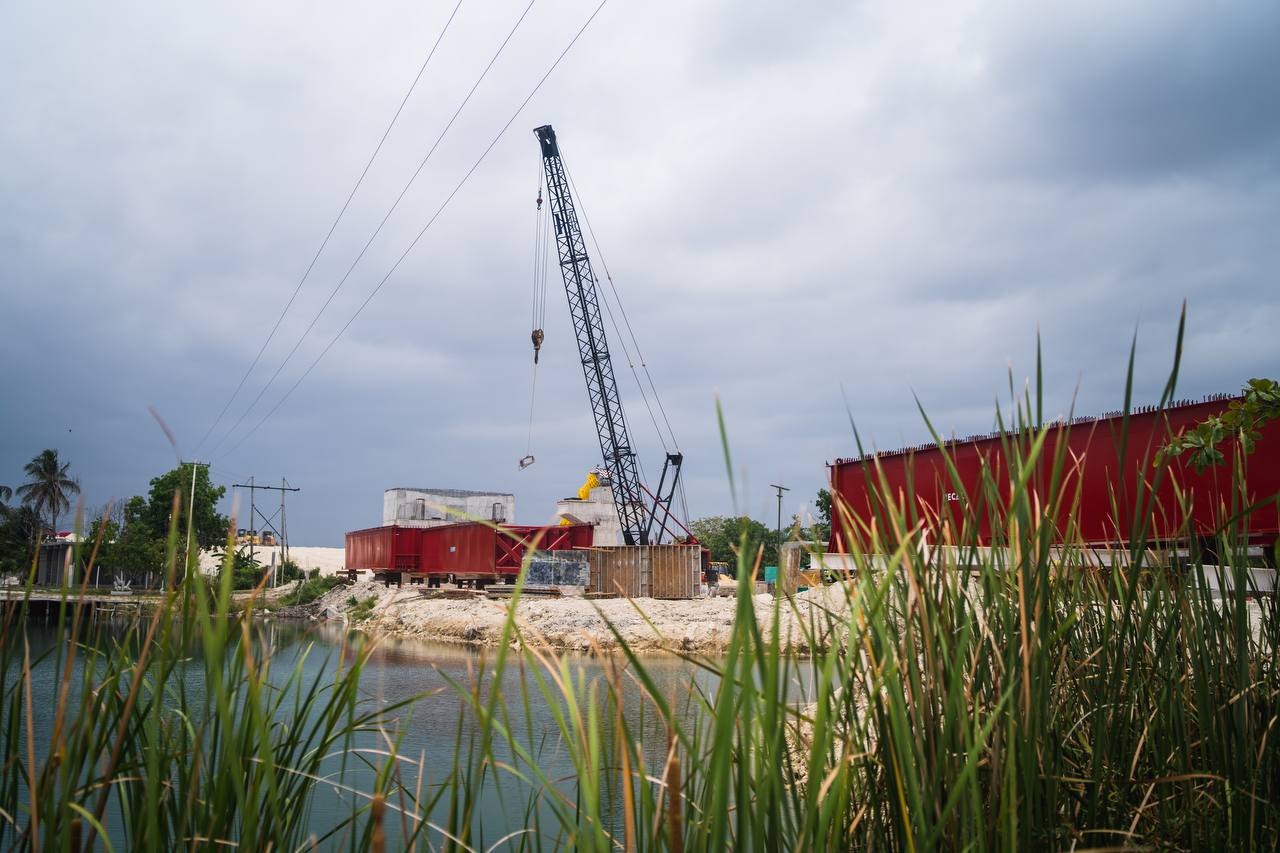
This is how it is seen on the main street: red steel beams cover almost the entire street while the houses of people who inhabit this municipality, look small next to the monstrous death project.
The day begins with a welcome ritual, where Bety Cariño is remembered, and in which Mother Earth is thanked for accompanying us. At the same time, strength is asked to continue with the defense of life in a country where death caused by capitalism is imposed through the power of bad governments.
The girls and boys who are part of the caravan light the fire of the ritual, today we also celebrate their resistance, and we remember that the struggle is also for them to have a future on this planet.
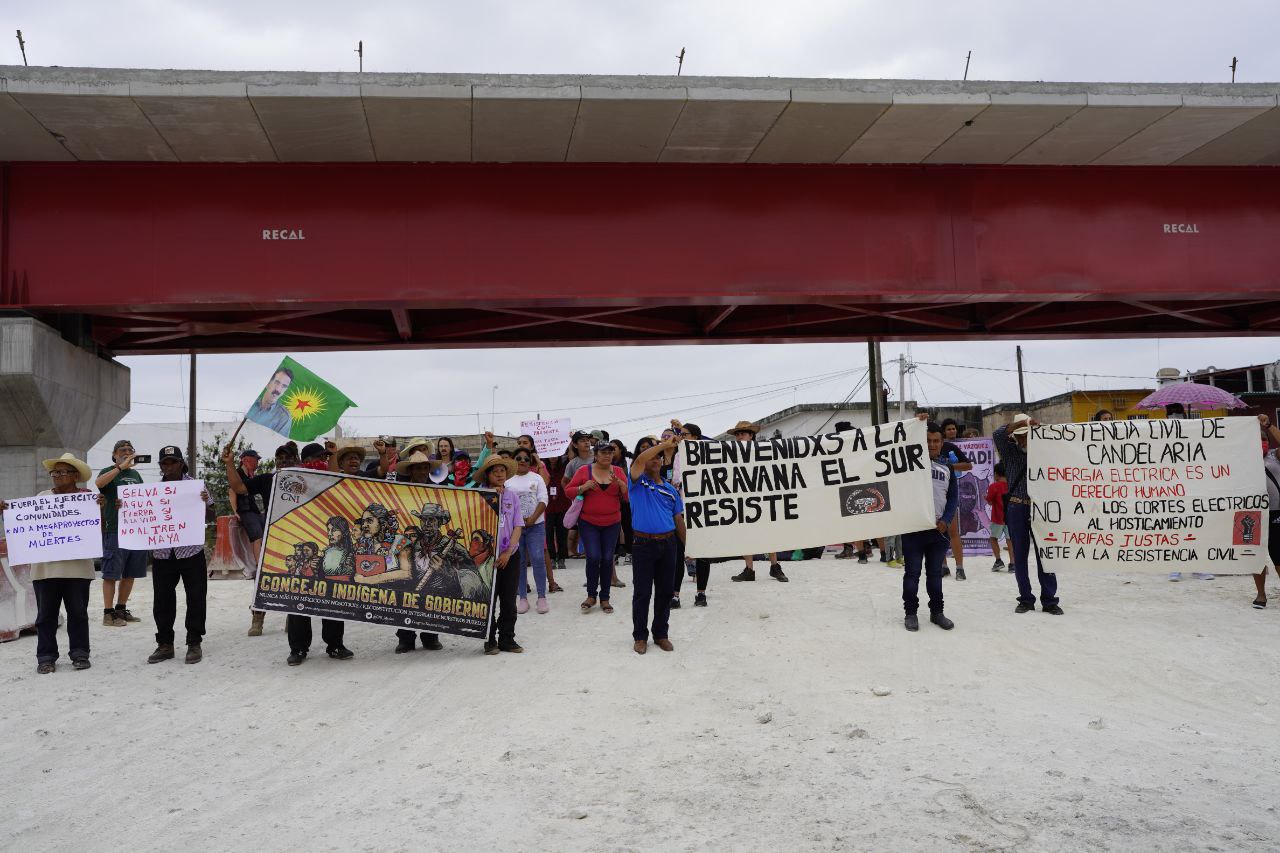
The day continues listening to the testimonies of inhabitants of La Candelaria, who explain the effects that the construction of the so-called Maya Train has generated in their community among which are:
Forced evictions: at least 300 houses have been evicted since the project was announced in this community; many of the families who do not want to sell their homes were harassed and pressured to accept monetary compensation.
Stomach and respiratory diseases: member of the community talk about an increase in illnesses of this sort since the start of the train’s construction, which they attribute to a worse quality of water, and constantly breathing materials and substances used in the construction. In fact, it is easy to notice how a white layer of dust that quickly sticks to clothing and body covers the entire enclosure due to its proximity to the construction.
Community division: the project has caused more divisions in La Candelaria between people who support the project because of the false economic benefits that the government of Mexico has announced, and people who oppose its construction because of the environmental and social destruction it will bring.
Loss of water bodies: among the most serious effects of the project is the filling of a part of the river with clean water that crosses the community. The community also mentions that wetlands within the community have also been filled in in order to continue with the construction of the death train.
After listening to the word of the compañeras and compañeros of Candelaria, and of other compañeros/as of communities that are part of the caravan, we went out to take the streets and shout together, This Train is not Maya, this train is military!
We walk the streets, some people in the community are uncomfortable with our presence, “We want progress,” shout some, the division that the speech of the president and his institutions such as FONATUR has generated are palpable in this community.
Almost at the end of the march, we reach the river, on the left side it looks wide and imposing, it seems to have no end and is surrounded by trees and nature; on the right side it has been covered by gravel and earth, only 10 meters have been left so that the water can continue to circulate; There are no trees anymore, just piles of dirt and a yellow bulldozer pushing dirt nonstop.
A colleague from the community takes the megaphone and asks us to observe and document the destruction of the river. The death brought by the so-called Maya Train is increasingly notorious in all the places where its construction continues despite multiple protections that have been ignored, thus violating the constitution of the country and the laws that the bad government requires the people to respect, but not the companies.
The compañero also mentions that the work related to the river was never consulted with the community, and the Environmental Impact Statement simply does not exist. A violation of the right to information, consultation of indigenous peoples, and Mexican laws.
After the march, the Caravan leaves for Valladolid; we follow the death route of the Train with the clear objective of making visible the destruction it already generates, but also to give voice to the resistance of people in communities like Candelaria who refuse to be silenced, and who continue to fight to defend life.
Originally Published in Spanish by El Sur Resiste, Monday, May 1, 2023, https://www.elsurresiste.org/es/posts/dia-6-candelaria-campeche-tren-maya-arrasa-al-rio-candelaria and Re-Published with English interpretation by the Chiapas Support Committee
 Chiapas Support Committee