Chiapas Support Committee
Home of the Compañero Manuel blog on zapatistas & mexico
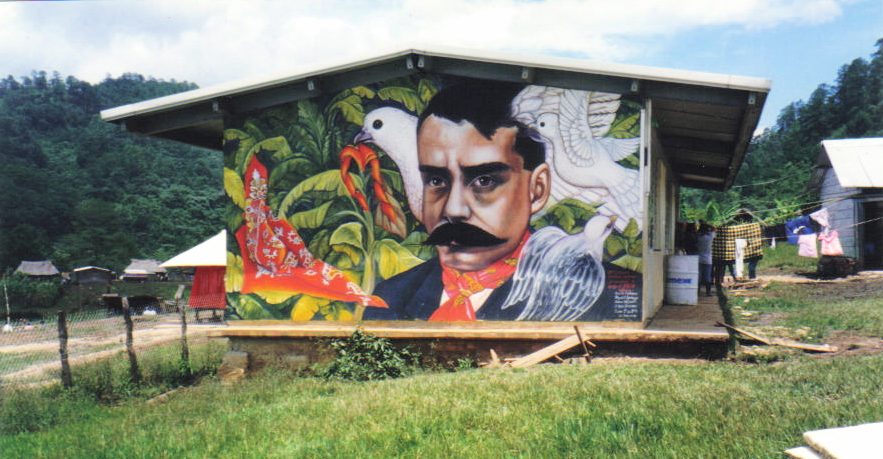
Does the government of Chiapas act on its own against the EZLN?
By Magdalena Gómez
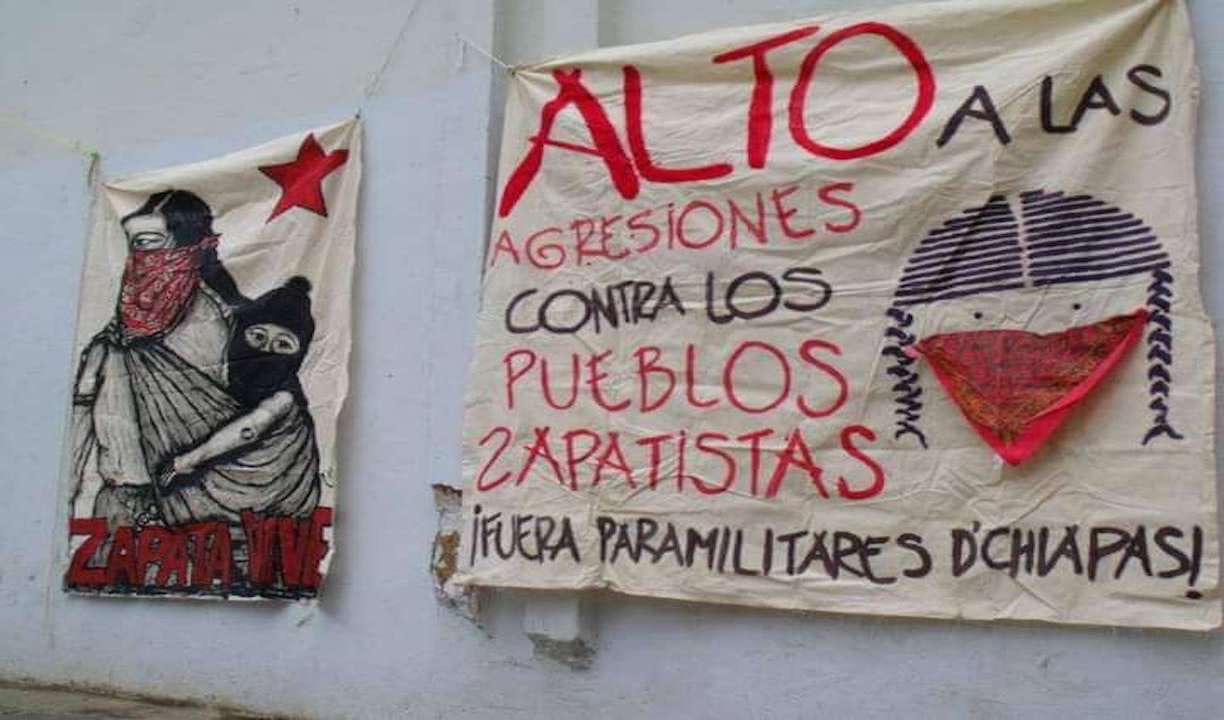
The aggressions against Zapatista communities by ORCAO (Regional Organization of Coffee Growers of Ocosingo), have remained in impunity throughout the years under successive state governments. The names of the participants are known and yet, the official networks of complicity and access to the resources of Orcao has permitted them to continue violent actions against diverse communities which are part of Good Government Councils of the EZLN. This situation is increasing just now in the time of the so-called Fourth Transformation with a governor from the current official party, Morena. On the 19th of September 2021 the Revolutionary Indigenous Clandestine Committee–the commandants of the EZLN–issued a strong communique titled “Chiapas on the brink of a civil war.” It referred to ORCAO as a paramilitary organization in the service of the government of Chiapas, and denounced the kidnapping by that organization 8 days before of two of its members, autonomous authorities of the Good Government Council of Patria Nueva, Chiapas. It recognized the work of Human rights organizations and the progressive Catholic Church; all of this at the same time that the Zapatista delegation was in Mexico City about to leave for Unsubmissive Europe. They were liberated the day of the communique, which enumerated the destabilizing actions of Rutilio Escandón, amount these aggressions against normal school students, violations of agreements with the democratic teachers union, alliances with groups of narcotraffickers whose bands systematically attack the communities of Aldama and Santa Marta. The very relevance of this positioning was the accompanying declaration, “We will take pertinent measures so that justice is applied to the criminals of Orao and officials who sponsor them. That is all, in another occasion there will not be a communique; there will not be words but acts.”
We recognize and value that the EZLN, despite multiple provocations over the years, has maintained a strict respect of the cease fire agreed upon and consigned into law for the dialogue of reconciliation and dignified peace in Chiapas of 1995. Now we ask ourselves if there is a clear political intention of the government of Chiapas in stretching to the limit the aggressions against the Zapatistas and placing them before the decision to respond to the armed attacks which rather than stopping are increasing. It would also be important to establish if Rutilio Escandón acts on his own or in behalf of the Mexican state. We remember that the Commission of Concordance and Pacification (Cocopa), still exists but it’s silence is ominous to say the least.
Just last week the Red de Resistencia y Rebeldía Ajmaq documented on May 2 the attack and forced displacement of the inhabitants of of the communities of Emiliano Zapata and La resistencia, both belonging to the Good Government Council of New Dawn of Resistance for Life and Humanity. In the official municipality of Ocosingo. Again ORCAO, in action against the the Zapatista support bases, led by Tomás Santiz Gómez, José Pérez, Antonio Juárez, Marcos López Gómez y Juan Gómez, shot at the inhabitants of of the previously mentioned communities, provoking displacement of 54 people (11 families). Three days later ORCAO attacked after midnight the community of San Felipe and fired into the autonomous community of La Resistencia. Half an hour later “a group of aggressors burned the Zapatista autonomous school and a garage resulting in the displacement of 29 people (four families).” In total 83 people (all Zapatista support bases) were displaced. Hopefully the artifice of “intra-community conflict” is not revived which the government of Chiapas has resorted to in the past. We don’t know how far the state be captured by factional powers.
The national situation is not in better health. In various regions original peoples are being attacked by forces that look to occupy their territories provoking forced displacement, while the Mexican State is amiss in guaranteeing their collective rights. We see this in the cases of the Rarámuris and the peoples of the Chululteca region in defense of water. Even though they have won judgments in courts of justice, justice is blocked. This is the case for the March for Dignity and Wixárika Consciousness on its way to Mexico City to demand that the president of Mexico return their lands.
An answer from the Mexican Federal government is urgent now to mark distance with the past in Chiapas and all of Mexico.
__________________________________________________________
Originally published by La Jornada May 10, 2022, here: https://www.jornada.com.mx/2022/05/10/opinion/015a1pol
Translated by the Chiapas Support Committee.
UPDATE: Zapatista Rebel Center for Spanish & Mayan Languages is Open: Apply Now to Study May 8-Sept. 1, 2023
Greetings Rebels:
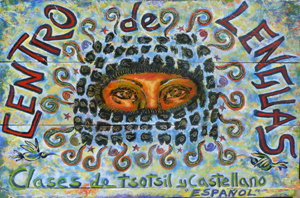
We would like to inform you that the Autonomous Zapatista Rebel Center for Spanish and Mayan Languages, CELMRAZ, will restart its activities as of July 25 of the current year, 2022, with new activities and modalities according to the new local, national and international contexts and always under the Zapatista principles and values for the defense of life and against that system of death called capitalism.
PLEASE NOTE: The Chiapas Support Committee can only provide accreditation for activists and organizers residing in the U.S. For other countries and regions, please contact CELMRAZ. Thank you.
NEW NOTE: Apply NOW to Attend Language School during May 8-Sept. 1, 2023
We would like to inform you that the Autonomous Zapatista Rebel Center for Spanish and Mayan Languages, CELMRAZ, is now accepting applications for the period between May 8 to Sept 1, 2023. You can apply to stay for one week or more, Monday Through Friday
CELMRAZ invites everyone who shares our ideals and fight to come to this space located in Caracol ll of Oventik and according to the information on our website: https://www.serazln-altos.org/celmraz.html
The Chiapas Support Committee can provide information about the language school and can accredit you to attend to learn or improve your Spanish or if you are a Spanish speaker to study Tsotsil. At the same time you will learn about Zapatista resistance and share your own resistance as you reside in Zapatista territory.
To get accredited, contact the CSC at enapoyo1994@yahoo.com or more directly contact CSC member Carolina in charge of accreditation at carolionsf@gmail.com
In a climate of siege against NGOs, Dora Roblero assumes the leadership of Frayba
By: Elio Henríquez, Correspondent
San Cristóbal De las Casas, Chiapas
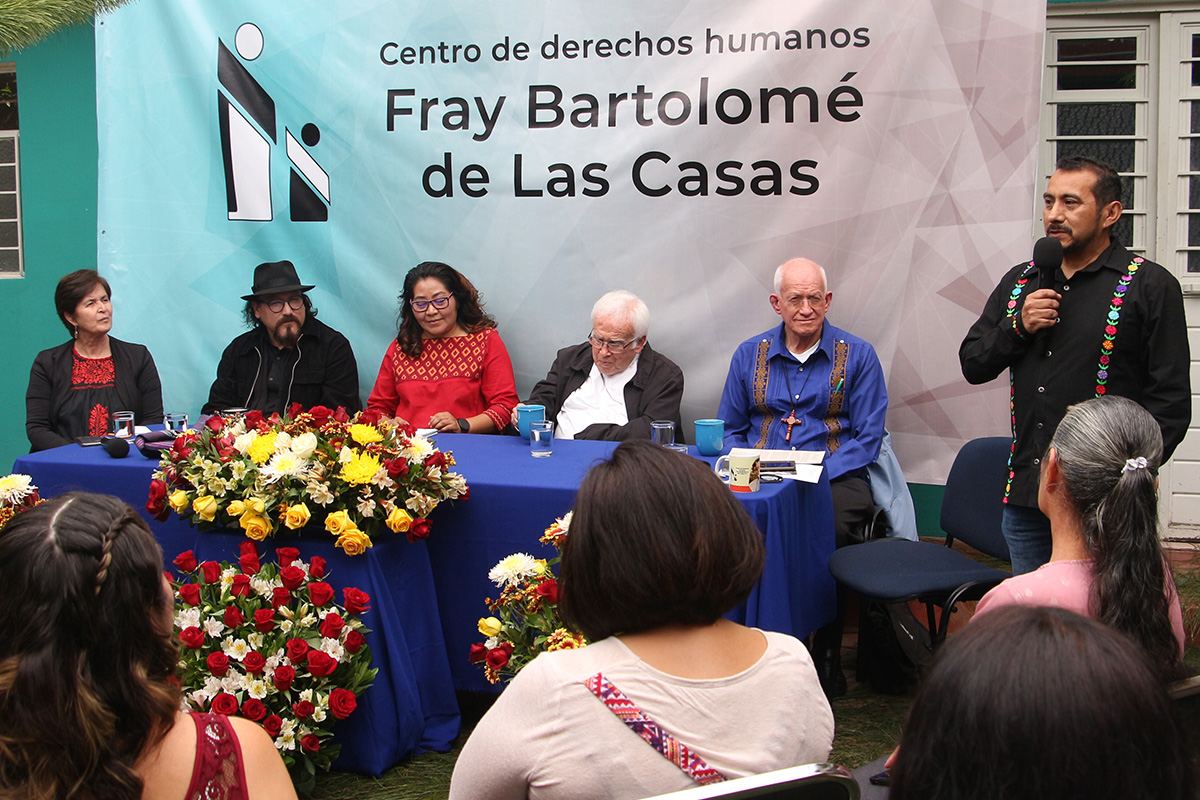
Dora Roblero, the new director of the Fray Bartolomé de Las Casas Human Rights Center (Frayba), took office yesterday, in a ceremony in which she reaffirmed her “commitment to walk together with the peoples who struggle and defend land and territory, those who exercise autonomy and self-determination in spite of adversities, omission and acquiescence of the governments, which in addition to administering the conflicts don’t carry out effective actions to stop and duly address the serious human rights violations that we experience in Chiapas.”
She assured that: “a common pattern persists in the federal and state governments: they murder, criminalize, threaten and torture those who defend human rights and life, in the midst of structural racism and discrimination.
“The generalized violence emanating from the dispute between organized crime groups for the control of territories and from the capture and complicity of institutions is intense, as well as the proliferation of different hardline actors who act with impunity.”
Added to the foregoing are: “the unresolved internal armed conflict, the renewed military presence, the exercise of self-government impelled from different community proposals and the constant attacks on Zapatista autonomy in the midst of an ominous silence of the Mexican government, as well as the impulse of megaprojects and social programs imposed on the communities, which favor community division and territorial dispossession.”
She stated that within the state “a humanitarian crisis exists around the phenomenon of internal forced displacement; around 14, 893 people have experienced this situation due to the generalized violence and constant impunity because of the ineffectiveness and omission of the Mexican State. Torture is also a generalized and systemic practice that remains installed as a mechanism for simulating justice and fabricating culprits, leaving a grave impact on the victims, their families and society.”
Roblero’s taking the oath of office, in substitution for Pedro Faro, was held in the Frayba offices with the presence of its president, Raúl Vera, bishop emeritus of Saltillo, Coahuila, and of members of the Board of Directors, as well as the head of the Diocese of San Cristóbal, Rodrigo Aguilar, and representatives of different civil society groupings.
Upon taking office for the next three years, the new director of the organization founded by the late Bishop Samuel Ruiz García in March 1989 said that “it will be a challenge” to lead the Frayba, where she has been working for 14 years, and although “I know that it’s not easy, I have a great team and many people who are accompanying me.”
==Ω==
Originally Published in Spanish by La Jornada, Tuesday, May 24, 2022, https://www.jornada.com.mx/2022/05/24/estados/024n2est, Re-Published with English interpretation by the Chiapas Support Committee
The right of self-determination of peoples and nations

By: Gilberto López y Rivas /Part 2
In the First World War there is an identification between the principle of nationalities and the right of peoples to align themselves, fundamentally through the Bolsheviks’ theory of political action, on the one hand, and on the other hand, the theory of US president Woodrow Wilson, who interprets this principle within the variant of self-government; that is, as the right of the governed to have a government that has their consent. Self-determination for Wilson is a synonym for popular sovereignty, which in the context of US tradition had a totally different meaning from the one that millions of people would give it in those years of war, for whom self-determination meant, more than anything, national independence. Wilson’s involuntary contribution to the history of self-determination, as an ideological resource of international relations in conflict, takes place in the context of the First World War, which represents the entry of the United States into the European political arena and the start of its preeminence in the international arena, without this preventing him from intervening militarily in Mexico, Cuba, Panama, Nicaragua, Haiti and the Dominican Republic.

At the other end of the political spectrum, Lenin elaborates theoretically and politically around self-determination as the right of peoples and nations to independence, to state separation, to the formation of their own states. For Lenin, self-determination was a democratic vindication that emerges precisely from the liberal principles of bourgeois democracy, although in his theoretical analysis he went beyond the liberal interpretation. In reality, the Russian Revolution was the decisive event that influenced the elaboration and radicality of this principio. In March 1917, the provisional government of revolutionary Russia announces that it wished to establish peace unilaterally, on the basis of the “right of nations to decide on their destinies.” Lenin and the Bolsheviks understood the value that national sentiment had to their goals of social transformation. Lenin achieved linking the socialist paradigm of proletarian internationalism with the bourgeois-democratic paradigm of the right to national self-determination. Starting with the same theoretical presupposition of Marx on world revolution, Lenin envisions –however– the importance of the national question as an element that would strengthen the struggle for socialism. In his “balance of the discussion on self-determination,” Lenin pointed out that socialists: “Must be in favor of taking advantage for purposes of the socialist revolution of all the national movements directed against imperialism. The purer the struggles of the proletariat against the imperialist common front are today, the more essential, obviously, will be the internationalist principle that ‘the people who oppress other people cannot be free.’” In a heated debate with Rosa Luxemburg, Lenin advocated for the recognition of the right to self-determination as the right to found an independent State of their own. Lenin, from his optic as a Russian revolutionary, sees allies in all the enemies of tsarism, including the nationalisms of oppressed countries, like Poland, thereby reaffirming the principle of national self-determination of peoples and nations. The great Leninist contribution was to theoretically and politically base the right to self-determination as one of the basic principles of co-existence between peoples and nations.

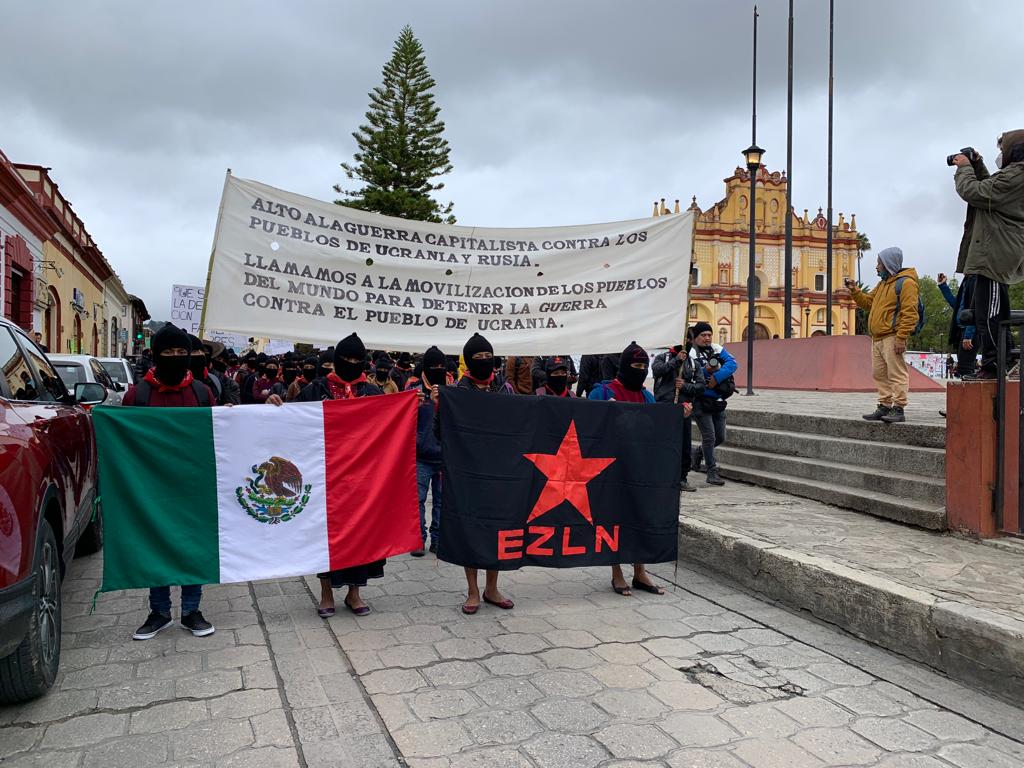
Despite the subsequent involution of the revolution under Stalin, which in fact denies this principle, Lenin made it clear that he was concerned about the national question. The last document dictated by Lenin refers precisely to the problems caused by Stalin in Georgia, his homeland: “It’s necessary to distinguish between the nationalism of an oppressor nation and the nationalism of an oppressed nation, between the nationalism of a large nation and the nationalism of a small nation… Regarding the second nationalism, the members of a large nation are almost always to blame for committing infinite acts of violence in the practical terrain of history; and even more: we commit endless acts of violence and offenses without taking into account… and I believe that in this case, regard to the Georgian nation, we witness a typical example of how the truly proletarian attitude demands extreme caution, delicacy and compromise on our part. The Georgian [referring to Stalin] who treats this aspect of the problem with disdain, who makes disparaging accusations of ‘social nationalism’ (when he himself is not only an authentic and true social nationalist, but also a crude Russia henchman), that Georgian violates, the basic interests of proletarian class solidarity.” Ukraine today?
==Ω==
Originally Published in Spanish by La Jornada, Friday, May27, 2022, https://www.jornada.com.mx/2022/05/27/opinion/014a2pol, and Re-Published with English interpretation by the Chiapas Support Committee
They protest due to the increase in assaults and kidnappings in northern Chiapas
This report is from a corner of Chiapas not usually associated with protests and marches. It evidences the extent to which organized crime has spread throughout Chiapas and the effect it has on peoples and communities.

HUNDREDS MARCH IN RAYÓN MUNICIPALITY
By: Elio Henríquez, Correspondent
San Cristóbal de Las Casas, Chiapas
Hundreds of residents from at least eight municipalities located in the northern area of the state, marched this Friday in Rayón, to demand peace and security and peace, because they assure that assaults and kidnappings have increased in the region.
The protest called Caravan for Unity and Peace against insecurity, was called by Franciscan priests and friars; residents de Rayón, Jitotol, Pueblo Nuevo, Rincón Chamula, Tapilula, Ixtacomitán, Chapultenango and Solosuchiapa [municipalities] participated.
Several priests, among the protestors
The protestors, among them several priests, left from a point known as the Mirador de Rayón and after walking three kilometers they reached the central park, where they held a rally.
Those in attendance carried signs with slogans such as: “United for Peace,” “Peace, justice and respect,” “Justice and peace in the world,” “No more violence and corruption,” “Peaceful March” and “we demand peace. No more extorsions from federal and state police. No more violence.”

The organizers expressed that: “the Franciscan zone is worried about the increase in assaults and kidnappings, which cause a grave climate of insecurity.”
During the rally, some speakers insisted that it’s necessary for the authorities to intervene to stop the insecurity that prevails in the state’s northern area.
“Today we are gathered together in Rayón, not only because this municipality suffers attacks from organized crime. Any of the communities in our area that want us to meet again to show strength and to demand that there be justice so that we can have security, we’re going to hear it,” said one of the friars.
He specified that due to the dynamic of the religious order, “there could be changes of some of us to other places, but that’s no reason to be indifferent to the situation we’re experiencing, we will support from where we are and we will be attentive and we will be in solidarity with what the people are walking.”
Representatives of different groups and organizations also attended the march, among them the Fray Bartolomé de Las Casas Human Rights Center.
==Ω==
Originally Published in Spanish by La Jornada, Saturday, May 21, 2022, https://www.jornada.com.mx/2022/05/21/estados/022n1est and Re-Published with English interpretation by the Chiapas Support Committee
The United States: a violent neighbor
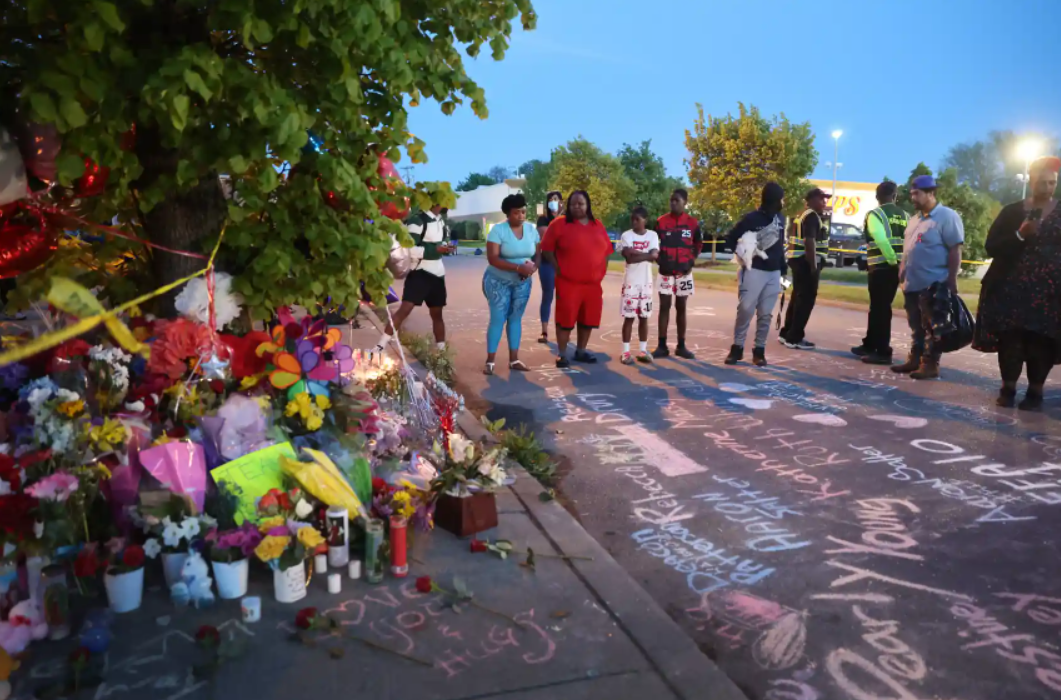
On the 2-year anniversary of the murder of George Floyd, as victims are still being laid to rest and remembered in Buffalo, and now another massacre in Texas, it seems worth reflecting how our neighbors in Mexico view these events.
A La Jornada Editorial
On May 14, a young man 18 years-old shot 10 people to death, and injured three more —the majority of whom were African American— in a supermarket in Buffalo, New York, motivated by the idea that in the United States there is a plan in place to replace the white European population with blacks and immigrants of various ethnic backgrounds. The mass-shooter live-streamed his crime in real-time on the Internet and declared himself a white supremacist and fascist when brought before a judge.
Episodes like this are shockingly common in our neighboring country and express an ingrained violence in countless citizens, as well as the prevalence of abominable racist beliefs in significant segments of the population.
A sign of the times, the explosion of social networks and the presence on them of ultra-right wing conspiratorial content make possible the trivialization of these massacres, their dissemination on specialized video game platforms and the feedback between the protagonists of hate crimes, as made evident by the Buffalo killer, who conceived of his raid as a tribute to perpetrators of other mass-shootings.
But beyond the ideologies and the technological uses, there is an underlying problem in the United States: the belief that problems both real or imagined — like the conspiratorial theory of population replacement — can be resolved through violence and murder.

That idea, which has an unfortunate expression in the elevated number of homicides in the United States, finds a deplorable parallel in Washington’s global policies, which place it as the primary planetary protagonist of wars and armed conflicts.
Another unavoidable aspect of this phenomenon is the pro-gun mentality that dominates a good part of the society of our neighboring country, in which there are more firearms in the hands of civilians than there are inhabitants. The free trade in arms from north of the Rio Grande is, furthermore, an undeniable factor in the criminal violence suffered in Mexico, whose criminal groups are easily supplied with handguns, assault rifles, and high-power weapons of war— like the Barrett rifle— in the U.S. market.
That is not, certainly, the only way in which the United States exports violence to our country. One of the obstacles to punishing those responsible for violent crime in Mexico is the number of Mexican criminals in the neighboring country that have benefitted from the witness protection program, such as the case of Dámaso López Serrano, El Mini Lic, identified as the mastermind of the homicide of Javier Valdez Cárdenas, the La Jornada correspondent in Sinaloa, who was executed May 15th, 2017 —five years ago now— in his birthplace of Culiacán.
In conclusion, it is impossible to analyze the phenomena of insecurity and criminality in Mexico without taking into account its proximity to a nation that is as sick with violence as it is powerful, and whose disease infects other nations in many ways.
==Ω==
Originally Published in Spanish by La Jornada, Monday, May 16, 2022, https://www.jornada.com.mx/2022/05/16/opinion/002a1edi Translated by Schools for Chiapas and Re-Published with English interpretation by the Chiapas Support Committee
Zibechi: the limits of protest as a form of struggle
By: Raúl Zibechi
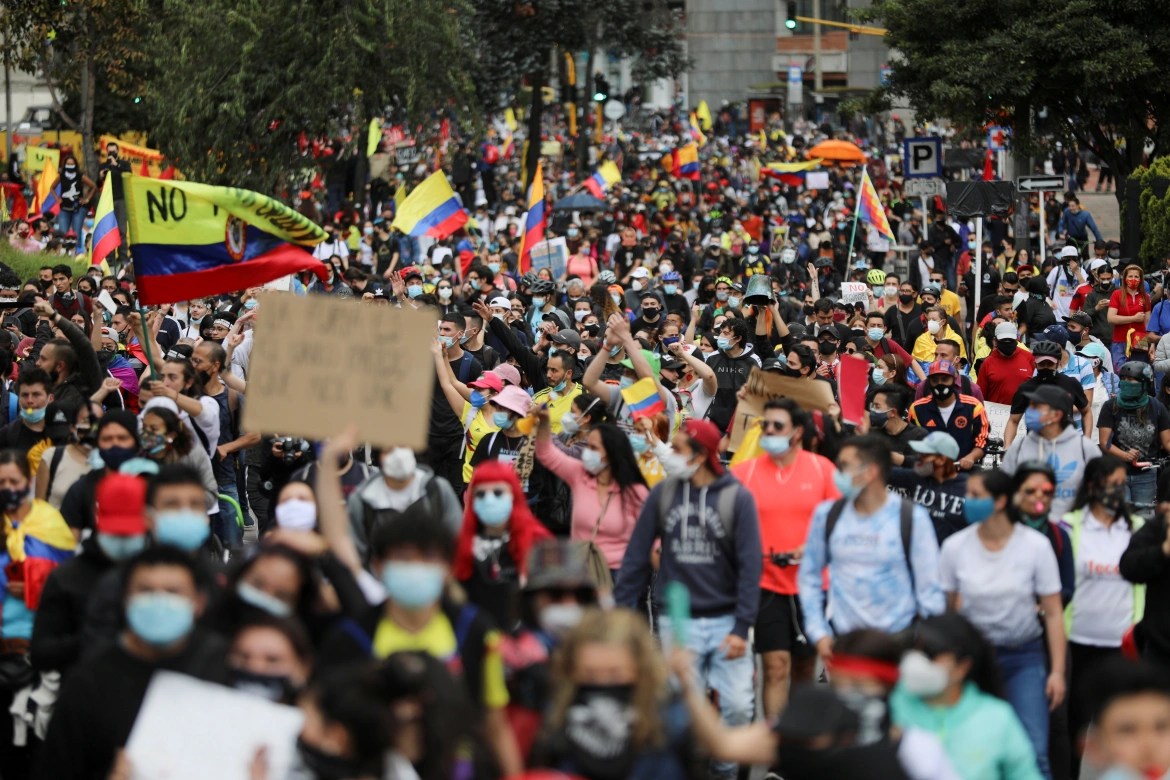
With his usual lucidity, William I. Robinson wonders if the worldwide wave of protests and mobilizations will be capable of confronting global capitalism (https://bit.ly/3MjvBsl). In effect, there has been an endless chain of protests and popular uprisings since the 2008 crisis. He recalls that in the years before the pandemic there were more than 100 large protests that brought down 30 governments.
He mentions the gigantic mobilization in the United States after the murder of George Floyd in May 2020, which he defines as: “an anti-racist uprising that brought more than 25 million people, mostly young people, into the streets of hundreds of cities across the country, the largest mass protest in the history of the United States.”
In Latin America the uprisings and revolts in Ecuador, Chile, Nicaragua and especially Colombia, had an extension, duration and depth rarely seen on this continent. The Colombian protest paralyzed the country for three months, showed impressive levels of popular creativity (such as the 25 resistance points in Cali) and ways of articulation between peoples, in the street, below, absolutely unprecedented.
Robinson recalls that the dominant classes pushed the cycle of mobilization back at the end of the 1960s and the beginning of the ‘70s, “through capitalist globalization and the neoliberal counter-revolution.” That was in the north, because in the global south they did it with pure bullets and massacres.
Towards the end of his article, he wonders “how to translate mass revolt into a project that can challenge the power of global capital.” The question is valid. In principle, because we don’t know how, because the governments that emerged after large revolts did no more than deepen capitalism and promote the disorganization of popular sectors.
Although we participate in large mobilizations and in riots, which are part of the political culture of protest, it’s necessary to understand their limits as mechanisms for transforming the world. We’re not going to abandon them, but we can learn to go further, to be capable of constructing the new and to defend it.

Among the limits that I encounter there are several that I would like to place in discussion.
The first one is that governments have learned to manage protest, through a range of interventions that range from repression to partial concessions that redirect the situation. For two centuries now, protest has become habitual, so that the ruling classes and the government teams no longer fear it like they used to, but above all they know how to see in it an opportunity to gain legitimacy.
Those above know that the key moment is the decline, when the fires of the mobilization are being extinguished and the tendency to return to daily life gains strength. For the protestors, demobilization is a delicate moment, since it can mean a setback if they have not been able to construct solid and lasting organizations.
The second limit derives from the trivialization of the protest due to its transformation into a spectacle. Some sectors seek to impact public opinion through this mechanism, to the point that the spectacle has become a new repertoire of collective action. Dependence on the media is one of the worst facets of this drift.
The third limit is related to the fact that the protestors don’t usually find spaces and times to debate what was achieved in the protest, to evaluate how to continue, what errors and mistakes were made. The most serious thing is that this “evaluation” is often carried out by the media or by academics, who are not part of the movements.
The fourth limit I encounter is that protests are necessarily sporadic and occasional. No collective subject can be in the street all the time because the wear and tear is enormous. So, the times for irrupting must be chosen carefully, as Native peoples have been doing, they demonstrate when they believe the time has come.
An equilibrium must exist between outside and inside activity, between exterior and interior mobilization, knowing that this is key to sustaining ourselves as peoples, to give continuity to life and to affirm ourselves as different subjects. It’s in moments of internal withdrawal when we affirm our anti-capitalist characteristics.
Finally, autonomy is not constructed during protests, but before, during and after. Especially before! Protest must not be something merely reactive, because in that way the initiative is always outside of the movement. Autonomy demands a long process of inner work and demands a daily tension to keep it going.
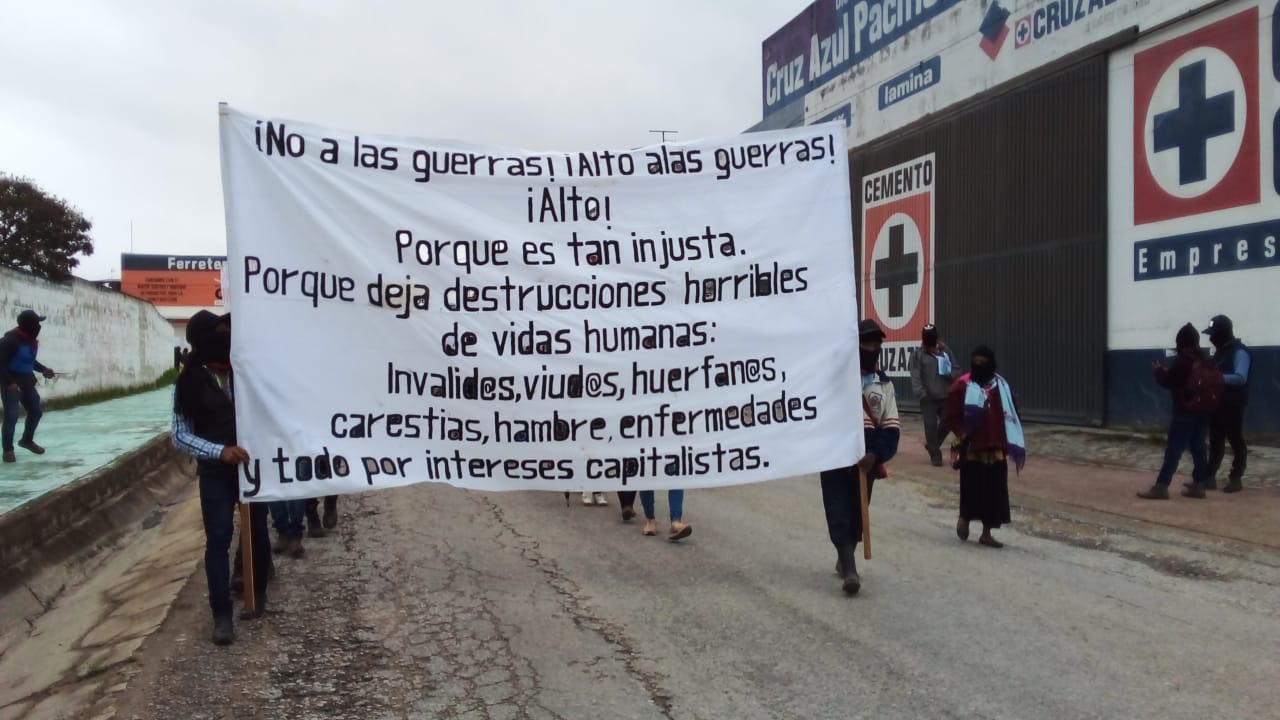
I feel that we owe ourselves, as movements and collectives, time for debate, because not reproducing the system supposes working intensely, without spontaneity, overcoming inertia to continue growing.
==Ω==
Originally Published in Spanish by La Jornada, Friday, May 20, 2022, https://www.jornada.com.mx/2022/05/20/opinion/015a1pol and Re-Published with English interpretation by the Chiapas Support Committee
They install an internal working group on mountain wetlands critical habitat
By: Yessica Morales, Editorial Staff
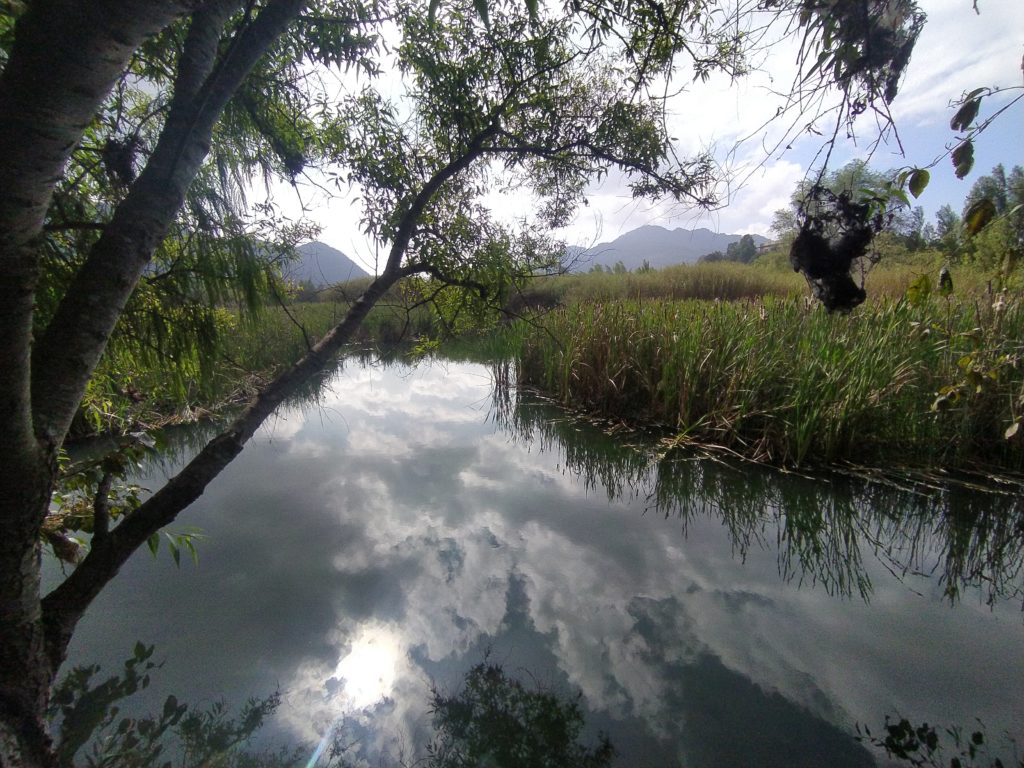
For almost a decade, citizen organizations have been denouncing the degradation of the wetlands that provide 70% of the water used in the city of San Cristóbal de Las Casas, Chiapas, located in southern Mexico.
The Ministry of Environment and Natural Resources (SEMARNAT) communicated that on May 9, 2022, the meeting was held for the Critical Habitat Internal Working Group for the mountain wetlands of San Cristóbal de Las Casas, for the purpose of coordinating the actions of the three levels of government for protecting the Kisst and María Eugenia Wetlands.
In said meeting, they established agreements fundamental for defense of the wetlands, among which the announcement of a protection and vigilance strategy stood out, as well as another one of conscientization and sensitization for working together with the inhabitants in the conservation of these important ecosystems.
During the session, Agustín Ávila Romero, General Director of Politics for Climate Change and in charge of the general direction of the National Institute of Ecology and Climate Change, pointed out that: “the wetlands are a key ecosystem in the fight against climate change.”
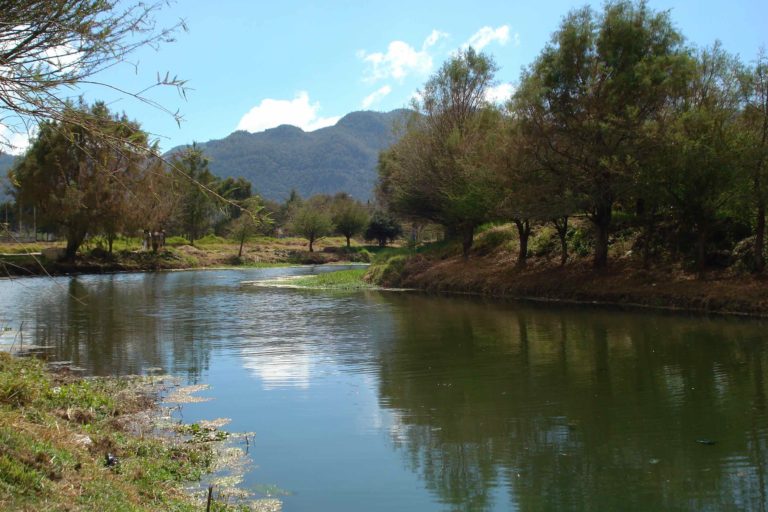
Likewise, I make clear the importance of these areas as subsistence habitats for species endemic to Mexico, such as the popoyote fish. An endemic species, whose distribution is limited to the basin of said municipality and in nearby rivers, is small (around 6 to 13 centimeters), a species in danger of extinction by official Mexican standards.
Representatives of the San Cristóbal de Las Casas districts (colonias) and members of academic institutions like the Autonomous University of Chiapas (UNACH), Intercultural University of Chiapas (UNICH), Autonomous National University of Mexico (UNAM), College of the Southern Border (ECOSUR) and the Autonomous University of Chapingo (UACh) participated in the meeting.
Those mentioned above, agreed to promote a popular environmental plan that allows contributing to the education and training of guardians of the wetlands in that municipality in the Chiapas Highlands, through the sum of efforts between communities and authorities.
They had the participation of representatives of different bodies like the National Institute of Ecology and Climate Change (INECC), the Federal Attorney for Environmental Protection (PROFEPA), the National Commission for Natural Protected Areas (CONANP), the National Forestry Commission (CONAFOR) and the National Water Commission (CONAGUA), the Attorney General of the Republic (FGR) and the National Guard (GN) in the installation of the group.
María del Rosario Bonifaz, Secretary of Environment and Natural History participated for the Chiapas government (SEMAHN), as well as Mariano Alberto Díaz Ochoa, municipal president, for the government of San Cristóbal.
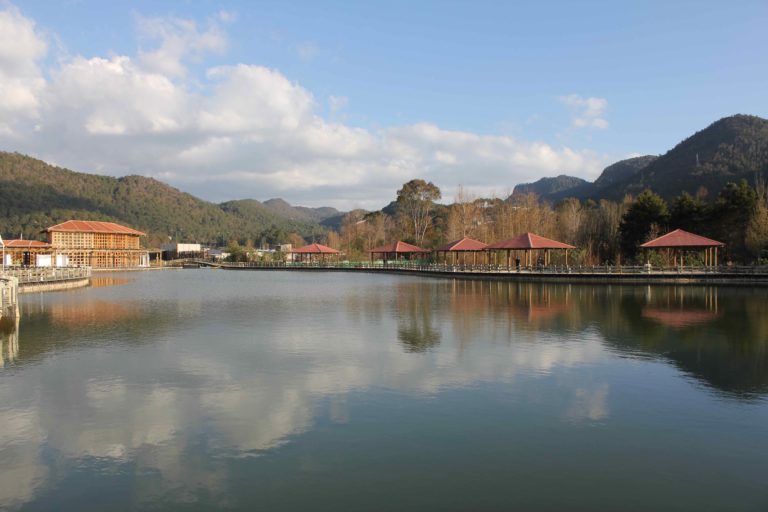
Water is life, not a commodity
It’s appropriate to remember that, the “I prefer water and health” campaign commemorated last May 3, Holy Cross Day, in gratitude for water and to recognize it as an element that transcends people’s lives, as well as every living being on the planet.
The vital liquid is part of the body, food and the common house. That’s why, through a manifesto they indicated that water is life and is sacred, and is not a commodity, therefore water has the right to flow clean and free through its natural channels, as well as being a resource for all living beings.
In the case of the mountain wetlands, they pointed out that since they are fragile ecosystems, refilling them is ecocide. Along with the Jovel Valley’s hills, rivers and springs, they are considered as their home; for that reason, both citizens, rulers and institutions are obliged to protect them.
We are polluting the water in this city, let’s look for solutions to clean it up with efficient and viable eco-techniques. Excessive extraction of water is drying up the deep wells, it is inadmissible to permit irresponsible concessions. The corresponding authorities must respect the international mandate of the human right to safe drinking water and to sanitation, they explained in the manifesto.
==Ω==
Originally Published in Spanish by Chiapas Paralelo, Tuesday, May 10, 2022, https://www.chiapasparalelo.com/noticias/chiapas/2022/05/instalan-grupo-de-trabajo-interno-de-habitat-critico-de-los-humedales-de-montana/#:~:text=Instalan%20grupo%20de%20trabajo%20interno%20de%20h%C3%A1bitat%20cr%C3%ADtico0de%20los%20humedales%20de%20monta%C3%B1a,-Por%20Redacci%C3%B3n%20Yessica&text=Desde%20hace%20casi%20una%20d%C3%A9cada,ubicado%20al%20sur%20de%20M%C3%A9xico. and Re-Published with English interpretation by the Chiapas Support Committee
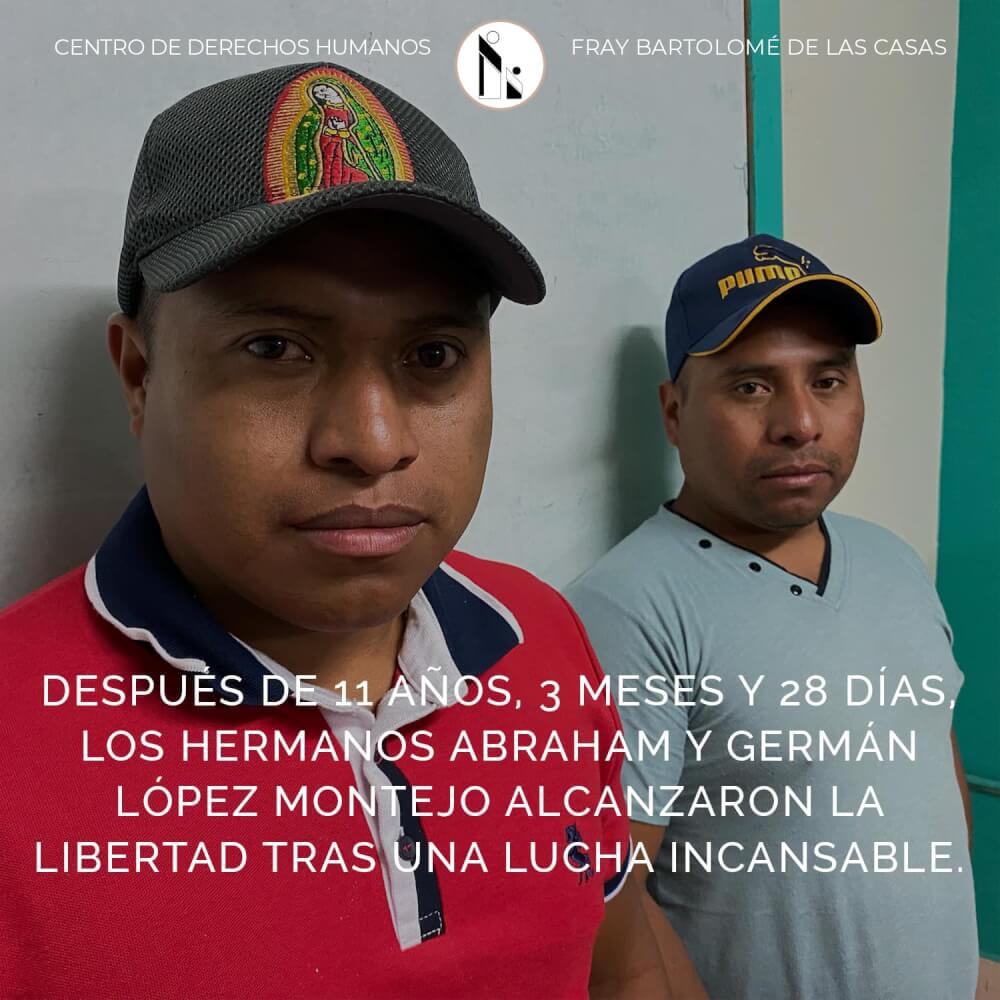
The López Montejo brothers are free after 11 years in prison
By: Yessica Morales
*Abraham and Germán were arrested on January 17, 2011, being arbitrarily deprived of their freedom and each one sentenced to 75 years in prison [for murder].
The brothers Abraham and Germán López Montejo [1] were set free after 11 years, 3 months and 28 days behind bars in the Center for Social Reinsertion for those Sentenced (CERSS) No. 5 in San Cristóbal de Las Casas.
That said, the Fray Bartolomé de Las Casas Human Rights Center (Frayba) announced that after their long struggle to show their innocence and the grave human rights violations committed against them, on May 16, 2022, the Judge of First Instance in Criminal Matters dictated immediate freedom “due to a lack of evidence proving the elements of the crime.
In other words, during these eleven years there was insufficient evidence to prove the brothers’ responsibility. Added to that, in March 2019, Abraham and Germán risked their life by going on a 135-day hunger strike, together with their compañeros Marcelino Ruíz Gómez, Juan de la Cruz Ruiz and Adrián Gómez Jiménez in order to show their innocence.
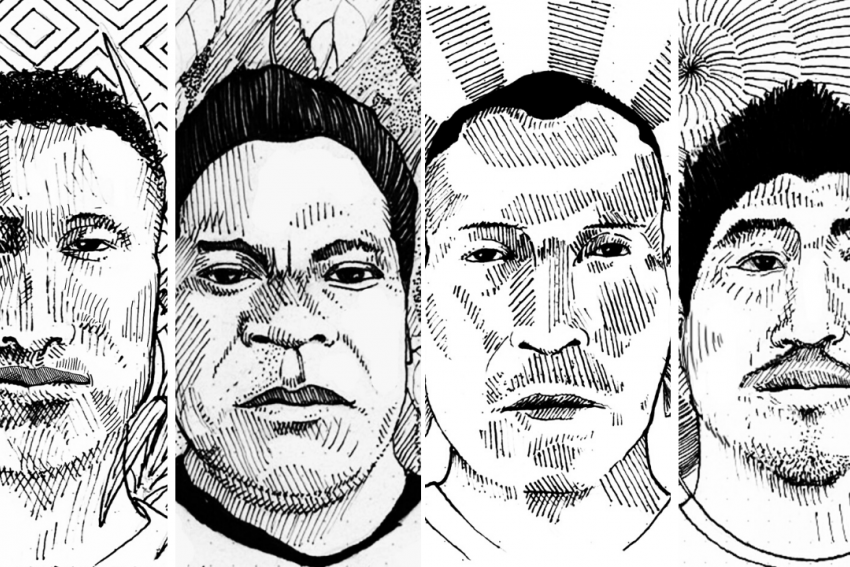
We demand that the Mexican State fully comply with Opinion 43/2021 of the United Nations Working Group on Arbitrary Detention.
Similarly, former prisoner Marcelino Ruiz, who was set free after 20 years, 3 months and 2 days, suffered arbitrary detention and was a victim of torture. He called for compliance with Opinion 43/2021 of the UN’s Working Group on Arbitrary Detention.
The Opinion, apart from the immediate freedom the prisoners in struggle Abraham and Germán López Montejo, demands that comprehensive reparations be made.
It should be remembered that within the framework of its 91st period of sessions, from September 6 to 10, 2021, this Working Group approved Opinion 43/2021, corresponding to the deprivation of freedom of those already mentioned.
Likewise, it determined that the Mexican State did not comply with international norms relative to the right to a fair and impartial trial, in addition to its discriminatory position ignoring the equality of human beings, based on their ethnic or social origin and language, lack of medical care, among others.
[1] While in prison, Abraham and Germán López Montejo were members of The True Voice of El Amate, which means they were adherents to the EZLN’s Sixth Declaration of the Lacandón Jungle
==Ω==
Originally Published in Spanish by Chiapas Paralelo, Tuesday, May 17, 2022, https://www.chiapasparalelo.com/noticias/chiapas/2022/05/despues-de-11-anos-indigenas-son-liberados-por-falta-de-elementos/ and Re-Published with English interpretation by the Chiapas Support Committee
Maya Train: judge ordered the provisional suspension of construction on Section 5 south
The claim for amparo, filed by a group of divers, points to the absence of an environmental impact statement
Infobae Newsroom
April 19, 2022
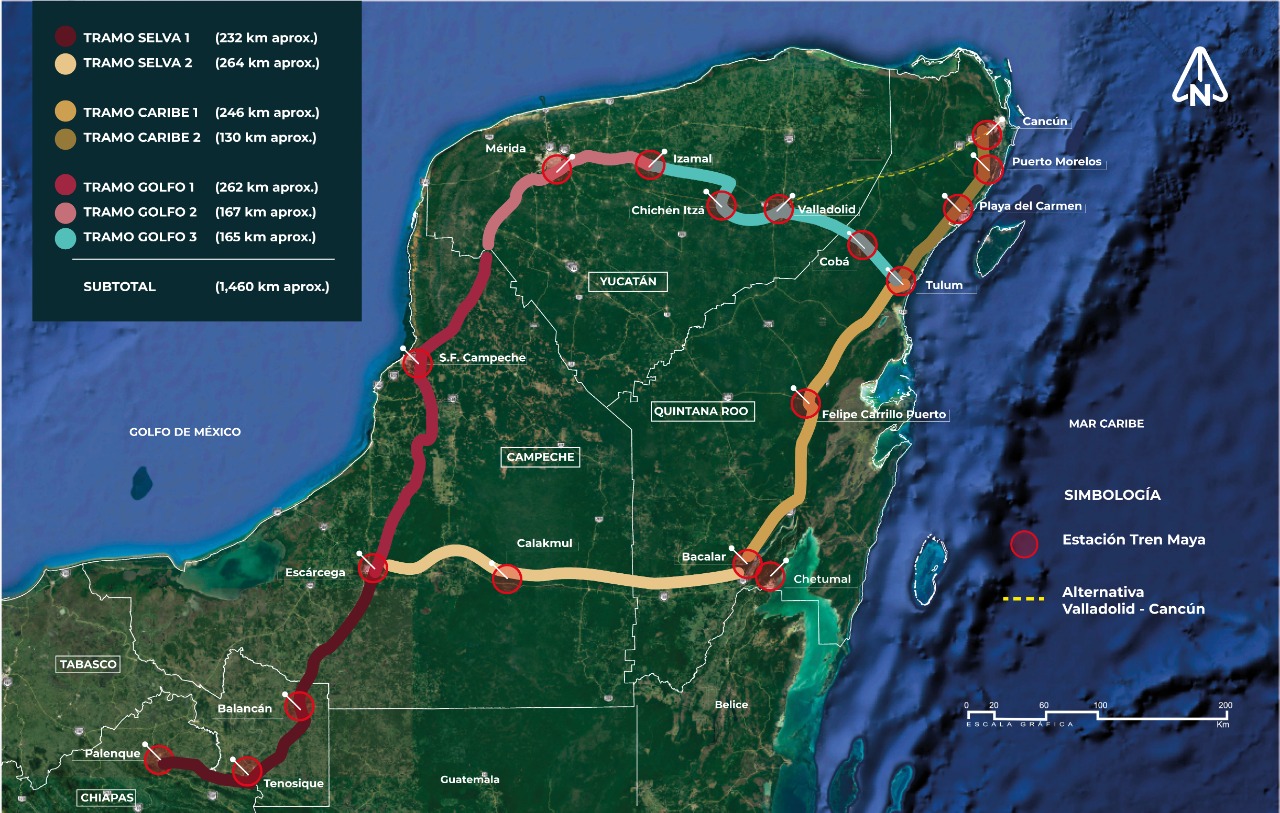
A judge in the state of Yucatán granted the provisional suspension of Section 5 south of the Maya Train after a group of divers filed a claim for an amparo (a suspension) for not having an environmental impact statement. [1]
This was announced by the Defending the Right to a Healthy Environment (DMAS) association through a statement shared on its social networks, in which it says that, after three weeks, the First District Court admitted the issue and notified them on Monday, April 18 of the suspension.
The agreement, dated April 12, provides for the suspension of any act aimed at continuing the construction of Section 5 South, which runs from Playa del Carmen to Tulum and covers an area of 60.3 kilometers, so that the execution of works related to its infrastructure will not be allowed, as well as the removal of destruction of the biodiversity of the area.
The Defending the Right to a Healthy Environment organization (DMAS, Defendiendo el Derecho a un Medio Ambiente Sano) celebrated the provisional suspension for Section 5 South (Foto: Twitter@AcDmas)
The amparo was filed on Thursday, March 24, before the Ninth District Court by the DMAS and a group of speleologists and divers residing in Playa del Carmen, but was subsequently referred to the First Court through an agreement with the Council of the Federal Judiciary (CJF).
They pointed out that, even without having the environmental impact statement, deforestation took place in Playa del Carmen, Rio Secreto, Akumal and Tulum. They also indicated that this section will cross underground rivers that will be affected, since they run from west to east and the preliminary line is from north to south.
Meanwhile, the Ministry of Agrarian, Territorial and Urban Development (Sedatu), the Ministry of National Defense (Sedena) and the National Fund for the Promotion of Tourism (Fonatur) were the petitioned authorities, according to file 884/2022. According to El Financiero, it will be on April 22 when it will be determined whether to grant the definitive suspension.
It should be remembered that Section 5 South of the Maya Train is run by Grupo México and the Spanish company Acciona. It will have two stations (Tulum and Tulum Airport) and three stops (Xcaret, Puerto Aventuras and Akumal). However, various civil organizations, such as that of the French oceanographer Jean Michel Cousteau, have pointed out that construction in that area is not viable because of the karst soil on the peninsula.
As a result, on 28 March a group of Greenpeace activists chained themselves to the machinery occupied for this stretch as a form of symbolic protest, on the grounds that the General Law on Ecological Balance and Environmental Protection (Lgeepa) was being violated, since articles 170 to 174 were being violated stipulate sanctions if the environmental impact statement is not presented or is not complied with.
Similarly, a group of celebrities joined the campaign “Sélvame del Tren” to protest against the construction of Section 5 of Andrés Manuel López Obrador’s megaproject, as it would affect underground rivers, cenotes and the ecological balance of the area. Eugenio Derbez, Kate del Castillo, Natalia Lafourcade, Rubén Albarran, Omar Chaparro, Ana Claudia Talancón and Bárbara Mori participated in this event.
[…]
The investment for this mega-project is 200 billion pesos and covers an area of 1,554 kilometers that will pass through the states of Tabasco, Chiapas, Campeche, Yucatan and Quintana Roo through 7 construction sections, as well as 18 stations and 12 stops.
[1] On May 12, 2022, a collegiate court of appeals upheld the provisional suspension issued by the First District Court on April 18, 2022. https://www.jornada.com.mx/2022/05/14/politica/003n2pol
==Ω==
Originally Published by Infobae, April 19, 2022, https://www.infobae.com/en/2022/04/19/tren-maya-judge-ordered-the-provisional-suspension-of-construction-of-stretch-5-south/ Edited and Re-Published by the Chiapas Support Committee
 Chiapas Support Committee