Chiapas Support Committee
Home of the Compañero Manuel blog on zapatistas & mexico
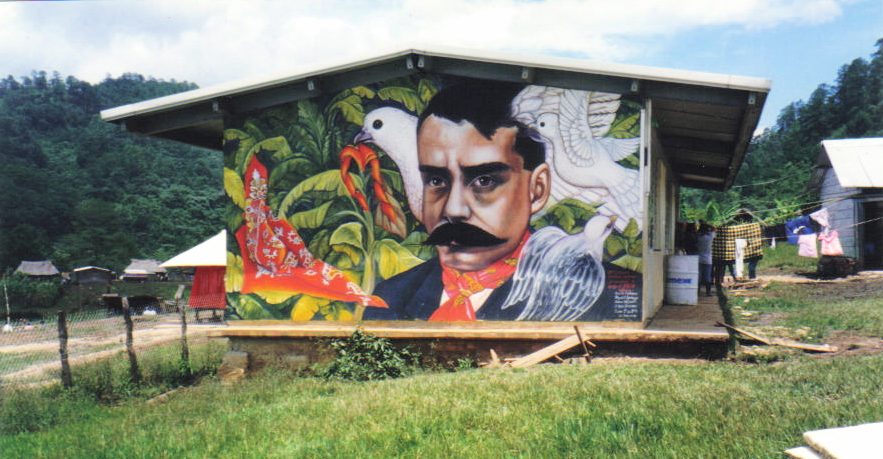
“The Territory is ours and we will defend resisting”

By: Diana Manzo / IstmoPress News Agency
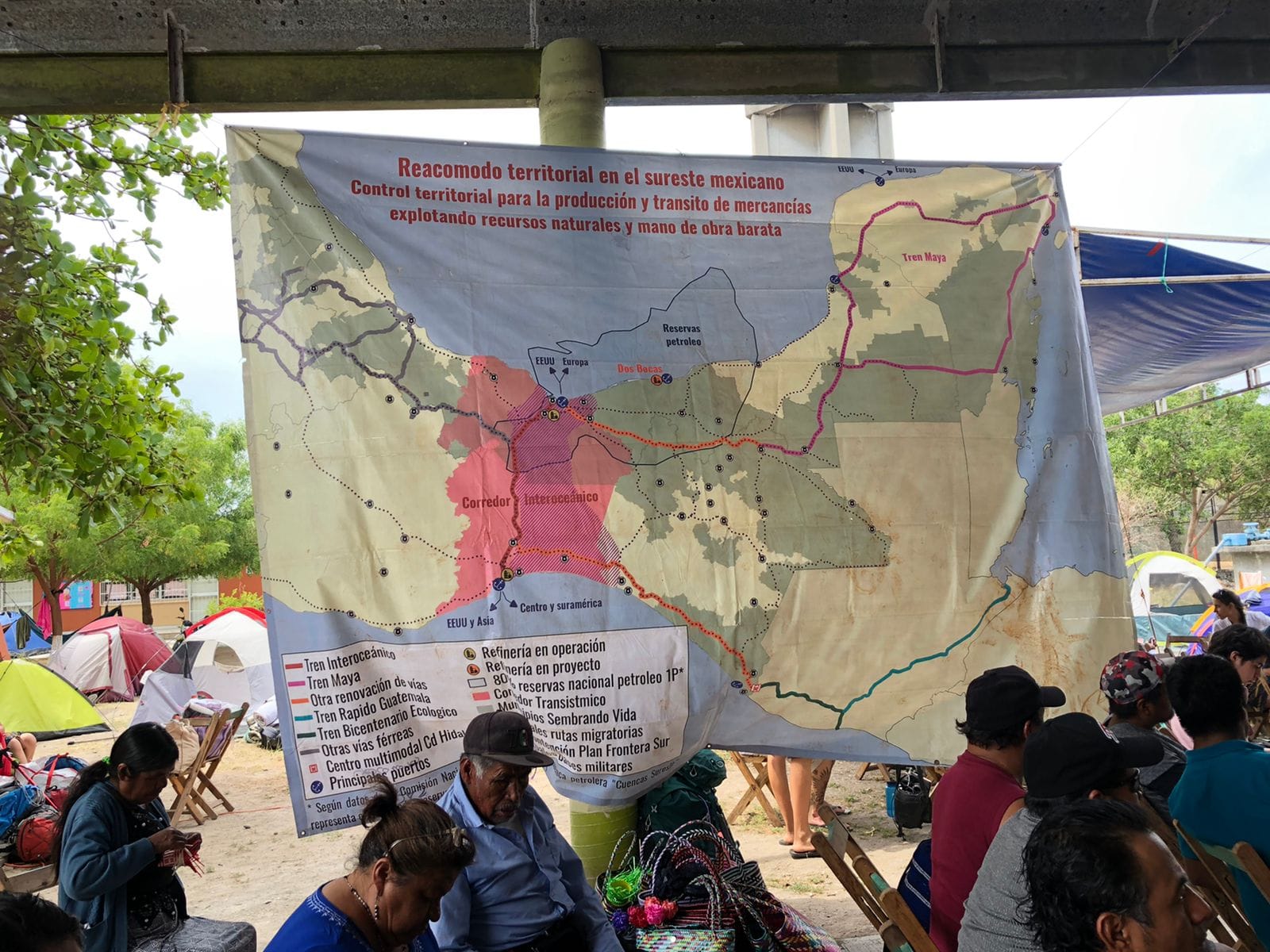
#PuenteMadera (#Istmopress) – The voices and struggles of the peoples, collectives, communities and defenders reached Oaxaca on the Southern Caravan, which left Chiapas yesterday. The objective is to articulate the struggles around defense and resistance to the megaproyectos, especially the Interoceanic Corridor and the Maya Train |Tren Maya, the “consented” works of the president of Mexico, Andrés Manuel López Obrador.
The caravan started in Pijijiapan, Chiapas, on April 25, continues its journey through Oaxaca, Veracruz, Tabasco, Campeche, Yucatan, Quintana Roo to return to Chiapas and meet at the CIDECI, in the city of San Cristobal de Las Casas, on May 6 and 7 in the Internal Technical Meeting “The South Resists.”
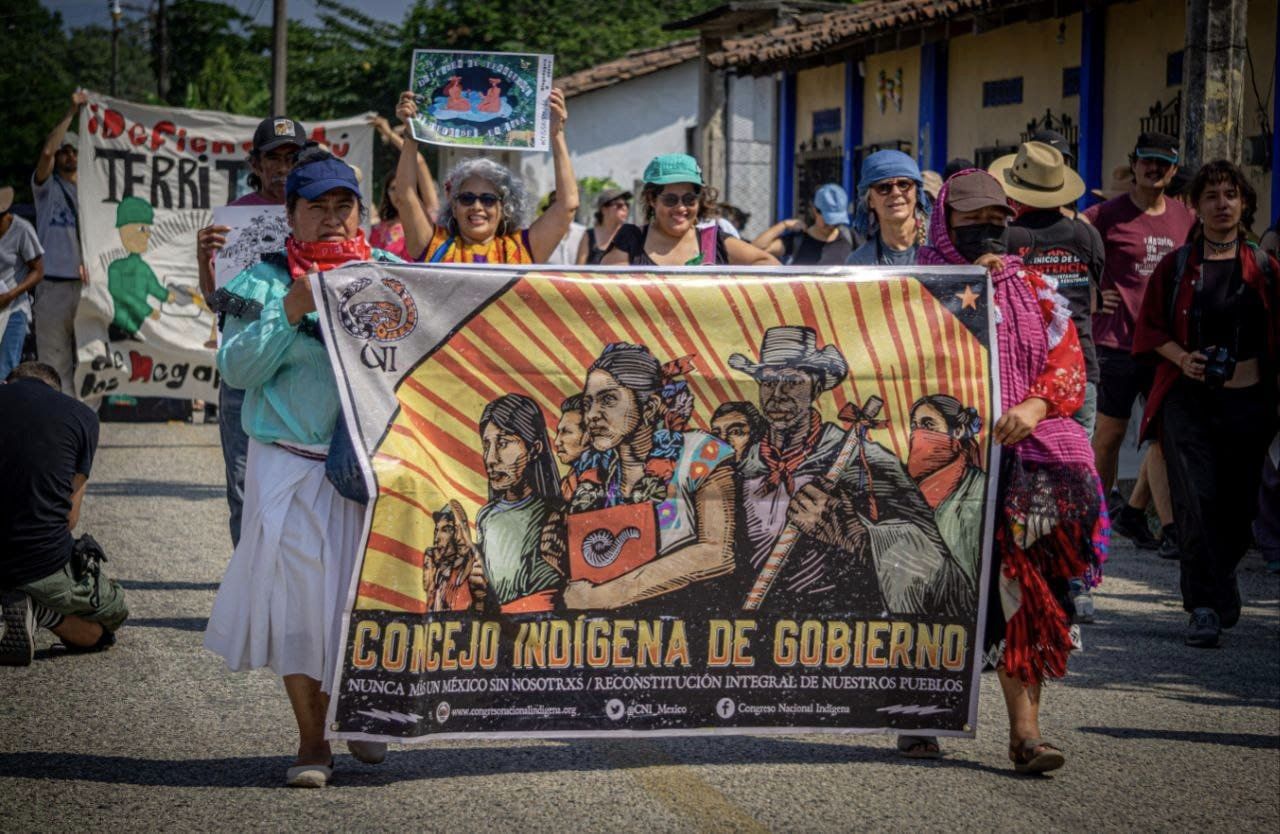
Betina Cruz, as host and Binnizá defender was the first to speak of the struggle of the Isthmian peoples against wind companies, who since 2005 are installed in this southern area of Oaxaca.
The activist pointed out that the only thing that these “development” models have brought are violence and conflicts between citizens and peoples, so this new project that the federal government intends to implement will not improve the development of the Isthmian peoples at all; on the contrary, the effects of climate change will be felt even more.
She explained that for the peoples is development means to have a dignified life, where the milpa prospers and where water abounds, but that with the industrial estates and the gas pipeline, the only thing there will be is more violence.
Binnizá defenders from Ixtepec and Ixhuatán also spoke about mining, and their struggle that began a decade ago, where they have declared their territory free of mining.
The Triqui and Mazatec women of Eloxochitlán de Flores Magón also spoke out and demanded justice from the Mexican state for their struggles.
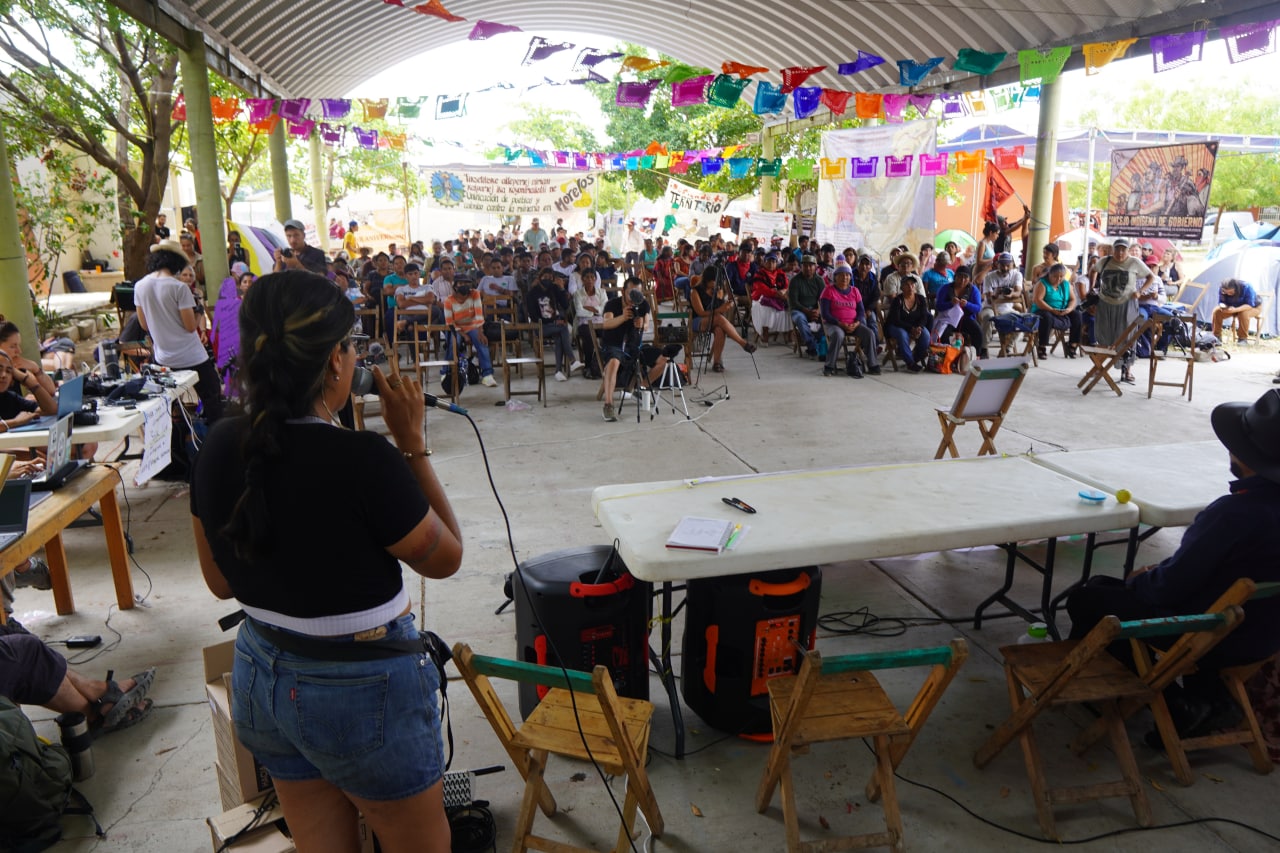
“Today we come to demand from the government a safe return, we have been away from home for many days, we leave everything there, our lives, and it is not possible that we cannot return, because the government has not been able to guarantee our security,” they said.
Elliot Escobar, defender of the group “Sol Rojo” said that the communal struggle in Isthmian territory has become violent. They have murdered community members and also authorities for opposing megaprojects.
No to the industrial park on El Pitayal bridge
Holding this meeting in Puente Madera was no coincidence, in this Zapotec territory, men and women have resisted the installation of one of the 10 industrial parks contemplated by the Interoceanic Corridor, and they defend it because it is their life and territory.
The Interoceanic Corridor of the Isthmus of Tehuantepec (CIIT) is a project that is composed of the railway, airport, port and industrial development and that aims to connect the port of Veracruz with Oaxaca for the transfer of merchandise, in addition to including the construction of industrial parks and a gas pipeline.
Puente Madera is a municipal agency of San Blas Atempa where about 529 Zapotecs live, where women are dedicated to the elaboration of tortilla chips of small zapalote corn and men are campesinos.
The community members and residents of Puente Madera denounced irregularities in the acquisition of land for the project, which was carried out through the staff of the Agrarian Prosecutor’s Office, which endorsed the forgery of signatures of more than 80 percent of the community members and the signature of two community members who have already died.
While the assembled women cook the chicken broth, as an act of love for life, others talk about their struggle.
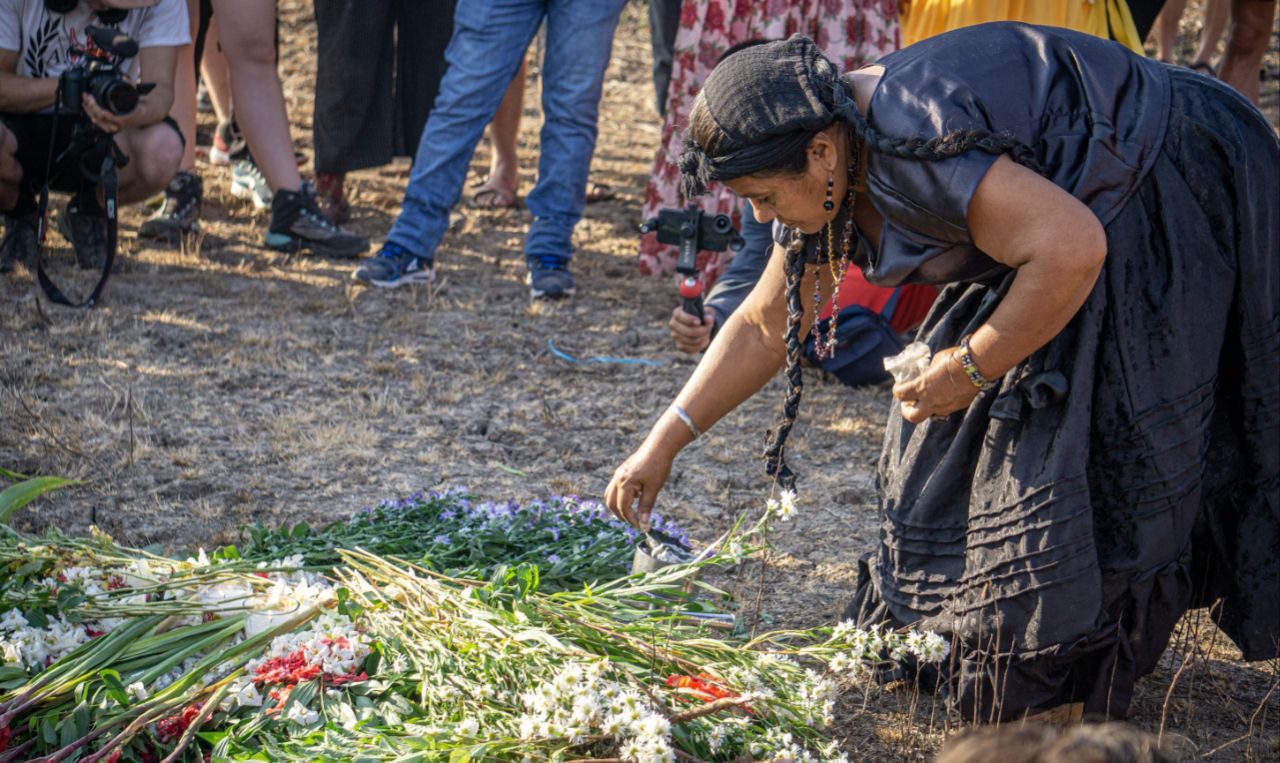
“From El Pitayal we get firewood to cook our food, from here we hunt some animals to eat, it is our life and now here they want to put a wind farm, and we are not going to allow it,” said Antonia Salazar Patiño.
Antonia is the mother of David Hernández Salazar, who has been arrested and criminalized for defending El Pitayal.
“Here you already know, our struggle is true and real, we are not going to allow them to occupy a communal territory, to dispossess us of our lands just to install a wind farm, here there is experience that the parks have not brought equal development for all, if not for a few. “
The Zapotec women also denounced that the Isthmus of Tehuantepec will be the new border with the Central American region and will be monitored and guarded by the US army, which will provide security to companies that come to industrialize the territory.
This Thursday, the caravan will continue in Oaxacan territory, and will be in Mixe territory of Mogoñe, in San Juan Guichicovi, in the northern part of the Isthmus of Tehuantepec where they will meet to learn about the struggle carried out by ejido members and peoples of that area, who for more than 50 days have maintained a blockade of the railroads, preventing the progress of the rehabilitation works. Due to non-compliance by the authorities.

Originally Published in Spanish by Chiapas Paralelo, April 27, 2023, https://www.chiapasparalelo.com/noticias/2023/04/llega-la-caravana-del-sur-a-oaxaca-el-territorio-es-nuestro-y-lo-defendemos-resistiendo/ and Re-Published with English interpretation by the Chiapas Support Committee
The South Resists | El Sur Resiste: Day 2 – Oaxaca
By: Yessica Morales
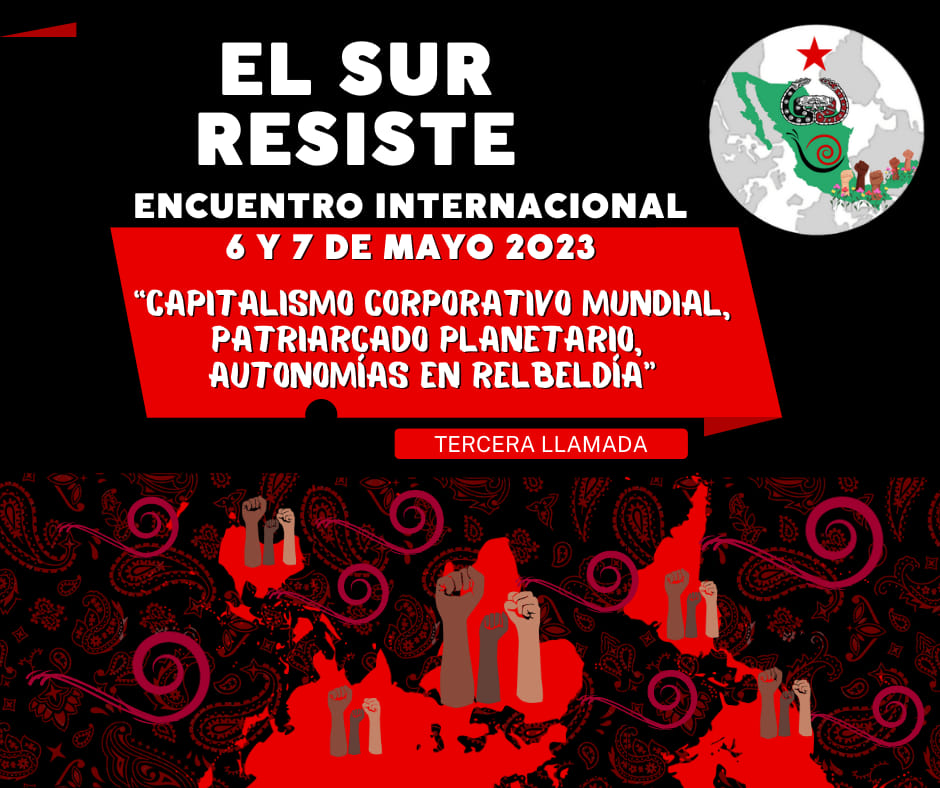
They invited all the organizations from below and to the left with a presence in Chiapas, in the region of the Isthmus, Tabasco and the Yucatan Peninsula, to communicate through elsurresiste@riseup.net, to add themselves to the events programmed during the tour. They also invited all the national and international to prepare for their participation in the International Gathering on May 6 and 7, 2023.
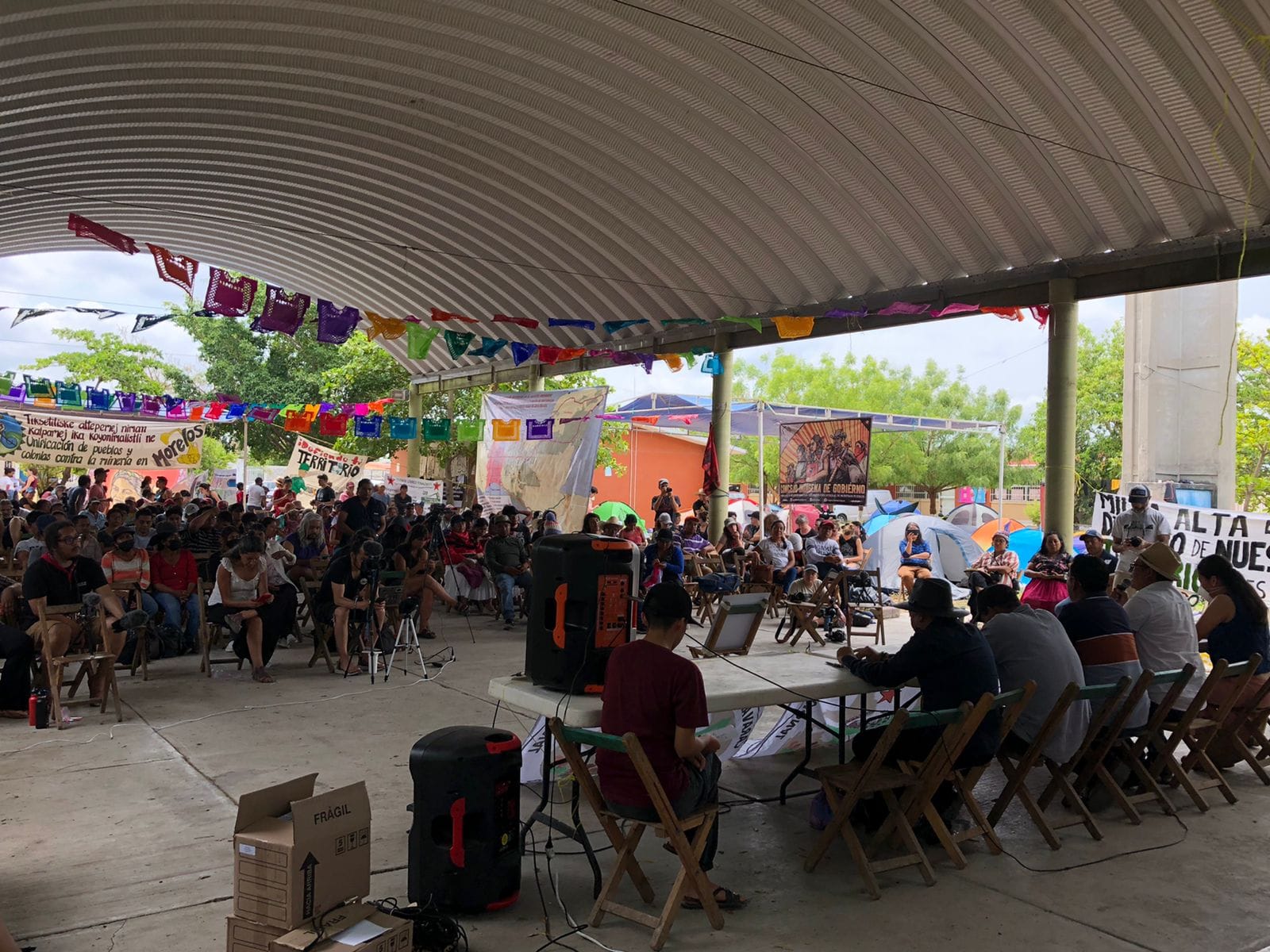
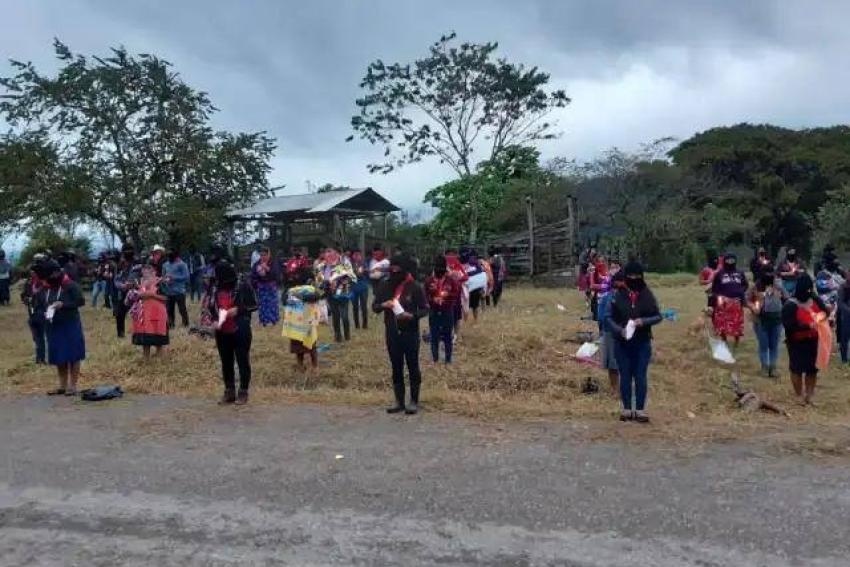
The caravan and international meeting “The south resists 2023”, left on April 25 from the coast of Chiapas and will travel the Isthmus of Tehuantepec from south to north to continue in the Yucatan Peninsula and will end with a meeting between organizations. This Wednesday, it arrived at Puente Madera in Oaxaca, where they denounced that the wind turbines, mining and the Interoceanic Corridor are connected projects, this being a place: a beacon for the peoples in resistance.
While, on the first day of the caravan tour was held in the community of Pijijiapan, as well as in Tonalá, both in Chiapas. After that, they moved to Puente Madera, where they spent the night and started activities.
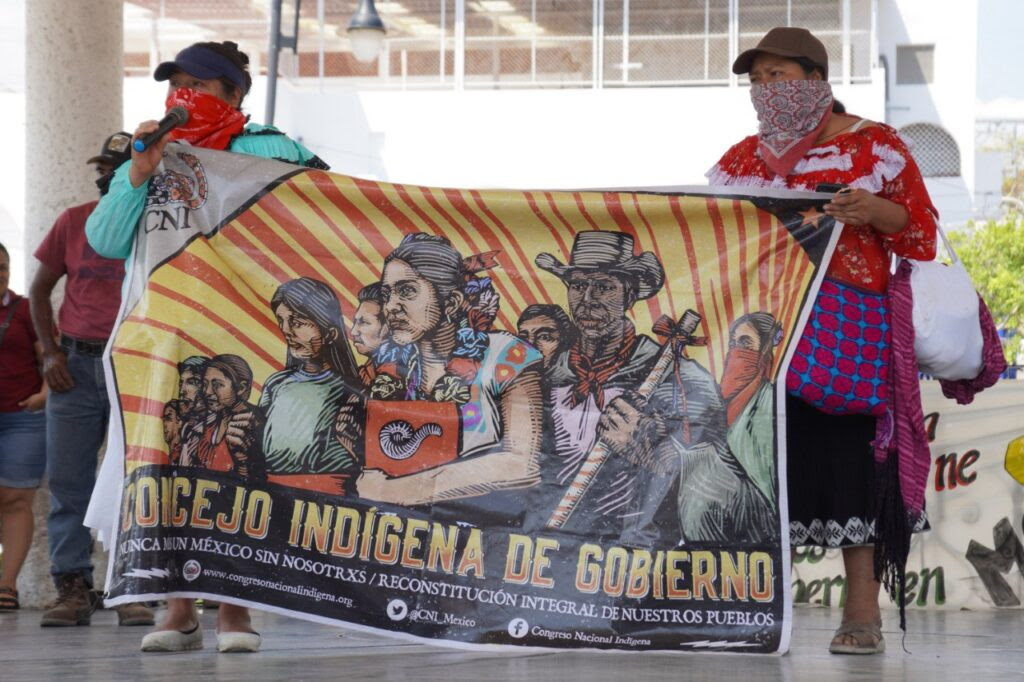
Thus, members of the Autonomous Council of the Coast of Chiapas, members of the National Indigenous Congress (CNI) narrated the resistance they maintain for the defense of their territory and against the projects that threaten their territory, such as: mining, struggle against high electricity rates and the gas pipeline project that crosses from Coatzacoalcos to Guatemala and that is part of the mega Interoceanic Corridor project.
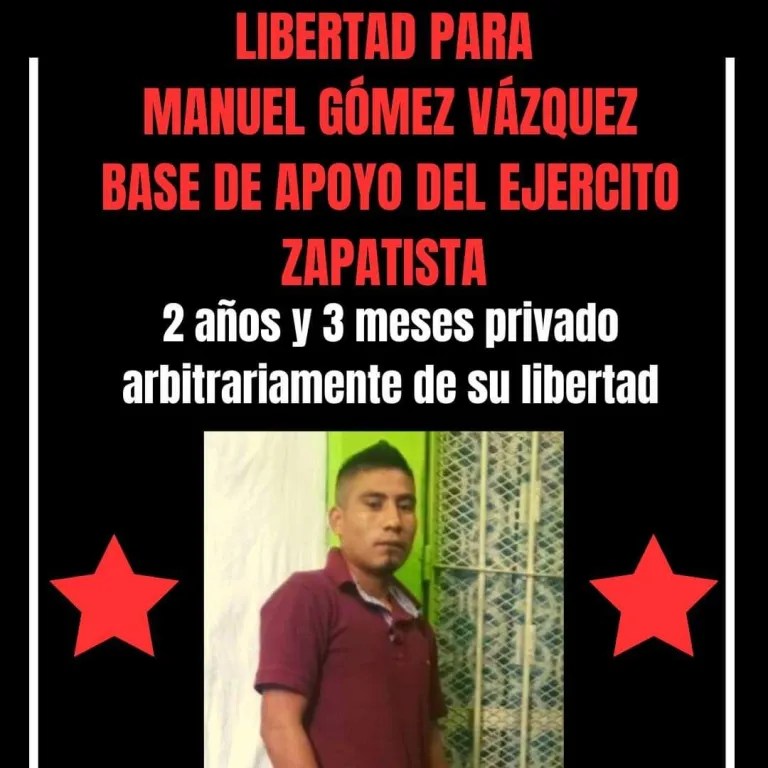
In addition, they demanded the immediate release of Zapatista political prisoner Manuel Gómez Vázquez, who belongs to the Nuevo Jerusalén region, Caracol 9. The young indigenous Tseltal, has been illegally deprived of his freedom for 2 years 4 months in the Social Reinsertion Center (CERESO) No. 16 “El Encino,” in Ocosingo.
On April 18, the Good Government Junta (JBG) announced that it carried out a deep and true investigation of the facts to verify the falsification and criminalization that Gómez Vázquez is experiencing.
It should be remembered that the caravan will travel through the south-southeast of Mexico through the territories affected by the interconnected megaproject Maya Train-Interoceanic Corridor, articulating the peoples, communities, colonies, neighborhoods and indigenous, peasant, feminist, union, popular and civil society organizations that are in struggle and resistance to different forms of dispossession of the State, as well as world and patriarchal capital.
At the end of that tour that will take place from April 25 to May 5,they convened an international meeting to share pains, hopes and strategies of articulation outlined, to learn from the struggles of other geographies and continue weaving solidarity networks of planetary resistances and rebellions.
We call on all, all, all, the neighborhood resistances, the peoples who struggle, the urban collectives and the peripheries, those who build autonomies and rebellions in all corners of the global south, to be twinned, to meet again to know each other, exchange knowledge and feelings, articulate global struggles, agree on joint actions to name, point out and claim the right to a dignified life of peoples and nature, said the coordination and organizing commission “The south resists 2023.”
Likewise, they emphasized that it’s time to listen and point directly to those who are behind the causes of dispossession living in their territories. To that 1% of the world’s population whose decisions and ways of life have caused the current climate crisis that forces them to be displaced as peoples, reconfigures their territories and confronts them with exploitation, extractivism and war.
We know that the struggles are not only here in Mexico, they are in many places in the world where comrades from the global south are placing their bodies to defend their territories from the corridors, trains and death projects of global corporate capitalism, the commission added.
Finally, they know that in the corners of what is called “the global north” there are people resisting, who are also part of the global south. Therefore, they called on them to join their voices to that struggle because they are that 99% that resists the onslaught of those who destroy them and seek to dominate them.

Originally Published in Spanish by Chiapas Paralelo, Thursday, April 27, 2023, https://www.chiapasparalelo.com/noticias/chiapas/2023/04/caravana-el-sur-resiste-2023-deja-chiapas-y-seguira-su-camino-de-resistencia/ and Re-Published with English interpretation by the Chiapas Support Committee
The South Resists | El Sur Resiste: The caravan begins
By: Pie de Página
Text: Arturo Contreras Camero
Indigenous peoples from the territories affected by the megaprojects of the López Obrador government will tour the points of greatest conflict throughout six southeast Mexican states. Their objective is to unite their struggles and present a common front.
PIJIJIAPAN, CHIAPAS – Different organizations of indigenous peoples from the country’s south began a caravan to meet in the territories they defend and to unite their processes of struggle and resistance. Their main enemy is the development projects initiated by the government of Andrés Manuel López Obrador, four years ago. Most of these organizations are part of the National Indigenous Congress, which tried to bring the candidacy for the presidency of the Republic to María De Jesús Patricio, Marichuy, in 2018.
These organizations believe that the development of projects such as the Maya Train, the Interoceanic Corridor and the Olmec refinery, built in Dos Bocas, Tabasco, threaten their own development as peoples and subjects them to the designs of big capital.
They charge that the effects of constructing these works mean dispossession in their territory and submission to a capitalist structure to which, to a certain extent, they were alien. During their journey, these communities will share their experiences with other peoples. They will also seek solidarity and the creation of a common front. They defend “the right to a dignified life of peoples and nature.”
The tour
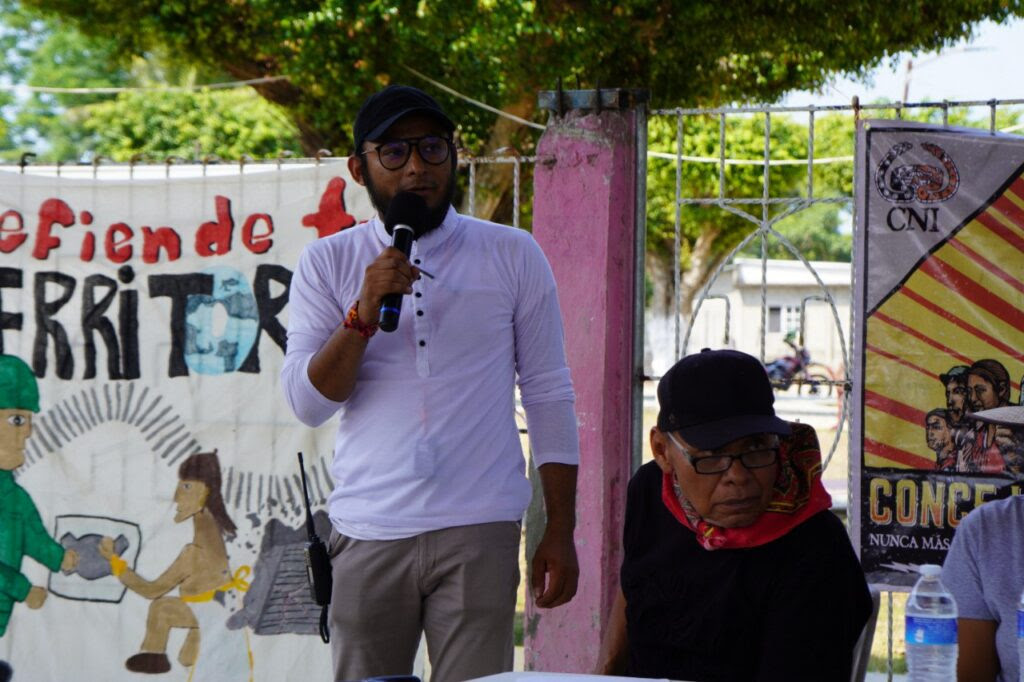
The route of the caravan will leave Chiapas, then approach the Isthmus of Tehuantepec and follow the route of the Interoceanic Corridor, a train that will link the Atlantic and Pacific trade routes. From there it will go to Veracruz, the other route of this commercial channel. Then the caravan will continue its journey to Villahermosa, Tabasco.
In Tabasco, it will visit the community of El Bosque, in the municipality of Centla, which a year ago began to disappear due to rising sea levels. A sample of the effects of an economy dependent on the extraction and burning of hydrocarbons.
From there, the caravan will move to the Yucatan Peninsula to travel the line of Trén Maya | Maya Train. On the tour, five of the key points of the train line will be visited. First in Candelaria, Campeche; then to Valladolid in Yucatan, to Carrillo Puerto, Quintana Roo; Xpujil, Campeche to finally reach Palenque, Chiapas.
The tour will end in San Cristóbal de las Casas, where members of the tour will hold an international meeting with representatives of other indigenous communities in Mexico and the continent.
An opportunity to meet
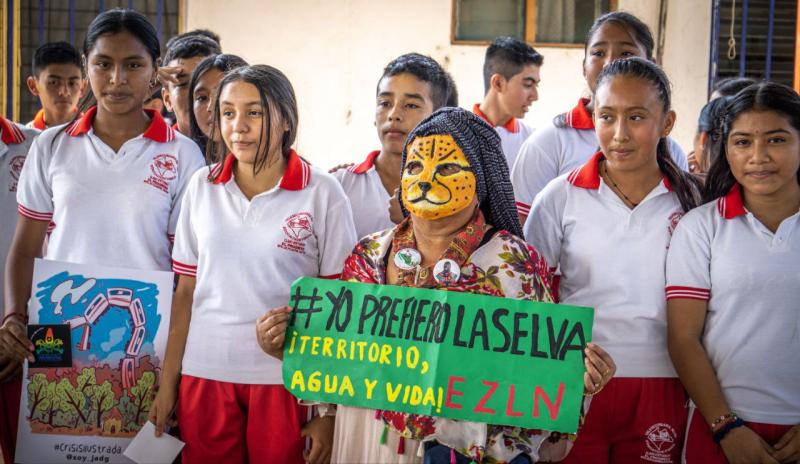
Ángel Sulub lives in Carrillo Puerto, Quintana Roo. He also belongs to one of the organizations that convoke the Caravan. He explains:
“The Caravan is an excellent opportunity for the peoples to articulate and meet about our struggles. Those of us who inhabit these lands are going through the same situation of dispossession caused by the megaprojects that are being imposed in an illegal way, which constitute violations of rights, not only to prior and informed consultation, but to health and life itself.”
The processes of consultation about these projects, he recalls, were plagued by unclear assemblies and were even rigged by local powers to achieve their acceptance. In many cases, there were reports of a lack of information and the use of political and partisan groupings that swept away those who opposed them. President López Obrador’s popularity helped his acceptance and silence voices against it.
The states in which these projects are being developed are among those that expressed the most support for the López Obrador government. Although in some of the places where these projects will be developed there are groups that resist them, most of those who live in these states look favorably on them, because they represent an employment option in these places.
“For us it’s important to see that there are different life options to this developmentalist model that is imposed on us and presented to us as the only way to achieve what is called development or progress and that does not necessarily have to do with the good of the peoples,” Angel Sulub adds in an interview.
“We think that the caravan can show that there are struggles and resistances, other forms of dignified life, of thinking, of feeling and of relating to the territory that are contrary to the forms of the capitalist system that is governed by two elements: competitiveness and individuality.”
Below we share the itinerary of the El Sur Resiste! caravan:
April
25 Pijijiapan – Tonalá, Chiapas
26 Puente Madera, Oaxaca
27 Guichicovi, Oaxaca
28 Oteapan, Veracruz
29 Villahermosa-El Bosque,Tabasco
30 Candelaria, Campeche
May
1 Valladolid, Yucatán
2 Carrillo Puerto, Quintana Roo
3 Xpujil, Campeche
4 Palenque, Chiapas.
5 Arrival in San Cristóbal de las Casas, Chiapas
Originally Published in Spanish by Chiapas Paralelo, Tuesday, Tuesday, April 25, 2023, https://www.chiapasparalelo.com/noticias/2023/04/arranca-la-caravana-el-sur-resiste/ and Re-Published with English interpretation by the Chiapas Support Committee
The narco’s shadow extends throughout the Lacandón Jungle

By: Ángeles Mariscal
Crime has been incrusted in the recesses of the Chiapas jungle and advances non-stop throughout the State, under the cover of omissions, bureaucracy and lack of political will of governments. “They left us alone to face this problem,” denounce communal authorities.
In the last two years, on at least five occasions, authorities in the Lacandón Community Zone, located on Mexico’s border with Guatemala, went with officials from all three levels of government to call for actions to slow the advance of organized crime groups in this region. No one listened to them. Criminal groups seized airstrips, controlled roads, and expelled residents from rural and indigenous communities.
But the people affected speak little about this. The fear of retaliation is great. They know they have been abandoned by the state.
On March 20, in his morning conference, the president of Mexico, Andrés Manuel López Obrador, said that there were clandestine airstrips in that area being used by drug cartels, and spoke of the participation of the local population.
The president’s version not only criminalized the population, but also made invisible the calls for help they made, said authorities of three of the largest communities in the jungle: Chankin Kinbor Chambor, Enrique Andrade Vázquez, deputy commissioner of Frontera Corozal, and Emilio Bolom Gómez, deputy commissioner of Nueva Palestina.
“We were left alone with this problem.”
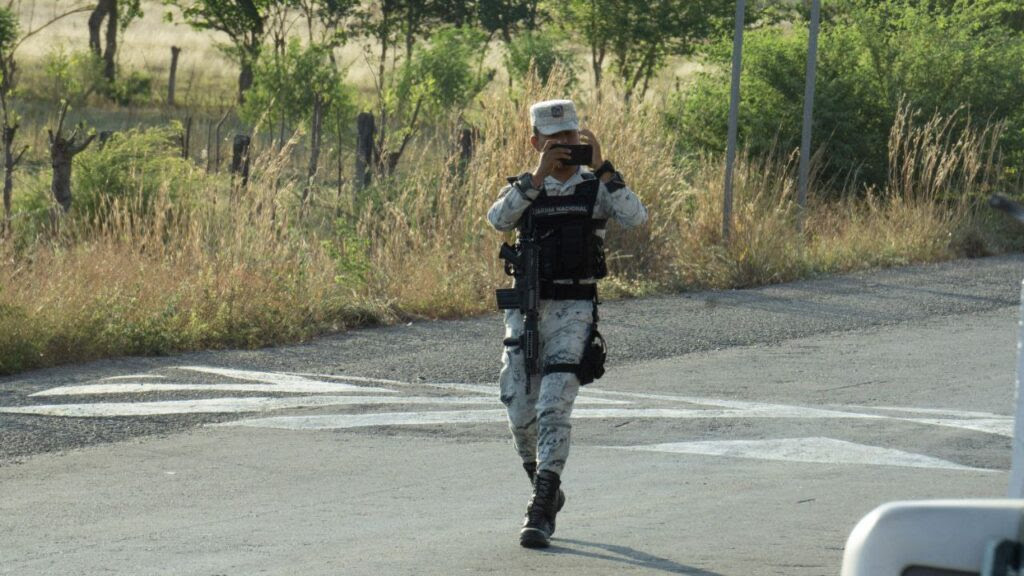
The narco, which “erases borders”
The border between Mexico and Guatemala is just under a thousand linear kilometers, two-thirds bordering the state of Chiapas. In a fraction of this region, on the Guatemalan side is the Jungle of the Petén and on the Mexican side, the Lacandón.
The thick vegetation in some areas, the mighty rivers, the distance between communities, and the limited communication routes with which to cross the jungle, served for years as a natural barrier to prevent drug cartels and organized crime from settling in the region, despite the fact that the roads that border it have been used for trafficking arms, drugs and people, who come from the south of the continent.
Residents interviewed for this report recall that this situation changed radically since the end of 2019.
A campesino of Tseltal origin who asks not to be identified explains that in his community, located in the heart of the jungle, there is an airstrip for small planes that was built when his grandparents and great-grandparents arrived to populate the place; this was the only way out in an emergency. The other way out was to walk several days until you reached a dirt track or road. Over the years, more roads were opened and the landing strip was only to take out the sick, or occasionally when health brigades or public servants from some government institution arrived in the area and wanted to avoid the winding road by land. However, in late 2019 and early 2020, some people he prefers not to identify came to his community.
“They came to ask to rent the runway. They said it was to carry merchandise, we thought they were medicines to distribute in the area, and since there was a need for medicine and vaccines to arrive, we accepted. Other communities (where they also arrived) were told that they were going to be paid for the use of the landing strips, and they also accepted.”
“Then,” he says, “they arrived with packages and boxes, they carried large weapons, they were not (hunting) rifles or pistols; they were different. We were afraid, we saw that it was not a good thing but we could no longer refuse because they began to stay in the community. Those who opposed it were threatened, beaten; They killed some and left their bodies torn to pieces, as if they were animals (…) we had to leave our land. Others stayed there out of fear, because they have nowhere else to go.”
He, his wife, children, and other families left the community.
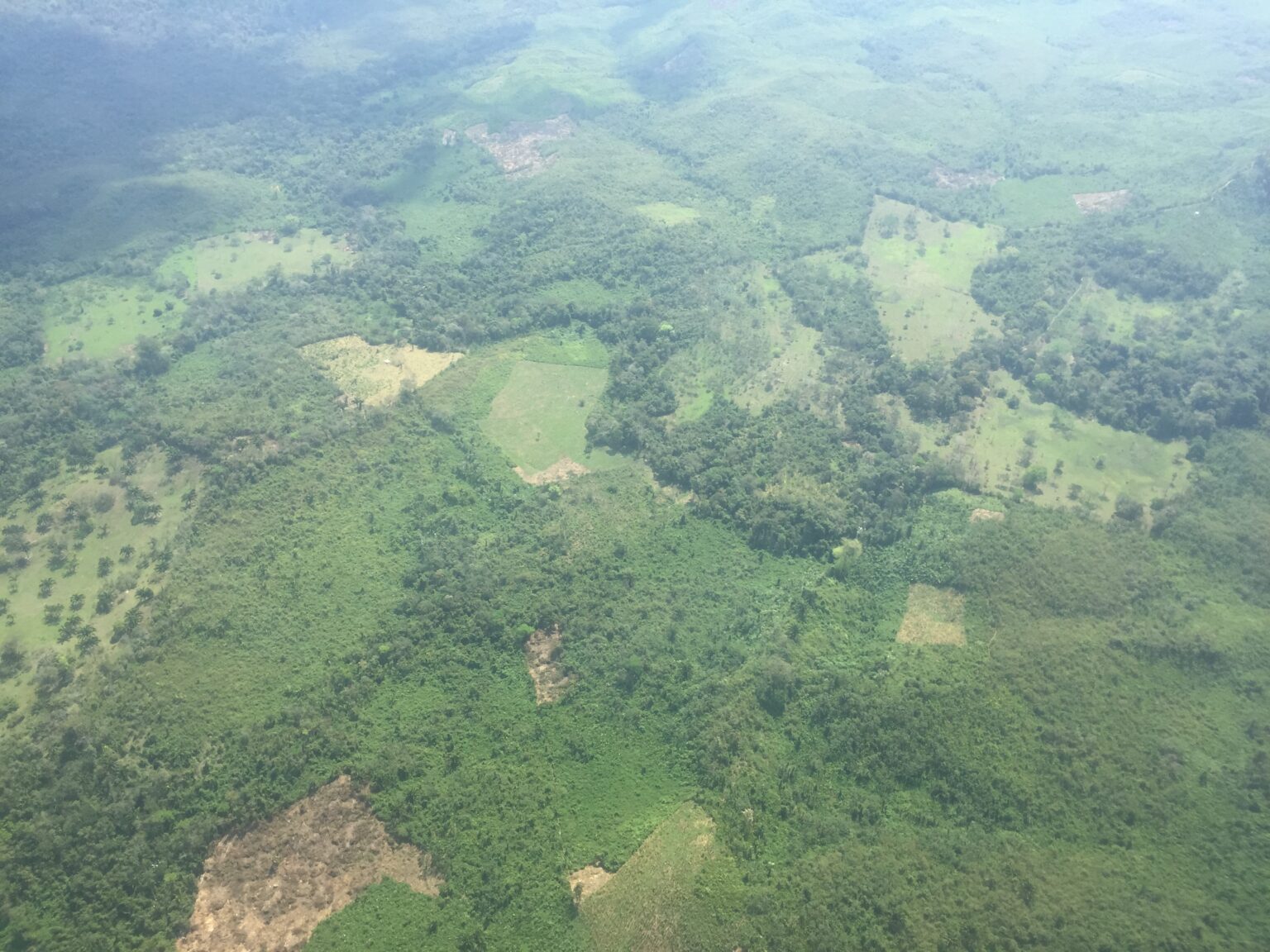
Subduing the opposition: murder and forced displacement
The Lacandón Jungle formally occupies 1.8 million hectares. There are dozens of small communities, some with 10 families and others with more than 20,000 people. They are mostly Tseltal Indians, some are Tsotsils, a group of Lacandóns, and those who arrived from other states of the country in the middle of the last century in search of land.
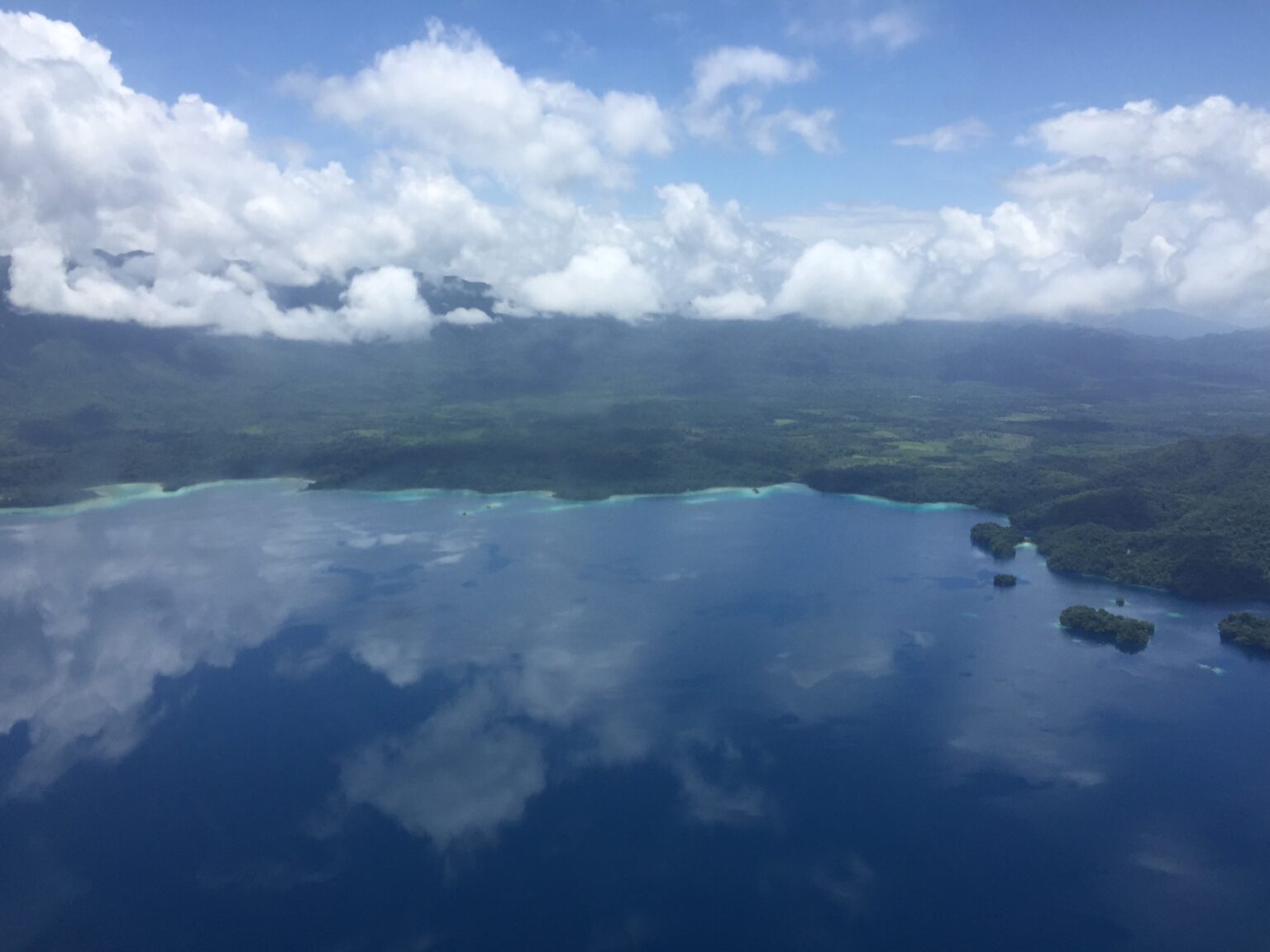
[There are 2 YouTube videos with footage shot from a small plane that accompany this article. Both are of the jungle landscape. There is no dialogue. The first can be seen by clicking here. And the second one here.]
Legally, the Lacandón is part of the municipalities of Las Margaritas, Altamirano, Ocosingo, Palenque, Maravilla Tenejapa, Marqués de Comillas and Zamora Pico de Oro. The places currently most coveted by the cartels in that region are those that allow them to transport, store and redistribute their merchandise without any protests or surveillance.
In a video that was accessed for this report, and that was recorded by residents who live in what is known as the Río Negro area, a subregion of the Lacandón Jungle, the interior of a house is observed; in the center there is a table of boards and on it, a coffin; campesinos place inside the coffin the pieces of a body. As if it were a puzzle, they are accommodating legs, arms, torso.
There is an incense holder on the floor from which resin smoke emanates, with which they try to dampen the smell of the decomposing body because there the temperature exceeds 30 degrees Celsius. Around, watching, there are campesinos; also, a woman dressed in the colorful attire characteristic of the Tseltal inhabitants of the jungle, cries inconsolably; There are children with distressed faces. As they can, they assemble the body and dress it with a white sheet to bury it with the greatest possible dignity.
After the murder and torture of the campesino, who is now known to have opposed the installation of a new airstrip by organized crime groups on his land, 88 people from that region, most of them children, had to leave the area.
They were among the first to be displaced by the cartels in the Lacandón jungle.

[Protective] bars in the middle of the jungle
In larger communities, people of the locality started -or increased- the consumption of drugs. They tell stories about some inhabitants who, whether out of fear or conviction, began to collaborate actively in the trafficking of humans and merchandise.
Leaders of the Lacandón Zone Commons say that, in the middle of 2021, threats from the criminal groups were also directed at them.
Given the distrust generated by the authorities of the Chiapas government, whom they had notified of these facts without doing anything, they focused on asking the federal government for help.
“It was raised directly with the federal government; measures were requested from the Ministry of the Interior. Because of the security issue, we didn’t want the state government to know, but the first one to know was the state government.”
Chankin Kimbor threatened
As president of the Lacandón Commons, Chankin Kimbor was directly threatened to prevent him from continuing the complaints.
“But the people in the assembly are demanding that we look for a solution … we went to Alejandro Encinas -Undersecretary of Human Rights, Population and Migration in the Interior Ministry – and what he did was request precautionary protective measures for me; but what is the use of having a house with bars in the middle of the jungle? It’s like we’re in a jail.”
Bureaucracy stops calls for help
Between 2021 and 2022 the presence and violence of these groups became unsustainable, “it was when there were more murders, beheaded, dismembered; Then, in the assemblies of the communities they insisted that we look for a way to solve this. We went again with the government of Chiapas,” Chankin Kinbor, Enrique Andrade Vázquez and Emilio Bolom Gómez explain in an interview.
“One of the first meetings of 2021 we had was with the Chiapas Prosecutor, Olaf Gómez Hernández. There, he clearly told us that these were federal crimes, that the [state] government could not intervene, that we should look at it with the Army, with the Attorney General’s Office. Time passed, the pandemic came, and the situation got worse,” Chankin says.

Enrique Andrade details that they then spoke with the personnel of the Military Battalion in Frontera Corozal, and with the Navy, the institution that is responsible for monitoring the Usumacinta River, which separates Mexico and Guatemala.
“They replied that they could not intervene, that they needed an order from their superiors, and that we needed to make a complaint at the Public Ministry; but there is no Public Ministry here, there is no Attorney General’s Office. In order to make a report, we have to go to the municipal seat of Ocosingo and when we arrive, they respond that the period to file a complaint has passed.”
During 2022, in the community assemblies the population again demanded to go to the authorities. On August 10 of that year there was an assembly of inhabitants of the towns of Nueva Palestina, Frontera Corozal, Caribal Ojo de Agua Chankin, Naha and Puerto Bello Metzabok.
The minutes that were drawn up that day detail that one thousand 29 (1,029) heads of families attended, and reiterated that they agree that the municipal police of Ocosingo intervene, the delegate of the government of Chiapas, Jaime Ramírez Maza; the Office of the Indigenous Prosecutor, the Ministry of Public Security and Defense, “in order to prevent the proliferation of organized crime.”
Two months passed without concrete actions on the part of the security forces, therefore, on November 11, the communal authorities went to the Chiapas capital, to deliver to the Official Office of Parties of the Governorship a request for an audience with Governor Rutilio Escandón.
The only response they received that day was an acknowledgment of receipt with folio 007644-2022 that states: “You can consult by telephone the number 9616188050 Ext 21010 and 21013, or go to this office to know about the competent Unit that will attend your request and the status of your request.”
“One day we were received by some people, on other days by other people; sometimes the Army, the National Guard were summoned to the meeting; But there were no actions. The Army is in their barracks and when we ask them for help, they tell us that they need an order from their commanders to intervene; in the Prosecutor’s Office they do not receive the complaints,” says Chankin.
A month after the request for a hearing, on December 14, they were finally received at the Government Palace, but not by the governor. They were with the official Jaime Rodríguez Maza and with representatives of the Attorney General’s Office, the National Guard, the Secretariat of Security and Citizen Protection and the National Institute of Migration.
The topic to be discussed was security. In the minutes of agreements that were made at the end of the meeting, the response that each institution gave to the community stands out. They are told that the intervention of the security and investigative forces must go through a series of bureaucratic procedures that they ask the population of the jungle to fulfill.
For example, the Secretary of the Navy tells them that it cannot respond to requests from the population until it receives a request from the Attorney General’s Office.
“The National Guard explained that the functions of this corporation are based on collaboration with other security forces, through surveillance and maintenance of public order, with a defensive and non-offensive sense,” they explain in the sixth point of the minute.
To the demand that the Office of the Prosecutor of Indigenous Justice open an office of attention in the town of Frontera Corozal, so that the population can arrive there to file criminal complaints, they respond that they must send a request to the Attorney General’s Office.
In short, the community members explain, “they tell us they cannot act.”
A cry in the desert
On March 24, four days after the president of Mexico spoke about clandestine airstrips and said that “drug traffickers have agreements with those communities,” the authorities of the Communal Assets (the Commons) of the Lacandón Zone responded in a letter to López Obrador, denying that the population has agreements with drug traffickers.
“President Andrés Manuel López Obrador, we express our recognition and we wish to have you visit Frontera Corozal (one of the communities where the president said there were clandestine airstrips) so that you can keep our word and our willingness to solve the problems we suffer in this territory,” says the document that so far has not had a response.
Ten days later, on April 4, the bishops of the Diocese of San Cristóbal – to which the Lacandón jungle belongs – denounced that the population affected by the crime groups that dispute the territory in almost the entire territory of Chiapas has not been heard.
In a public statement, Rodrigo Aguilar Martínez, Luis Manuel Lopez Alfaro, the bishop and auxiliary bishop; as well as María Reyes Arias Sarao, Miguel Ángel Montoya Moreno and Carolina Lara Rodríguez, secretary and vicars, explained that in the region where the Diocese is present, as well as in the rest of the state, there is an “increase in insecurity and violence overwhelmed by crime cells.”
“The social decomposition is on the rise due to the generalized violence in the state (…) at this time we have heard loudly, like a cry in the desert, the situation of structural and institutionalized violence with the presence of organized crime, the proliferation of armed groups, some doing the task of shock groups, “they explain in their statement where they request attention.
This document has not received a response either.

Originally Published in Spanish by Chiapas Paralelo, Monday, April 24, 2023, https://www.chiapasparalelo.com/noticias/chiapas/2023/04/la-sombra-del-narco-se-extiende-por-la-selva-lacandona/ and Re-Published with English interpretation by the Chiapas Support Committee
Lacandón comuneros accuse Julia Carabias of seeking to divide and confront them
By: Isaín Mandujano
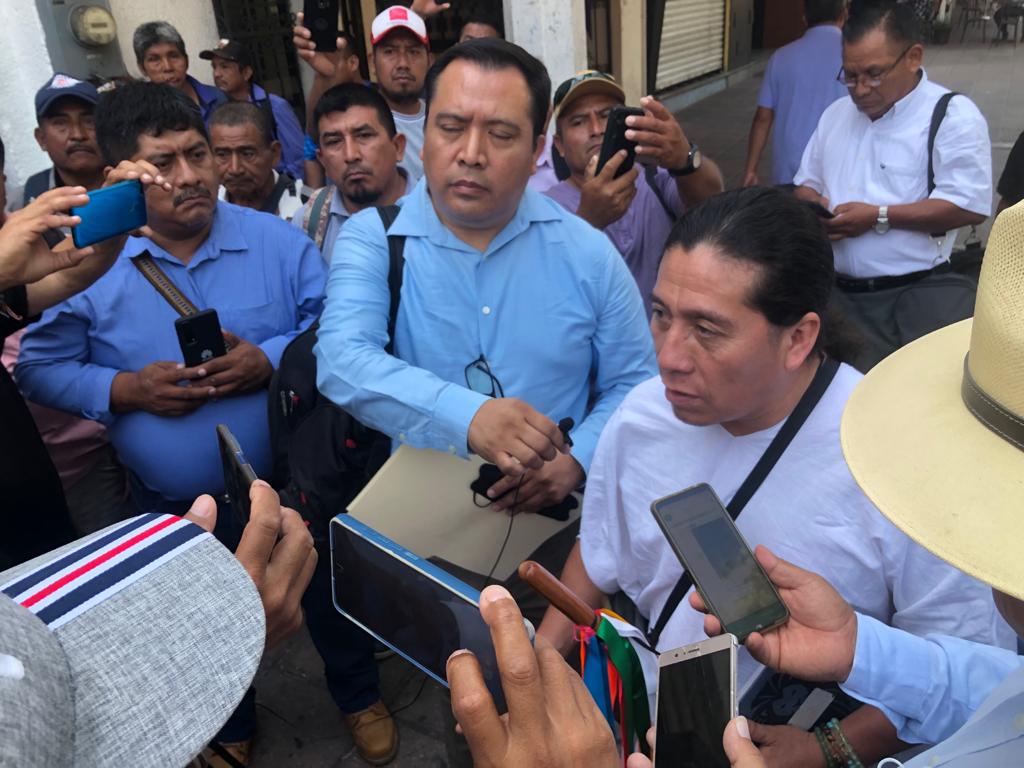
Authorities of the Lacandón Zone’s Communal Assets (LZCA), [also known as the Lacandón Zone Commons], denounced that with legal devices and influence peddling, the environmentalist Julia Carabias Lillo, through her civil organizations, Natura and Mexican Ecosystems, intends to divide the indigenous community members of the Jungle to strip them of control of the territory.
Chankin Kimbor Chambor, president of the LZCA and dozens of community members from Lacanjá Chanzayab, Frontera Corozal, Nueva Palestina and other communities that make up the Commons, traveled for several hours from the Jungle to reach the state capital and protest before the Unitary Agrarian Tribunal of Tuxtla Gutiérrez, which intends to favor a minority group “manipulated by foreign interests.”
The indigenous Choles, Tseltals, Tsotsiles and Lacandón Mayas, members of the Communal Assets of the Lacandón Zone, located in the municipality of Ocosingo, said that for more than 50 years they have been subject to “multiple deceptions, betrayals, manipulations and threats by neoliberal governments” and that now they suffer the same from the current state government that claims to have emerged from the 4T.
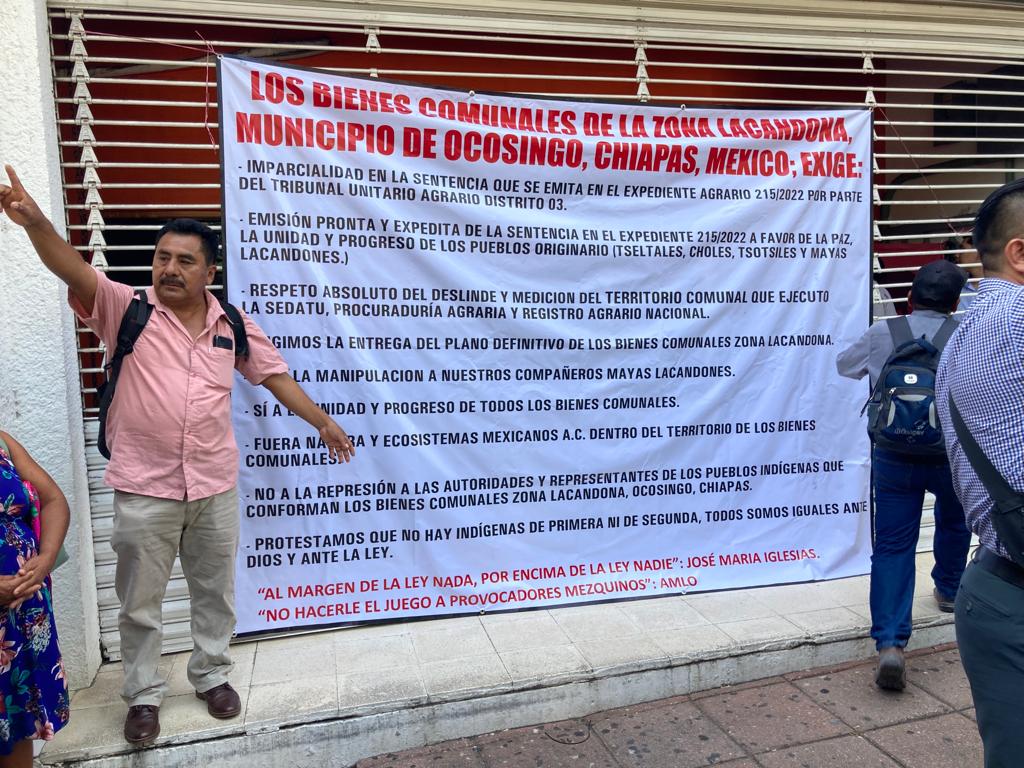
“We demand that the Unitary Agrarian Court District 3, based in Tuxtla Gutiérrez, does not lend itself to violating our human rights, in the case it attends to within File 215/2022, in the sense of leaning towards a minority group (of Lacandóns) that is being manipulated by non-governmental organizations such as Natura and Ecosistemas Mexicanos A.C., belonging to the neoliberal Julia Carabias Lillo, through her defense attorney Roger Eli Diaz Guillen,” Chankin Kimbor Chambor said.
The indigenous leader recalled that the communal members of the Lacandón Zone, in 1971, by presidential decree were recognized and given title to more than 600,000 hectares (more than a million and a half acres) of land, [1] without being provided with the plan of said territory that frames its limits.
Subsequently, presidential decrees were issued to provide land to ejidos and areas were granted for natural reserves, which caused the original territory that was recognized and titled in 1971 to be reduced to a little more than 400,000 hectares.
And with this, they lost “a large amount of territory, and they still do not have a definitive plan.
“What’s the reason? Why is the federal government refusing to hand over the final blueprint? The answer is simple; so that non-governmental organizations such as Natura and Ecosistemas Mexicanos A.C. get an increased source of business, using a group of Lacandón Maya comrades for their benefit,” said Chankin Kimbor Chambor.
They asked the Unitary Agrarian Court to be impartial in the dictation of the sentence issued in the agrarian file 215/2022 and that the issuance be prompt and expeditious in favor of peace, unity and progress of the native peoples.
He also demanded on behalf of all the comuneros and communities within the Communal Assets that there is “absolute respect for the demarcation and measurement of the communal territory that was executed by SEDATU, the Agrarian Attorney and the National Agrarian Registry. He also demanded the delivery of the final plan of the communal property and that the Lacandóns who intend to divide them not be manipulated.
He also demanded that the civil organizations Natura and Mexican Ecosystems, as well as the environmentalist Julia Carabias, who currently owns 80 hectares in the region of Chajul and Tzendales, leave the Lacandón Jungle.
[1] Translator’s Note: What was created by presidential decree in 1971 was then called the Lacandón Community, a grant of an enormous area of land in the Lacandón Jungle to 66 families of a Maya ethnicity currently known as Lacandón. The land was designated as communally owned. After strong protests, some Tseltal and Chol Mayas who lived within its boundaries were relocated to Nueva Palestina and Frontera Corozal (towns within the Lacandón Community); other Tseltals and Chols resisted relocation. The Lacandón ethnicity was given more rights than the other ethnicities and that structure has made the Lacandón Community, sometimes referred to as the Lacandón Zone, ripe for division due to different interests.
Originally Published in Spanish by Chiapas Paralelo, Thursday, April 20, 2023, https://www.chiapasparalelo.com/noticias/chiapas/2023/04/comuneros-de-la-lacandona-acusan-a-julia-carabias-de-pretender-dividirlos-y-confrontarlos/ and Re-Published with English interpretation by the Chiapas Support Committee
San Cristóbal, under police and military siege

By: Isaín Mandujano
After the violent events on Monday that left three people riddled with bullets and three houses burned, the municipal and state police forces, as well as the Mexican Army and the National Guard (NG) took control of the northern peripheral where armed groups were mobilized yesterday, which caused panic with the detonations of their firearms.
After the execution of indigenous leader Jerónimo Ruiz, various armed groups mobilized in the northern area of the city of San Cristóbal de Las Casas, firing their firearms and headed towards the El Pinar neighborhood, where they burned at least three houses, one of them belonging to the activist and human rights defender Pascuala López.
Jerónimo Ruiz was murdered in one of the streets of the Nueva Esperanza district, in front of the house of a friend he had gone to visit. He actually lived in the Buena Esperanza neighborhood, a neighboring district.
Supporters of Jerónimo Ruiz took over the main road, which is the Northern Peripheral and blocked it with sticks and stones, burned tires and killed at least two people allegedly from the El Pinar neighborhood.

There are two important leaders of a motorcycle gang from El Pinar, who were arrested and taken prisoner recently, Pablo “N” and Cecilio “N”, who were adversaries of Jerónimo Ruiz.
In San Cristóbal de Las Casas, “Motonetos” is the generic name for various gangs that were created in this city in 2015, during the municipal government of Marco Cancino, a politician of the Green Ecologist Party of Mexico (PVEM).
Los Jerónimos, was one of the groups of young people led by Jerónimo Ruiz, who gave security and protection more than his person to his businesses, plazas and markets where he maintained a political leadership among vendors, merchants, artisans and other street vendors of that city.
More than 24 hours after the violent events, state and municipal police, the National Guard and the Mexican Army set up checkpoints in various parts of the city of San Cristóbal de Las Casas. Mainly in the Northern Peripheral, where today there were only bullet holes in several houses, shell casings on the ground and evidence of burned tires in several sections.
On that peripheral there are about 50 districts, most of them inhabited by people of the Tsotsil Maya people of the Chiapas Highlands, many who arrived in the 1980s displaced by conflicts derived from religious intolerance and others displaced after the armed uprising of the EZLN in 1994.

In an interview, the mayor of San Cristóbal de Las Casas, said that he hopes that with Pablo “N” and Cecilio “N” from El Pinar prisoners and Jerónimo Ruiz murdered, it brings peace and tranquility to the municipality.
He recognizes that in the public markets and other places with indigenous merchants, other illicit businesses operate, but that is now the work of the State’s Attorney General (FGE) and the Attorney General of the Republic (FGR), whose work takes place outside the scope of the municipal government and its police forces.
That’s why Díaz Ochoa today asked the FGR and the FGE to intervene, so that they are the ones who investigate what happens in that part of the northern zone and the markets and squares because “there could be many surprises.”
He pointed out that the situation will return to calm and that tourism in that city will be reactivated again.

Alba María Guadalupe Moguel, a hotel entrepreneur, points out that this wave of violence has already brought a crisis in this sector, and that tourists and travel agencies have begun to cancel their visits to this city.
She points out that the policy of “hugs, not bullets” of the federal and local governments, has not yielded positive results and that on the contrary they have allowed crime to grow and leave those who generate jobs and development in Chiapas helpless.”
Eduardo Villatoro Ramos, a businessman and leader of the National Chamber of Commerce in San Cristobal de Las Casas, points out that the situation is critical for business people in this city.
Villatoro questions that security has been a debt of the state and municipal governments for many years to the citizens of San Cristóbal de Las Casas.
He says that for many years there have been no conditions for companies to carry out their activities with all the guarantees of security.
He explains that gangs have challenged and overtaken local authorities, so the intervention of the Federation is urgent.
Originally Published in Spanish by Chiapas Paralelo, Tuesday, April 18, 2023, https://www.chiapasparalelo.com/noticias/chiapas/2023/04/san-cristobal-bajo-sitio-policiaco-y-militar/ and Re-Published with English interpretation by the Chiapas Support Committee
The peoples and the end of the dollar’s hegemony

By: Raúl Zibechi
Even US Treasury Secretary Janet Yellen admitted that the dollar’s hegemony is in danger, as sanctions on countries such as China, Russia and Iran can undermine the role of the greenback and, therefore, of whoever holds the power to print it (https://bit.ly/41lj8MA).
For more than a year, since the Russian invasion of Ukraine, the end of the unipolar world dominated by Washington has been proclaimed, and the bells have been rung on the fly that the dollar would be replaced by local currencies, such as the yuan or a basket of alternative currencies.
However, the erosion of the role of a currency such as the dollar will not happen in a short time if we stick to what happened in history, because there is no alternative currency ready to replace it. In the past, this has been possible after devastating wars that sank the economic system, dethroned the gold standard or the pound sterling, to refer only to what happened in the last century.
From Athens and Rome to the present day there have been various hegemonic currencies in trade and as a global or regional reserve, which lasted the time that elapsed until the end of the hegemony of that nation. Apparently, it was the Spanish coins that remained for the longest time in the role of reserve currencies and commercial exchange, between 1530 and 1641.

The great systemic crises promoted the replacement of reserve currencies, with wars playing a very prominent role in the collapse of hegemonic nations. In short, there are no economic laws that explain the exchange of reserve currencies, but armed force as the ultimate reason for the rise and decline of the dominant nations. The existence of nuclear weapons does not change this reality.
The recent European Global Anticipation Bulletin (GEAB) argues, after detailing the numerous ongoing crises: “At the heart of this earthquake is the end of the dollar’s global hegemony […] which constitutes a reversal of unprecedented violence, for which the BRICS has been preparing for 15 years, without the erratic efforts of Europe and the United States to follow the movement have achieved much” (https://bit.ly/3GPAzfS).
But the central issue for those of us who are not only anti-imperialist, but also anti-capitalist (and therefore reject colonialism and patriarchy), is what happens to peoples in hegemonic transitions.
First, peoples have always been “cannon fodder” in wars between powers. They shed blood to raise a new ruling class.
The second thing is that the new class is no less oppressive than the displaced one. Proof of this is what happened with peoples like the Mapuche under the Republic of Chile, which was more aggressive and violent than the Spanish crown. The same can be said of indigenous peoples in general, as well as the oppressed of our continent: although black peoples were “liberated” from slavery, very violent military police were created to keep them at bay.
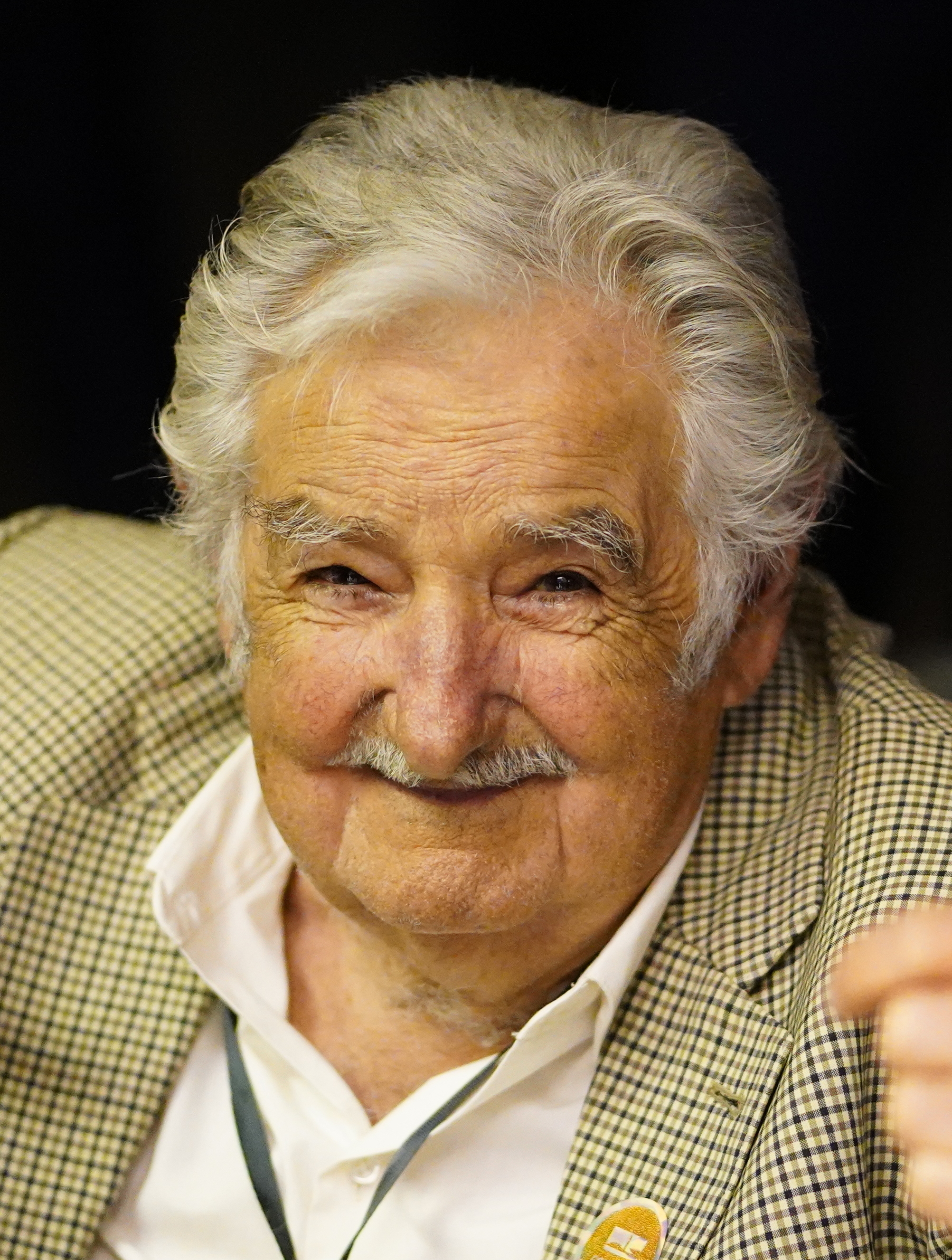
Third, something similar is happening now: opprobrious U.S. imperialism can be succeeded by something even worse. Yes, worse. “In 15 years, we will be missing the gringos,” José Mujica told the newspaper El País when asked about the advance of China (https://bit.ly/3mFnqiB). I quote the former Uruguayan president only because the progressives hold him in high esteem.
It is therefore very likely that history will repeat itself in the immediate future. Unless the peoples, particularly the native and black peoples, and the rebellious women, make decisions for themselves, put autonomy at the helm of command and resist both the decadent and the ascendant empires, the old bourgeoisies and those that are being formed.
About these, it is necessary to understand that they are interwoven with drug trafficking and the armed forces, giving rise to narco-military mafia ruling classes, because the “mode of production” has these characteristics. The export of illegal gold, with its tremendous social and environmental destructive logic, replaces drugs as the main export item in several countries of the continent.
Can anyone think that allying with such mafias can bring something positive to the peoples? From them we can only expect more femicides and genocides, not only because of the attitude of the rulers but because, structurally, the system works like this.
Finally, the exchange of hegemonies and currencies is hardly a window of opportunity for those at the bottom. Better, a narrow hatch that does not guarantee any progress and can be the repetition of genocides such as the occupation of Araucanía in Chile or the conquest of the desert in Argentina by the new bourgeoisies. It is no longer the right-left logic, but the below-above, that can provide emancipatory meanings.
Originally Published in Spanish by La Jornada, Friday, April 21, 2023, https://www.jornada.com.mx/2023/04/21/opinion/014a1pol and Re-Published with English interpretation by the Chiapas Support Committee
The Good Government Junta demands releasing Manuel Gómez, a prisoner in Ocosingo
By: Elio Henríquez, Correspondent
San Cristóbal de las Casas, Chiapas.
The Good Government Junta (JBG, its initials in Spanish) named “Rebel Thought of the Native Peoples” [1] demanded the release of Manuel Gómez Vázquez, support base of the Zapatista National Liberation Army (EZLN, Ejército Zapatista de Liberación Nacional), a prisoner “unjustly” in the Ocosingo state prison since December 2020, accused of murder.
In a communiqué it said about Gómez Vázquez that: “they are criminalizing him and inventing evidence to hold him a prisoner unjustly. They attack him for being Zapatista; it’s the truth, because for the bad governments being Zapatista is a crime that is punished with slander, persecution, prison and death.”
The Junta pointed out that “it has carried out a deep and true investigation of what took place and the result is that” Gómez Vázquez is innocent of the crime (homicide) of which he is unjustly accused.”
It stated that the official authorities of the El Censo ejido, municipality of Ocosingo, of which Manuel is a native, “know that what he is accused of is a lie, but they are afraid of saying so because they are threatened with death by the relatives of the killers who were burned.”
The Fray Bartolomé de Las Casas Human Rights Center (Frayba), explained that between December 4 and 5, 2020, in the El Censo ejido, “a series of violent acts took place that resulted in 4 people losing their lives.”

It added that after the acts, Manuel “was illegally arrested on December 4 by an armed civilian group and community authorities. He was tortured and received cruel, inhumane and degrading treatment. On December 5, 2020, he was delivered to the Secretariat of Municipal Public Security and investigative police of the Prosecutor for Indigenous Justice, an agency within the office of the State’s Attorney General (FGE).”
In a statement, it added that he was placed at the disposal of the Control Court and the Court of Prosecution of the Judicial District of Ocosingo until December 9, 2020.
It maintained that the Office of the Prosecutor for Indigenous Justice “did not carry out a diligent and scientific investigation, charging Manuel with homicide, who at the time of the events was at home with his family.”
It stressed that the indigenous man “is being judicially criminalized along with his family, for being part of the support bases of the EZLN, since the Prosecutor’s Office lacks the evidence to accuse him. To the contrary, he fabricated evidence in a way, since he does not present the alleged witnesses to testify, which has resulted in the Oral Trial hearing being postponed on two occasions.”
It assured that “there are no autopsies for the homicides and the Judicial Branch of the State has exceeded the preventive detention that in no case will exceed two years.”
[1] The Good Government Junta Rebel Thought of the Native Peoples is based in Nuevo Jerusalén, Caracol IX, which is not far from the Ocosingo prison and right across the road from a big military base.
Originally Published in Spanish by La Jornada, Tuesday, April 18, 2023, https://www.jornada.com.mx/notas/2023/04/18/estados/exige-jbg-liberar-a-indigena-manuel-gomez-preso-en-ocosingo/ and Re-Published with English interpretation by the Chiapas Support Committee
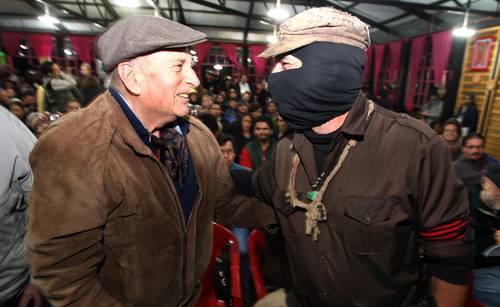
A giant named Pablo González Casanova
By: Luis Hernández Navarro
For years, every night before sleeping, the academic Pablo González Casanova [1] read poetry or theatre. From a very young age, as an inheritance from his father, he memorized some poems. With them, he fed his dreams and was a counterpoint to the social science concepts with which he worked during the day.
From this mixture emerged an original and powerful language for naming the world, in which the theoretical arsenal of various humanities, the most outstanding works of universal literature, the mathematical language and the infinite richness of life itself were creatively mixed. Like Karl Marx in Capital, he used mathematics – the goddess of science – as a method of reasoning and, later, as a tool to wrestle with the possible and the impossible.
Don Pablo: how do you work? How do your intellectual concerns arise? How do you make them? I asked him one morning, in the middle of a long interview in his cubicle at the Institute of Social Research of the UNAM, intrigued by his reflections on the confusion of peoples or the history of the use of lies in academia, as a form of mystification.
Smiling, he explained: “I have a very bad memory, although my old secretary told me that I have a good memory when I feel like it and for everything else, I have a bad memory. He probably didn’t lack some reason. I have a hard time remembering the names of people. But my associative memory is strong. That is the one that allows me to establish links and, in addition, corresponds to my training of a long time ago.”
And he added: “I have the most time to think when I’m shaving. It’s in the morning when I begin to establish bonds that I find attractive to continue thinking about them. It corresponds to information processes that come from different sources and that suddenly come together. That is the most frequent but not the only time.”
“No wonder you are always so clean-shaven,” I replied, laughing.
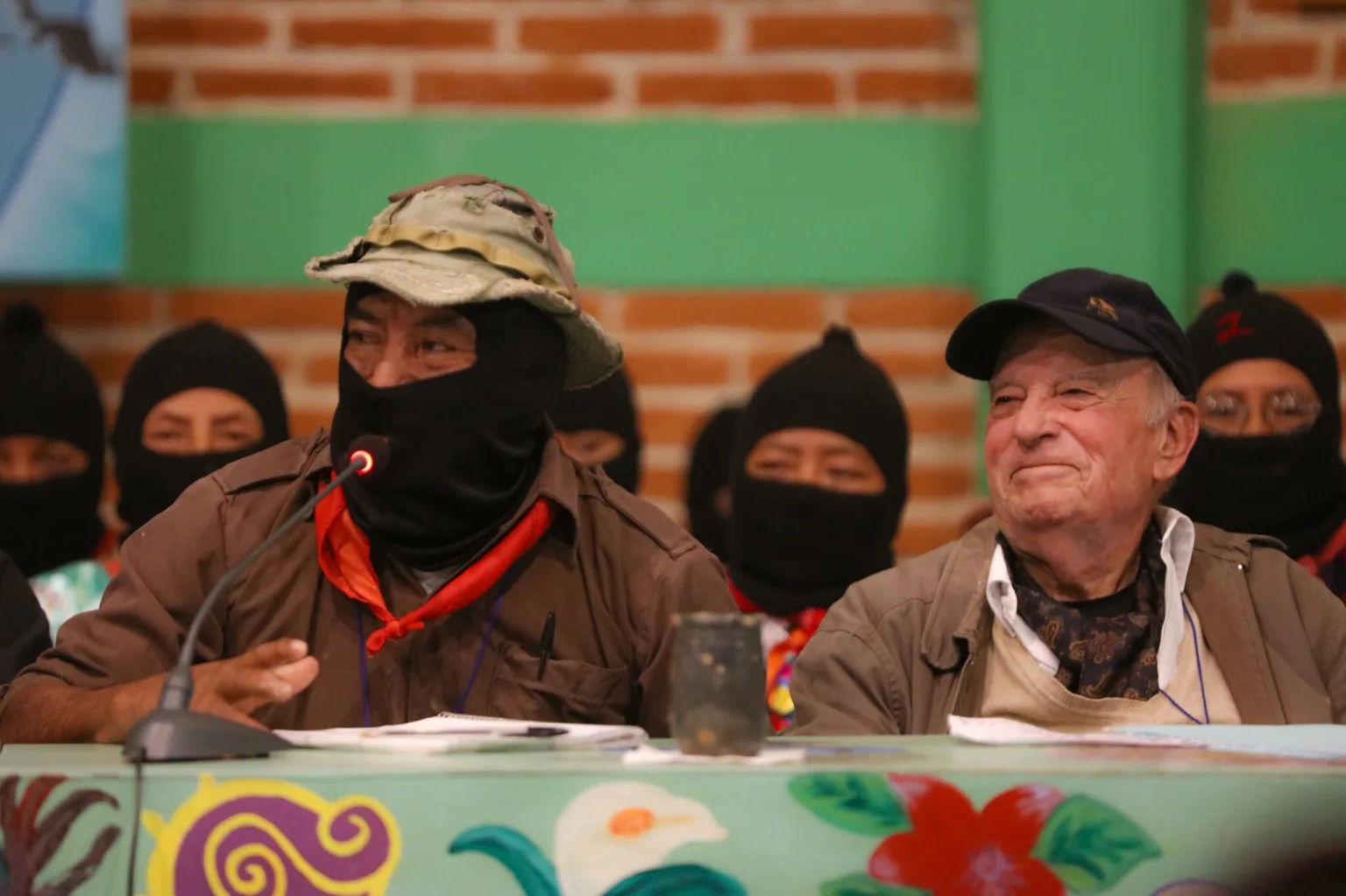
Author of 24 books, and coordinator, editor or director of another 32, in addition to countless academic articles, his work shows that those mornings in front of the mirror with the razor in his hand, were truly fruitful.
He never joined any political party, although while studying his postgraduate studies in Paris, he cherished the idea of joining the ranks of the French Communist Party. A man of ideas, but also of action, who navigated all his life in the turbulent waters of the left without capsizing in them, he defined himself as an organic intellectual of the university. In Latin America, he said, the university plays an extraordinary role. So much so, that he left the university, to a large extent, on July 26.
With Democracy in Mexico, don Pablo invented a new form of comprehending and studying the country. As Lorenzo Meyer has pointed out, the book is the first big general study of the contemporary political system made by a Mexican, from a Mexican and academic perspective. The work placed an agenda of investigation and a methodology for knowing the country at the center of the national debate.
He inaugurated lines of investigation and reflection on the national reality in force today, and established a key moment in the development of sociology: that of the full maturity of the social sciences and the end of the monopolies of foreign studies on the country.
When the work was published, Carlos Madrazo was president of the PRI. González Casanova integrated, with great imagination, American sociology with Marxism (whose essence, according to him, is the theory of exploitation), history and statistics. He reflected creatively on marginalization, internal colonialism, the dual societies, to analyze the relationship between modernization and democracy, and between economy and politics. He concluded that the lack of democracy produced by exploitation and internal colonialism prevented the country from moving towards representative democracy and development.
These same theoretical tools, which he continued to develop throughout his academic life, served to analyze South America and the Caribbean in a different way. They were a central tributary of the flowering of Latin American sociology, which, as Don Pablo told Claudio Albertani, is “one of the most original thoughts of our time, not only in the academic field, but in the political and revolutionary field.”
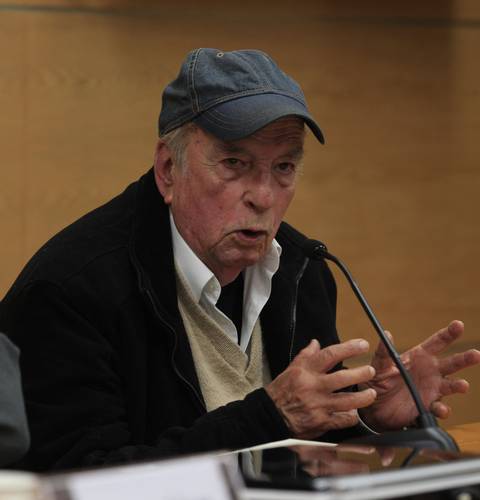
Together with thinkers such as Immanuel Wallerstein, Samir Amin and François Houtart, don Pablo also dedicated himself, looking from below, to building the appropriate instruments to read societies with the eyes of the oppressed. His work allowed assembling the theoretical puzzle to understand alter-globalism and the new national liberation struggles in Asia and Africa.
However, despite his enormous intellectual weight, González Casanova developed an extraordinary ability to listen with simplicity and patience to the simplest people. And he reaped something that very few intellectuals can boast of: speaking to a motley mass of social and political leaders belonging to the most diverse organizations, and getting them to listen to him quietly and with interest.
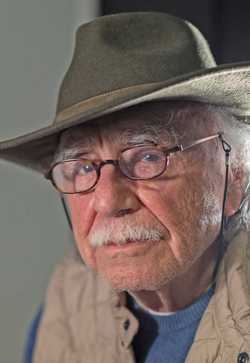
Convinced of the need for an independent press, he contributed time, energy and dedication to the founding of La Jornada. “I remember in dreams,” he wrote, “that night when several friends arrived. More than my memory, I was awakened by their dismay. They had just quit a newspaper that was becoming increasingly difficult to work for… When they told me of their resignation, I remember saying to them with some irresponsibility: And why don’t we start another one? It was one of those youthful rudeness that sometimes has real effects. They were thankful for the fact that in the group of founders would be Carlos Payán and Carmen Lira.”
At nightfall on February 29, 1984, more than 5,000 people gathered in a room of the Hotel de Mexico. It was the presentation in society of the project to found La Jornada. Don Pablo took the floor. “Because we are optimists we fight. Because we have hope in destiny, we are critical,” he said. And he concluded amid a long ovation: “We have decided to found a national society, which will carry out its tasks in the written press. The first task will be to found a daily newspaper.”
Since then, a close relationship has been established between the environment and the intellectual. His affection and admiration for Carmen Lira and La Jornada remained undiminished over the years.
Always committed to the struggle for democracy, independence and socialism, Don Pablo made defense of the Cuban revolution and vindication of José Martí’s thought one of the great causes of his life.
It wasn’t the only one. Another one was the struggle of the native peoples and Zapatismo. In 2017, Subcomandante Galeano presented him as a man of critical and independent thinking, who is never told what to say or how to think, but who is always on the side of the people. That is why, he explained, in some rebellious communities he is known as Pablo Contreras.
And at the height of that relationship, on April 21, 2018, González Casanova, 96 years old at the time, became Commander Pablo Contreras of the CCRI-EZLN. To be a Zapatista, Commander Tacho explained, you have to work and he has worked for the life of our peoples. He hasn’t tired, he hasn’t sold out, he hasn’t given up.
When, in 2018, at the presentation of one of his books, they asked don Pablo to share his recipe for reaching 96 with such intellectual strength, he responded: Struggling and loving. Participate. We are facing an unprecedented period in human history. Our struggle is no longer just for freedom, justice and democracy, it is in fact for life itself.
Faithful to the cause of the wretched of the earth, Pablo González Casanova explained that what is new in politics is to not be moderate, leftist or ultra. What is new is consistency. If there was something throughout the life of that giant known as Don Pablo, it was to be a coherent man.

[1] Pablo González Casanova died on April 18, 2023 at the age of 101. We thank him for his many contributions to critical thought and to love and struggle.

Originally Published in Spanish by La Jornada, Wednesday, April 19, 2023, https://www.jornada.com.mx/2023/04/19/opinion/004a1pol and Re-Published with English interpretation by the Chiapas Support Committee
They murder 3, set houses on fire and block streets in San Cristóbal
Bloody dispute between gangs of Motonetos
By: Elio Henríquez, Correspondent
San Cristóbal de las Casas, Chiapas
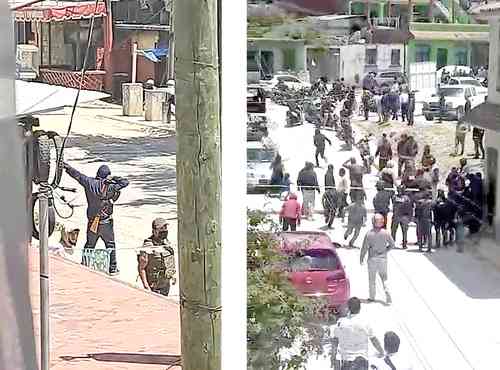
Yesterday, the city experienced an escalation of violence for eight hours, which started with the murder of Gerónimo Ruiz López, leader of a group of artisans, who are linked with gang members who move about on motorcycles, and are known as Motonetos.
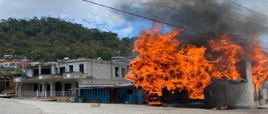
In the northeastern part of the city, there were three houses set on fire, blockades in some streets and the murder of two more people.
The violent acts committed by hooded men, as seen in videos circulated on social networks, caused panic among citizens and merchants who closed their businesses; The authorities decided to suspend classes on Monday in the schools located in the northeast zone and, by Tuesday, the majority were suspended.
Around 11 o’clock in the morning, subjects who were circulating on a motorcycle killed Gerónimo Ruiz López when he was getting off of his vehicle in the La Esperanza district in the city’s northeast.
Gerónimo Ruiz headed one of the groups of artisans who sell in front of the churches of Santo Domingo and Caridad, and was a cousin of Narciso Ruiz Sántiz, leader of the Association of Tenants of Traditional Markets of Chiapas (Almetrach).
The crime triggered a wave of violence that began with an exchange of gunfire between followers of the artisan leader and members of an opposing group, in the Ojo Agua neighborhood and the Santa Cruz neighborhood, adjacent to the municipality of Chamula.
In recordings that circulated on the networks, it is observed that several hooded individuals shoot with high-powered firearms towards the hill where the murderers of Gerónimo Ruiz allegedly live.
Subsequently, Ruiz’s followers blocked roads in Ojo de Agua, Peje de Oro and other towns in the northern zone, while firing shots that caused panic among the population.
Although the shooting and burning of homes occurred in the northern part of San Cristóbal de Las Casas, psychosis and anxiety spread to the center of the city, after reports circulated that there were shots fired in the José Castillo Tiélemans public market. Many businesses in that sector closed.
Later, the flames that consumed some houses on the hill, in the upper part of Ojo de Agua, adjacent to Chamula, were observed in the distance.
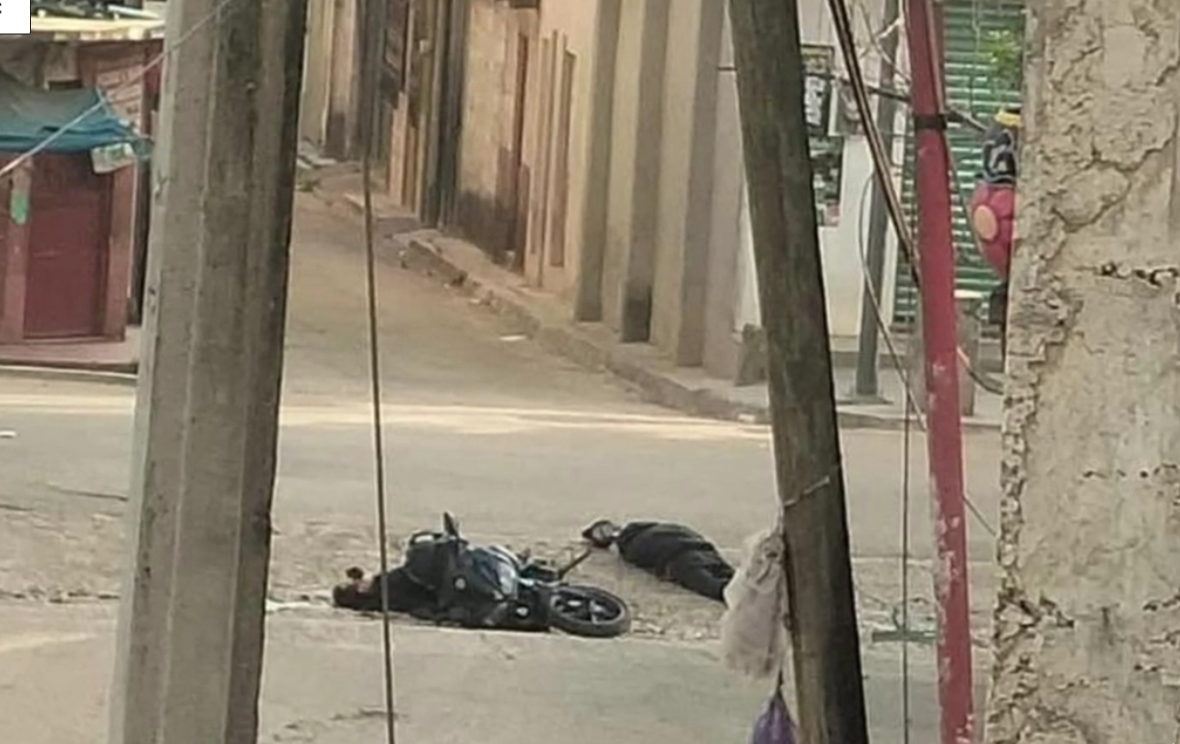
Official sources reported that José Alfredo Méndez Pérez and Luis Ricardo Gómez Pérez, 24 and 22 years old, respectively, were murdered in the afternoon, both members of the Almetrach, who were riding motorcycles.
Meanwhile, school directors informed parents of the suspension of classes to protect the physical integrity of the students of this colonial population, cataloged as a magical town of great tourist influx and declared in 2015 a Creative City in the category of crafts and popular art by the United Nations Educational, Scientific and Cultural Organization (Unesco).
Mayor Mariano Díaz Ochoa, who resigned from the Green Ecologist Party of Mexico a few weeks ago, reported that the Mexican Army, the National Guard and the state and municipal police began an operation, with the support of a helicopter, to try to arrest those responsible and those who fired shots into the air.
He said that “a sweep” would be made in neighborhoods in the northern zone to arrest the subjects who activated firearms from their homes or on public roads, “because we cannot allow this type of vandalism; we need the law to be enforced and the killers brought to justice.”
The State Secretariat of Public Security and Citizen Protection reported that “elements of the Inter-institutional Group maintain preventive and dissuasive patrols by land and air in order to strengthen security, peace and order in San Cristóbal de las Casas.”
In a statement, he reported that: “derived from violent acts reported on Monday, federal, state and municipal agents redoubled joint actions in this operation that seeks to inhibit any commission of crime in this municipality.”
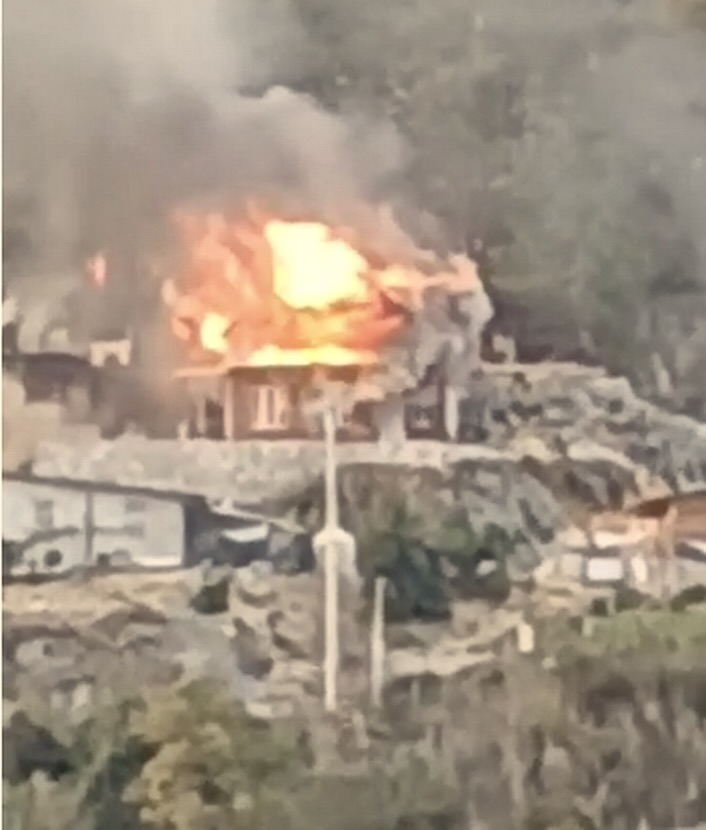
He indicated that: “security was strengthened with street tours, a deterrent presence and preventive air patrols, in order to inhibit the commission of any crime and guarantee the peace and tranquility of the population.”
The FGE reported that it initiated an investigation folder against whoever may be responsible for the crime of the aggravated homicide of Gerónimo Ruiz.
“After hearing the news, members of the Investigative Police went to Galilea and Jerusalem streets of the Los Nogales subdivision of San Cristóbal, where a Volkswagen vehicle, type GTI, red, with Chiapas license plates, and which presented bullet impacts, was seen,” he explained.
He maintained that “derived from this fact, armed subjects fired shots into the air in the city’s northeast zone, so elements of the FGE, in coordination with the Army, the National Guard, the State Preventive Police (PEP) and the San Cristóbal police implemented security and dissuasive devices to control the situation and guarantee the tranquility of citizens.”
The institution did not disclose the motives for the crime and only indicated that “it will continue with the corresponding investigations in accordance with homicide protocol, for the purpose of establishing responsibilities and that this deed, as well as no other goes unpunished.”
According to police sources, there are several groups of Scooters in San Cristobal de Las Casas. Narciso and Geronimo allegedly control the so-called Los Torres and Los Quesos. There are several groups linked to politicians and various organizations. Some have formed groups of Scooters with their own members and in some cases “rent” to groups of another gang. “It’s a phenomenon that has grown along with drug dealing, since that illegal branch maintains and hooks new members.”
In this context, human rights organizations denounced attacks against the activist Pascuala López, whose house was burned despite the fact that she has precautionary measures issued by the Inter-American Commission on Human Rights.
A La Jornada video of the violence is available in Spanish here.

Originally Published in Spanish by La Jornada, Tuesday, April 18. 2023, https://www.jornada.com.mx/2023/04/18/estados/028n1est and Re-Published with English interpretation by the Chiapas Support Committee
 Chiapas Support Committee